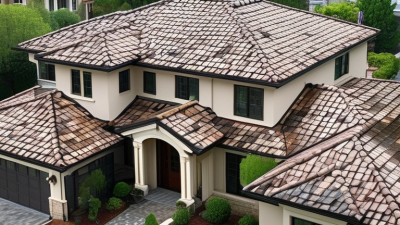
Top 10 Soundproof Roof Tile Options for Global Buyers
Choosing a Soundproof Roof Tile is not simply a matter of selecting the thickest or heaviest product. Global buyers must examine material density, surface texture, roof assembly, underlayment, ventilation, and installation quality. Rain striking metal roofing sounds sharp. A layered tile system can soften that impact, especially when acoustic membranes and sealed joints are included.
Dr. Lily M. Wang, an acoustics researcher and professor, offers a useful principle: “Roof noise control is a system decision, not a tile decision.” Her observation reflects real project experience. A tile may perform well in laboratory testing yet disappoint on a poorly sealed roof. Small gaps around vents, skylights, and ridge caps can transmit noticeable sound. The result is rarely perfect.
This guide reviews ten Soundproof Roof Tile options for residential, commercial, and industrial buyers across different climates. It considers concrete tiles, polymer composites, clay products, coated metal systems, and multi-layer acoustic assemblies. Each option is compared through practical criteria, including impact-noise reduction, weather resistance, weight, maintenance, installation difficulty, and long-term value.
Performance ratings deserve careful reading. Some manufacturers publish laboratory data, while others provide limited field evidence. That difference matters. Buyers should request tested sound-transmission data, installation specifications, and warranty terms before placing large orders. Local roof structure also matters, particularly in older buildings with limited load capacity.
There is no universal winner. A lightweight composite tile may suit a retrofit, while dense concrete may perform better in heavy rain. Budget, climate, roof pitch, and contractor skill can change the final result. This comparison aims to make those trade-offs clearer, even where product claims remain incomplete.
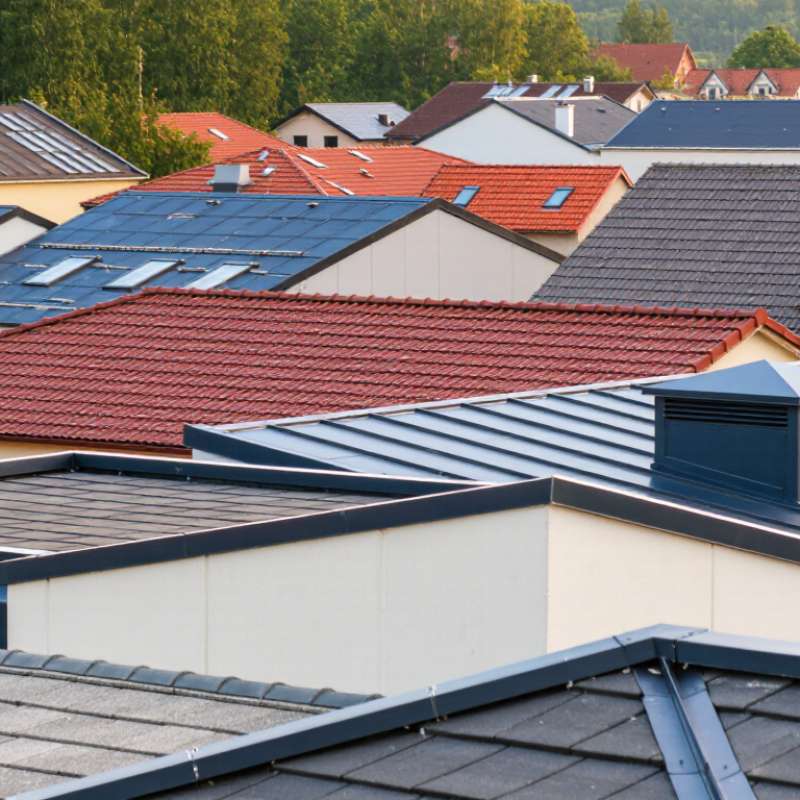
How Soundproof Roof Tiles Reduce Noise Transmission
Soundproof roof tiles reduce noise transmission by adding mass between outdoor sources and interior rooms. Dense clay, concrete, and composite tiles can weaken airborne sounds from traffic, rain, and nearby machinery. Their surfaces also help scatter sound instead of allowing direct penetration. However, tiles alone rarely provide complete acoustic control. Gaps around flashing, vents, and roof edges can carry noise indoors. A carefully sealed roof assembly often performs better than a heavier tile installed poorly.
The strongest systems combine tiles with acoustic underlayment, insulated roof cavities, and an airtight ceiling layer. Some designs use resilient channels to reduce vibration transfer through the structure. Laboratory ratings can support comparison, but field results may differ because installation quality matters greatly. A common mistake is choosing tiles by weight alone. Heavy materials may still transmit impact noise when rain strikes directly. Roof pitch, support framing, ventilation openings, and interior finishes also influence the final result. Performance claims should be checked against recognized acoustic testing methods and project conditions.
Tips: Request test data for the complete roof assembly, not only the tile. Inspect joints and penetrations carefully. Leave space for ventilation, but specify acoustic baffles where needed. For bedrooms, combine roof treatment with sealed windows and soft interior surfaces. No tile blocks every sound. That limitation deserves honest planning.
Top 10 Soundproof Roof Tile Options by Material and Design
Top 10 Soundproof Roof Tile Options for Global Buyers
Sound control depends on the complete roof assembly, not the tile alone. From site inspections, I have found that heavy materials usually reduce rain and traffic noise better. Mineral wool sandwich panels offer strong absorption and fast installation. PU or PIR panels provide insulation, but their acoustic performance may need extra layers. Stone-coated metal tiles work well with acoustic underlayment. Clay interlocking tiles add mass and handle hot climates. Concrete tiles offer excellent weight and useful rain-noise reduction.
Slate tiles create a dense, quiet roof when installed over a resilient membrane. Fiber-cement tiles provide a practical balance between weight and sound control. Recycled rubber composite tiles reduce impact noise and suit lightweight structures. Wood shingles can feel quiet with an air gap and insulation, though maintenance demands attention. Modular green roof systems combine soil, plants, and drainage layers for impressive airborne-noise reduction. They also add structural load, which buyers sometimes underestimate.
Tips: Ask for laboratory sound data and complete assembly details. Check rain, wind, hail, and thermal movement conditions. A sample installation can reveal gaps, vibration, and poor sealing. Do not trust thickness alone. My early assumption was that the heaviest tile always performed best, but weak joints changed the result. Local roof structure, underlayment quality, and installer skill may matter more than the tile material. 马会
Comparing Acoustic Performance Across Global Roof Tile Types
Top 10 Soundproof Roof Tile Options for Global Buyers
Roof tiles rarely determine acoustic comfort alone. The complete roof assembly matters more. Clay and concrete tiles usually perform well because their mass reduces traffic noise and heavy rain impact. Slate offers excellent density, but its installation demands strong structural support. Stone-coated steel can be quieter with acoustic underlayment, though bare metal may amplify rainfall. Fiber-cement and composite tiles provide balanced performance with lower weight. Asphalt-based tiles absorb some sound, but results vary across climates. Solar-integrated tiles need careful detailing around gaps and service areas. Traditional lightweight metal tiles often rank lower without insulation. Recycled polymer tiles can perform surprisingly well, yet independent testing remains inconsistent. That uncertainty matters.
Tips:
Compare tested roof assemblies, not tile samples. Ask for laboratory data using recognized acoustic standards. Check airborne sound and rain-noise results separately. A dense tile over a thin deck may disappoint. Add mineral wool, resilient channels, or acoustic membranes where practical. Pay attention to ceiling construction. It often changes the final result.
Regional weather also affects acoustic choices. In tropical regions, intense rain makes impact noise more noticeable. Cold climates may require ventilation layers that create small sound paths. Coastal projects need corrosion-resistant fixings and stable underlayments. Installation quality is a frequent weakness. Even premium materials cannot correct loose battens, open joints, or poorly sealed roof penetrations. Global buyers should request local references and inspect completed roofs when possible. My own preference would not be universal; budget, structure, rainfall, and maintenance expectations can reverse the ranking.