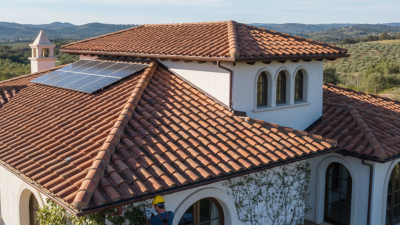
How to Choose the Best Tile Roof for Your Home?
Choosing the right tile roof for your home can be daunting. The options are vast, and each type has its unique benefits. According to roofing expert Sarah Jennings, “Selecting the perfect tile roof is about balancing style, durability, and budget.” Her insights underscore the importance of thorough research before making a decision.
A tile roof not only enhances your home’s aesthetic appeal but also offers durability that can last for decades. However, it’s crucial to consider climate and maintenance needs. For instance, heavier tiles may not be ideal in regions prone to earthquakes. Each factor plays a significant role in your choice.
As you explore your options, remember that a tile roof is an investment. Weigh cost against longevity and style. Analyze local regulations and weather conditions. Finding the best tile roof requires careful thought, not just impulse. This process can reveal surprising insights and unexpected challenges that may require your attention.
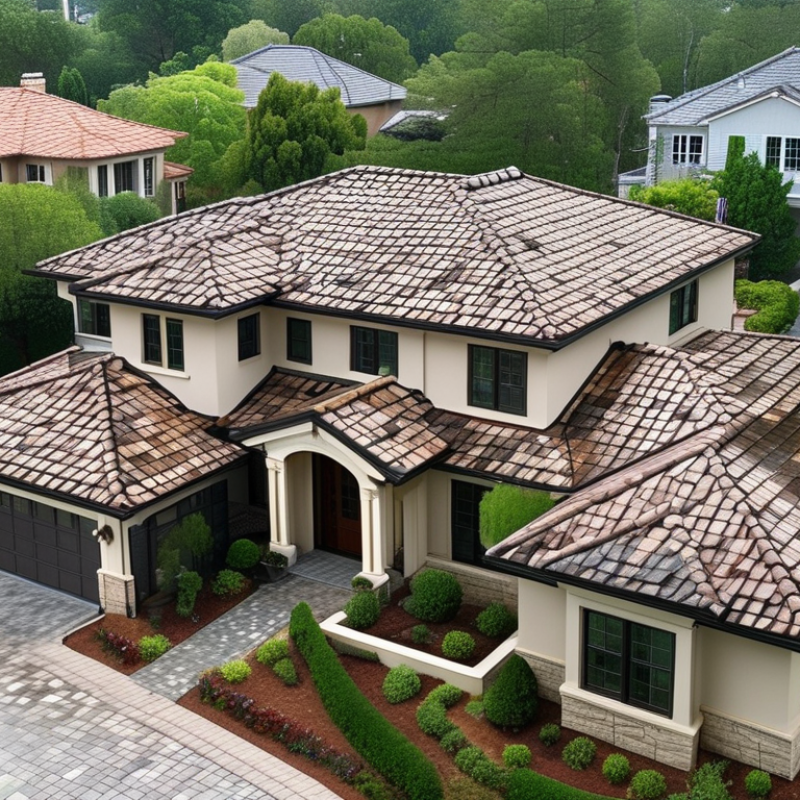
Understanding Different Types of Tile Roofing Materials
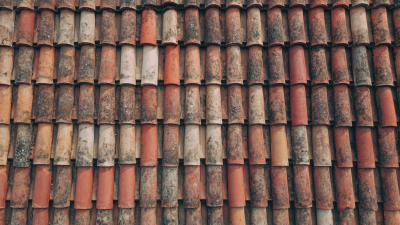
Tile roofing is an excellent choice for homeowners seeking durability and aesthetic appeal. However, different types of tile materials can impact both performance and price. Clay tiles, for example, boast longevity, often exceeding 100 years. Reports from the National Roofing Contractors Association indicate that clay tiles are resistant to moisture and offer superior insulation properties. This can lead to energy savings of 20%-30% over time.
Concrete tiles are another popular option. They provide a similar look to clay but can be more affordable. They're heavier, but the increased weight adds durability against high winds. According to the Tile Roofing Institute, concrete tiles can last up to 50 years. However, they require proper installation and maintenance. Improper setups can lead to leaks and reduced lifespan, which is an important factor to consider.
Slate tiles, while luxurious, can also pose challenges. Their weight requires strong roof structures. Though they last for over a century, installation costs can be significant. Studies show that slate roofs can have a return on investment (ROI) of nearly 90% based on increased home value. Yet, not all homes may justify the expense. Balancing aesthetics with practicality is essential when choosing the best tile roof for your home.
Comparative Analysis of Tile Roofing Materials
This chart illustrates the durability of various tile roofing materials over time. Each type of tile roof offers different lifespans, with slate tiles generally being the most durable option.
Evaluating Durability and Maintenance Needs of Tile Roofs
Evaluating the durability of tile roofs involves understanding the materials and climate. Tile roofs can last 50 years or more, making them a durable choice. They resist rot and pests, and some materials withstand high winds and hail. However, their durability can depend on proper installation and local weather conditions.
Maintenance is key in maximizing the lifespan of your tile roof. Regular inspections help identify cracks or loose tiles early. Cleaning debris off the roof prevents water retention that can cause damage. While tile roofs may require less frequent upkeep than other types, ignoring maintenance can lead to costly repairs.
Some homeowners may find the initial installation costs high. It's worth considering long-term savings through reduced maintenance and longevity. Understanding the balance between upfront costs and future needs is essential. This reflection helps ensure you choose the best tile roof for your home.
Assessing Aesthetic Options for Your Home's Tile Roof
Choosing the right tile for your roof involves more than function; it’s about aesthetic appeal. Tile roofs can enhance the beauty of your home. They come in various colors, textures, and shapes, allowing you to tailor your roof to complement your overall design. Think about how different tiles can reflect your personal style. For example, a rustic clay tile can give a Mediterranean vibe, while sleek concrete tiles might offer a modern aesthetic.
Pay attention to the texture of the tiles as well. A rougher texture can create depth and character, whereas smooth tiles can present a more refined appearance. Consider the architectural style of your home. Make sure the tile choice aligns with it. A mismatch can cause a sense of disconnection. Gathering samples can provide a better idea of how colors and textures work together. Don’t forget to think about the long-term effects of your choices, like fading or wear over time. Be realistic about maintenance as well; some materials require more care than others. It’s crucial to weigh these factors against your vision for your home.
Considering Climate and Weather Conditions for Tile Selection
When selecting a tile roof, understanding your local climate is crucial. Different materials perform differently under varying weather conditions. For instance, clay tiles can withstand high temperatures and resist fading. However, in freezing climates, they may crack due to thermal expansion.
Consider the rain patterns in your area. If you live in a region with heavy rainfall, look for tiles designed to channel water effectively. Slate tiles are often a good choice as they repel moisture. Avoid tiles that absorb water, as they can lead to mold growth and structural damage.
Tips: Always consult with a local roofing expert before making a decision. They understand how different materials behave in your specific weather conditions.
Regular maintenance is also vital. Check for wear and tear, especially after storms. A proactive approach can extend the life of your tile roof and keep your home safe.
Calculating Budget and Installation Costs for Tile Roofing
When considering tile roofing, budget and installation costs are key factors. The initial cost of tile roofs can be higher than other materials. However, their longevity often justifies the higher price. On average, installation costs can range from $7 to $15 per square foot, depending on local labor rates and roof complexity.
Tips: Obtain multiple quotes from contractors. This helps you compare prices and services. Don't overlook hidden fees, such as removal of old roofing or necessary repairs. It’s essential to have a clear understanding of the total project scope.
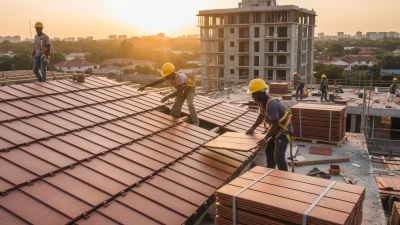
Tile roofs require special installation techniques, which can affect overall expenses. Accurate measurements of your roof's pitch, size, and accessibility are crucial. Complicated designs may increase costs and installation time. Homeowners should factor in potential repairs and maintenance down the line, as these too can impact budgets.
Tips: Regular inspections can prevent costly fixes later. Understand that some installations may lead to unexpected expenses. Always be prepared for adjustments in your budget as the project progresses. Investing in tile roofing can yield long-term savings, provided your budget is well-planned.