China Top Eco-Friendly Roof Sheets Trends and Innovations for Sustainable Living?
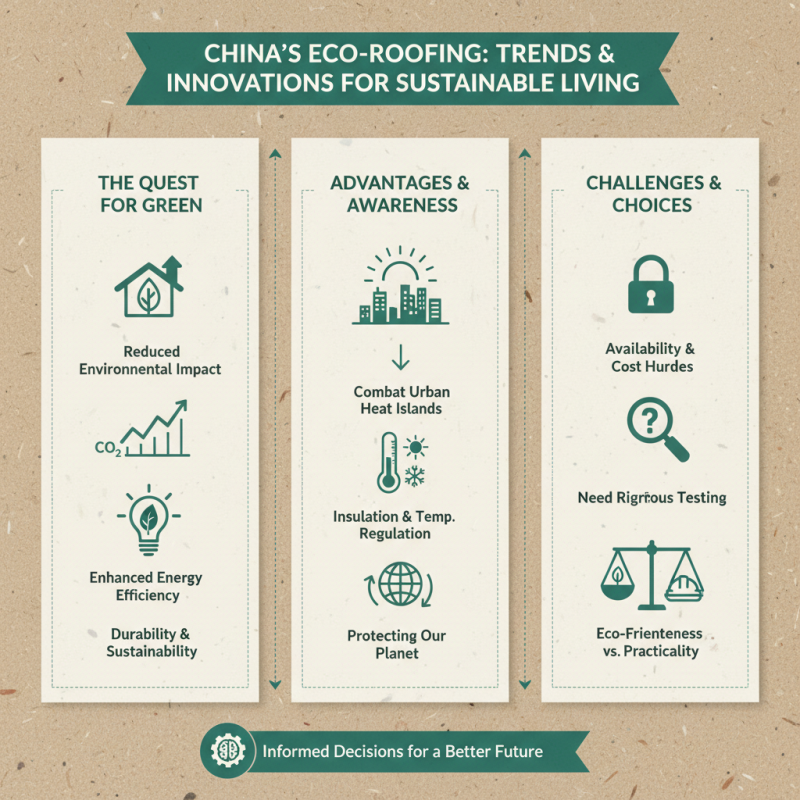
In the quest for sustainable living, Eco-Friendly Roof Sheets have emerged as a crucial innovation in China's building industry. These materials promise to reduce environmental impact while enhancing energy efficiency. Many homeowners and developers are now prioritizing green solutions. They seek not only durability but also sustainability in their building materials.
The rise of Eco-Friendly Roof Sheets reflects a growing awareness of environmental issues. Traditional roofing materials often contribute to urban heat islands and energy consumption. In contrast, eco-friendly options offer insulation benefits and help regulate building temperatures. This shift shows a commitment to protecting our planet while still meeting modern construction needs.
As this trend evolves, challenges remain. Availability and cost can hinder widespread adoption. Moreover, some products may lack rigorous testing for performance. It's essential for consumers to research options thoroughly. Balancing eco-friendliness with practicality is key for making educated choices in construction and renovation.
China's Growing Market for Eco-Friendly Roof Sheets: Key Statistics
China's eco-friendly roof sheets are quickly gaining traction in the construction industry. This trend highlights a growing awareness of sustainability. Statistics indicate that the market for these materials is expanding rapidly. By 2027, it's projected to reach a significant valuation. More builders are opting for environmentally friendly materials as global demand increases.
Adopting eco-friendly roof sheets offers numerous benefits. They enhance energy efficiency and reduce overall waste. Additionally, these sheets are often made from recycled materials. This aligns with China’s green initiatives. However, selecting the right product can be challenging. It is essential to research materials thoroughly before making a decision.
Tips: Consider local climate and regulations when choosing roof sheets. Look for certifications that validate the eco-friendliness of materials. Always consult with professionals who specialize in sustainable construction practices. Embracing eco-friendly technology can be a rewarding experience. Yet, ongoing maintenance and adjustments may be needed to maximize benefits.
China's Growing Market for Eco-Friendly Roof Sheets: Key Statistics
| Year |
Market Size (Billion USD) |
Growth Rate (%) |
Eco-Friendly Material Usage (%) |
Market Share by Material (%) |
| 2019 |
1.5 |
5.0 |
35 |
Composite: 45, Metal: 30, PVC: 25 |
| 2020 |
1.8 |
20.0 |
40 |
Composite: 47, Metal: 28, PVC: 25 |
| 2021 |
2.2 |
22.2 |
45 |
Composite: 50, Metal: 25, PVC: 25 |
| 2022 |
2.8 |
27.3 |
50 |
Composite: 55, Metal: 20, PVC: 25 |
| 2023 |
3.5 |
25.0 |
55 |
Composite: 60, Metal: 18, PVC: 22 |
Innovative Materials in Sustainable Roofing: Bamboo, Recycled Plastics
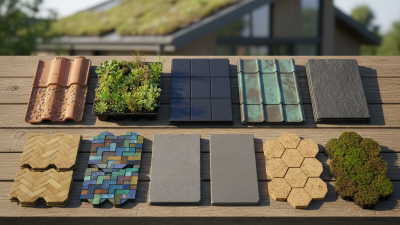
Innovative materials shape the future of sustainable roofing. Bamboo stands out as a strong, renewable resource. This plant grows rapidly and absorbs carbon. When processed correctly, bamboo sheets can provide durability. They withstand various weather conditions and have a unique aesthetic appeal. However, challenges include ensuring consistent quality and thickness, which can vary significantly.
Recycled plastics also play a crucial role. These materials come from waste, reducing landfill impact. They can be molded into sheets that mimic traditional roofing styles. Yet, the reliance on quality plastics is essential. Contaminated or low-grade plastics could compromise performance. Many manufacturers focus on improving recycling processes, but the industry still faces hurdles in quality control.
Both bamboo and recycled plastics offer great promise for eco-friendly roofing. Their potential lies in addressing environmental issues. Yet, careful consideration is needed. Standardization and quality assurance remain pivotal in making these options viable for all. As innovations continue, there is always room for improvement and reflection in sustainable practices.
Energy Efficiency Gains from Eco-Friendly Roof Sheets: Case Studies
Eco-friendly roof sheets are gaining traction in modern construction. These innovative materials often achieve higher energy efficiency compared to traditional options. They reflect sunlight and reduce heat absorption, which keeps buildings cooler in summer. This leads to lower air conditioning costs. Many case studies demonstrate significant energy savings. For example, some buildings report a 30% reduction in energy use.
Beyond just efficiency, the longevity of eco-friendly roof sheets is notable. They often last longer than conventional materials, reducing waste. However, some installations can be complex. Not all contractors have the expertise needed for proper setup. This can lead to improper sealing or insulation, diminishing potential gains.
Additionally, while many eco-friendly options are available, not every solution is suitable for all climates. Some materials handle heat well but struggle in colder regions. Understanding your local environment is essential. Potential users should research carefully. Selecting the right material can mean the difference in effectiveness.
The Role of Eco-Friendly Roof Sheets in Urban Heat Regulation
Eco-friendly roof sheets play a crucial role in regulating urban heat. Cities can become heat islands due to concrete and asphalt surfaces. Eco-friendly materials, such as reflective or green roofs, help mitigate this effect. They reflect sunlight, cooling buildings and reducing energy costs. Improved insulation from these roofs keeps homes comfortable.
Consider installing reflective roof sheets. They can lower air conditioning needs and create a cooler environment. Green roofs provide additional benefits, like rainwater absorption, which eases drainage systems. This innovative step can enhance urban resilience.
Do some research before making a decision. Not all eco-friendly options are created equal. Ask local experts about materials suitable for your area. Ensure your choice caters to your specific climate needs. This small effort can lead to significant changes in urban heat management.
Trends in Eco-Friendly Roof Sheets for Sustainable Living
This chart illustrates the adoption rates of various eco-friendly roof sheet technologies that contribute to sustainable living and urban heat regulation. The data indicates a growing trend towards recyclable materials and cool roof technologies, while solar roofs, green roofs, and low-emission materials are also gaining traction in urban areas.