Top 10 Eco-Friendly Roof Tiles for Sustainable Homes?
As homeowners increasingly seek sustainable solutions, the demand for Eco-Friendly Roof Tiles is growing. According to a recent industry report by the International Energy Agency, the roofing sector contributes significantly to energy consumption in buildings. Opting for eco-friendly materials can reduce this impact. Leading expert Dr. Alice Green notes, "The right roof tiles can lower energy costs and enhance home sustainability."
Many materials available today meet eco-friendly standards, including recycled content and natural options. Some tiles can even improve the energy efficiency of homes, as they reflect sunlight and provide better insulation. With approximately 40% of emissions coming from buildings, every sustainable choice matters. However, not all products marketed as eco-friendly live up to the claims.
Choosing Eco-Friendly Roof Tiles requires careful research. Evaluating certifications and sustainability ratings is essential. Homeowners can feel overwhelmed by options. It's crucial to look for products that balance aesthetics, durability, and environmental impact. In this evolving industry, finding reliable information can be challenging, making expert insights invaluable.
Understanding Eco-Friendly Roof Tiles: Key Characteristics
Eco-friendly roof tiles are gaining popularity among homeowners focused on sustainability. These tiles not only reduce environmental impact but also enhance energy efficiency. Made from natural materials like clay or slate, they provide durability. They can last up to a century with proper care. This longevity significantly lowers waste over time, making them a smart choice.
Another key aspect is insulation. Eco-friendly tiles offer improved thermal performance. In colder climates, they help retain heat. In warmer areas, they reflect sunlight and reduce the need for air conditioning. However, the initial investment can be high. Homeowners must consider their budget and long-term benefits.
Additionally, many eco-friendly tiles are sourced locally. This minimizes transportation emissions, further contributing to sustainability. The aesthetic appeal is another factor. Many tiles come in various colors and styles. They can complement different architectural designs, making them a versatile choice.
Top 10 Eco-Friendly Roof Tiles for Sustainable Homes
Materials Used in Sustainable Roof Tiles: An Overview
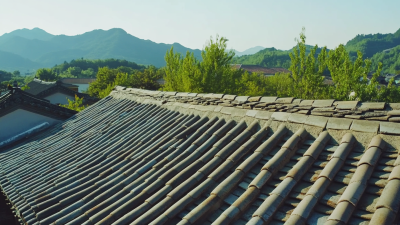
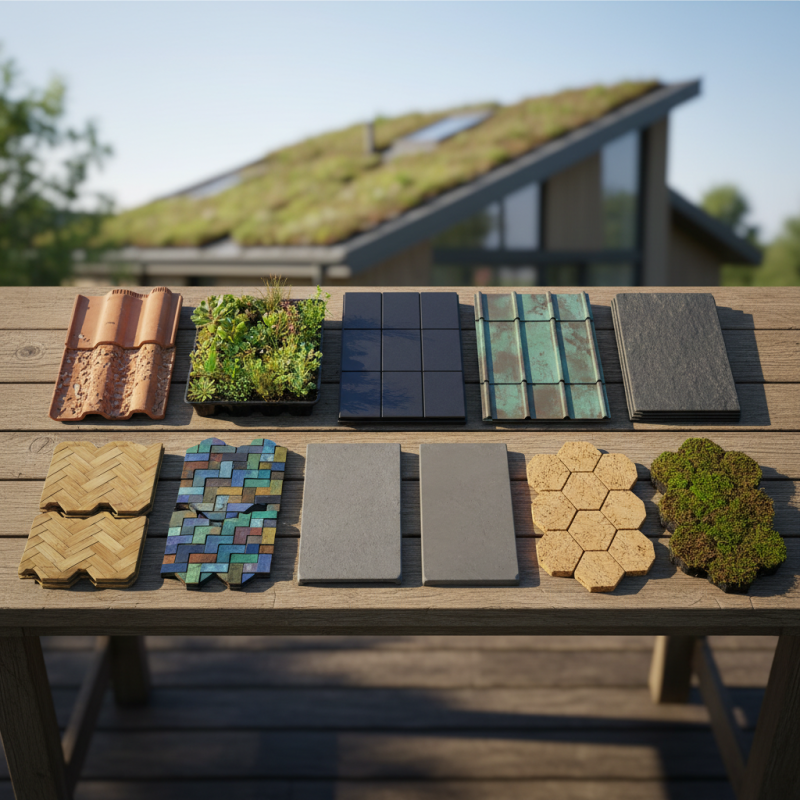
When choosing eco-friendly roof tiles, it’s vital to consider the materials used. Many sustainable roof tiles are made from clay, slate, or metal. These materials not only boast a long lifespan but also reduce environmental impact over time. Clay and slate have been used for centuries, providing durability and excellent weather resistance.
Recycled materials are becoming increasingly popular. Some tiles incorporate recycled rubber or plastics. These innovations minimize waste and promote a circular economy. Bamboo is another exciting option. It is renewable and can be harvested without damaging the plant. However, reliance on bamboo requires reflection on sourcing practices to ensure sustainability.
Additionally, consider the energy efficiency of the roof tiles. Some materials reflect sunlight, reducing heat absorption and lowering cooling costs. On the flip side, not all eco-friendly options perform equally in different climates. It's essential to assess local conditions and climate resilience. Every choice has advantages and drawbacks, prompting the need for careful evaluation in selecting the right materials for sustainable roofing.
Top 10 Eco-Friendly Roof Tiles for Sustainable Homes
| Tile Type |
Materials Used |
Recyclability |
Durability (Years) |
Energy Efficiency |
| Clay Tiles |
Natural Clay |
Yes |
50+ |
High |
| Slate Tiles |
Natural Slate Stone |
Yes |
75+ |
Medium |
| Recycled Rubber Tiles |
Recycled Rubber |
Yes |
30+ |
High |
| Wood Shingles |
Cedar, Pine |
Yes |
20-40 |
Medium |
| Metal Tiles |
Aluminum, Steel |
Yes |
50+ |
High |
| Concrete Tiles |
Sand, Cement |
Yes |
40+ |
Medium |
| Green Roof Systems |
Plants, Soil |
Yes |
Variable |
High |
| Solar Tiles |
Silicon |
Yes |
25-30 |
Very High |
| Thatch Tiles |
Grass, Reed |
Yes |
20-40 |
Medium |
| Synthetic Slate |
Polymer |
Yes |
50+ |
Medium |
Top 10 Eco-Friendly Roof Tiles for Sustainable Homes
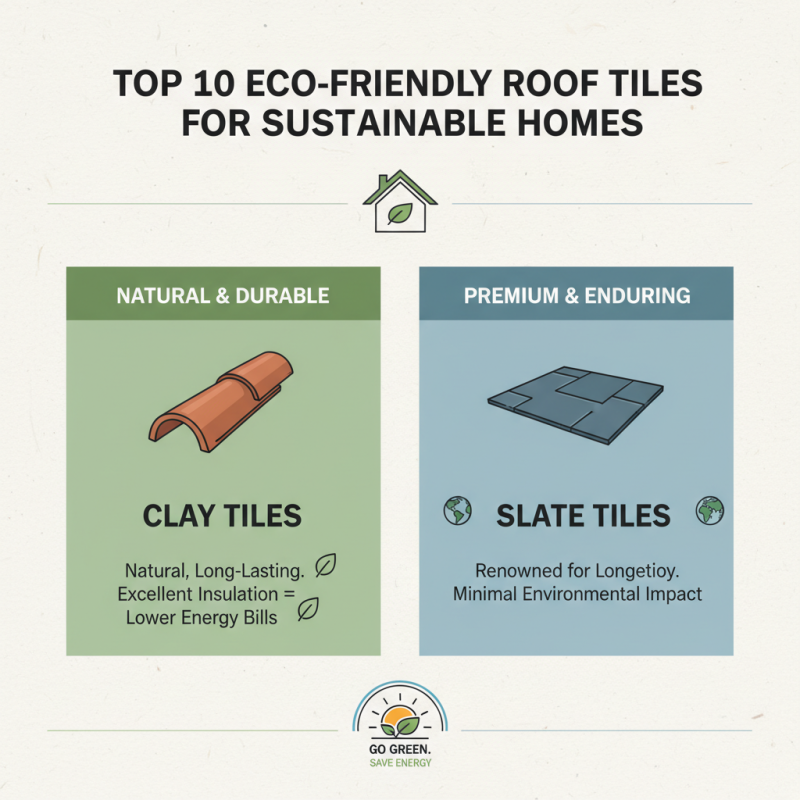
When choosing roof tiles for sustainable homes, eco-friendliness is key. Several materials offer durability and energy efficiency. Consider clay tiles, which are natural and incredibly long-lasting. They provide excellent insulation, reducing energy costs. Slate is another option, renowned for its longevity and minimal environmental impact.
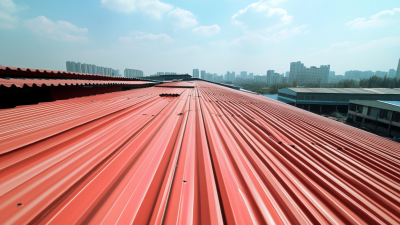
Metal tiles, like recycled steel, are highly recyclable. They reflect heat, keeping homes cooler in summer. This can lead to significant energy savings. Bamboo tiles are a newer option, showcasing a renewable resource that grows quickly. They’re lightweight and have a low carbon footprint.
**Tips:**
Make sure to assess local climate conditions. What works well in one area may not be suitable in another. Evaluate the lifecycle of materials. A tile may seem sustainable but could have hidden costs impacting the environment. Look for suppliers who prioritize sustainable practices.
Choosing eco-friendly roof tiles can be daunting. It's important to research local options and materials. Remember, investing in quality tiles can save money over time. The upfront cost may be high, but the long-term benefits are significant.
Comparative Analysis of Eco-Friendly Roof Tiles
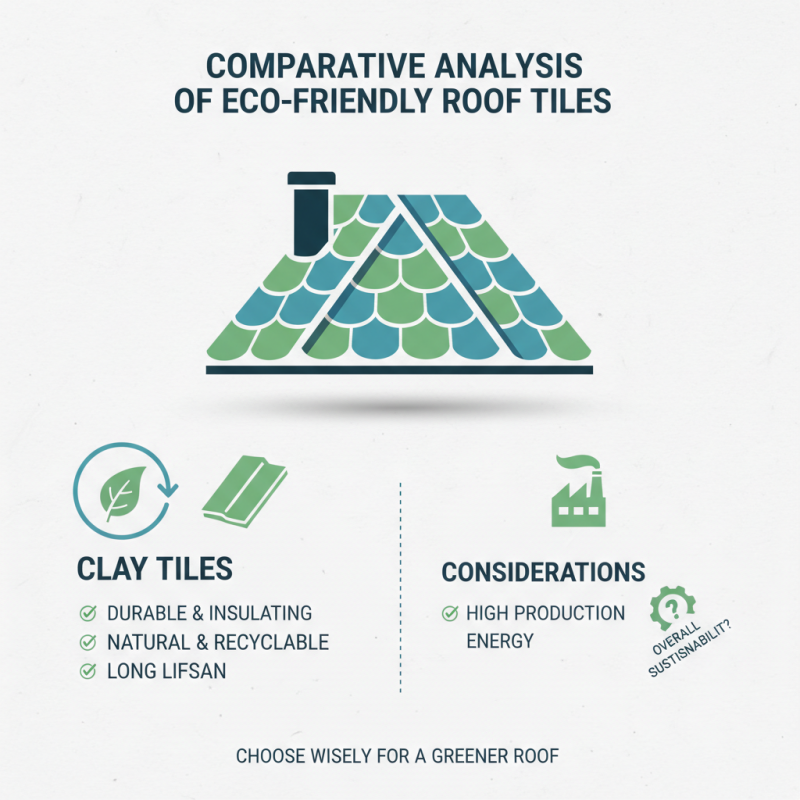
When selecting eco-friendly roof tiles, it’s essential to evaluate various materials. For instance, clay tiles are durable and provide excellent insulation. Their natural composition means they are fully recyclable. However, the energy required for production can be high, raising questions about their overall sustainability.
Another popular choice is concrete tiles. These are often made from recycled materials and have a long lifespan. They can mimic wood or slate. But, their weight can require additional structural support, complicating installation. Additionally, asphalt shingles can be made with recycled content, yet their lifespan is shorter, producing more waste over time.
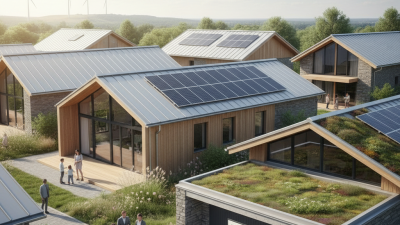
A new trend is the use of green roofs, which involve planting vegetation on top of traditional roofing. This approach supports biodiversity, but maintenance can be a challenge. Homeowners must consider local climate and water access. In the end, each option has its pros and cons. It's crucial to think deeply about individual circumstances when making your choice.
Benefits of Choosing Eco-Friendly Roof Tiles for Your Home
Choosing eco-friendly roof tiles can significantly benefit your home and the environment. These tiles often come from sustainable materials. Many options include recycled content, clay, or natural slate. By using them, you reduce your carbon footprint. They can also improve energy efficiency, keeping your home cooler in summer and warmer in winter.
When selecting eco-friendly tiles, consider durability. Some tiles can last over 50 years, reducing waste. Lightweight tiles often require less structural support, saving on building materials. Pay attention to local climate conditions. Some tiles perform better in specific environments.
Tips for choosing eco-friendly tiles:
1. Look for Energy Star ratings.
2. Explore local suppliers for sustainable options.
3. Research installation methods that minimize waste.
Making sustainable choices can be challenging. Options may vary by region. Understanding your local resources is crucial. Don’t hesitate to ask professionals for advice. Their expertise can help ensure you make the best choice for your home.