Why Choose Eco-Friendly Roofing Sheets for Your Next Project?
In today's construction landscape, the choice of materials can significantly impact both our environment and the longevity of buildings. Eco-Friendly Roofing Sheets have emerged as a sustainable alternative, capturing attention from both builders and homeowners. According to John Smith, a leading expert in sustainable construction, "Choosing eco-friendly materials is not just an option; it’s a responsibility."
These roofing sheets offer numerous benefits. They reduce energy costs, enhance insulation, and often utilize recycled materials. However, not all eco-friendly options are created equal. It's essential to research the materials and manufacturers properly. Some products may promise sustainability but fall short in performance.
Embracing Eco-Friendly Roofing Sheets requires a shift in mindset. Construction teams must prioritize quality and sustainability over conventional choices. Challenges arise when balancing cost, durability, and eco-friendliness. Although it's a growing trend, there's still skepticism in the industry about these materials. Awareness and education are key to making informed choices that benefit our planet and future generations.
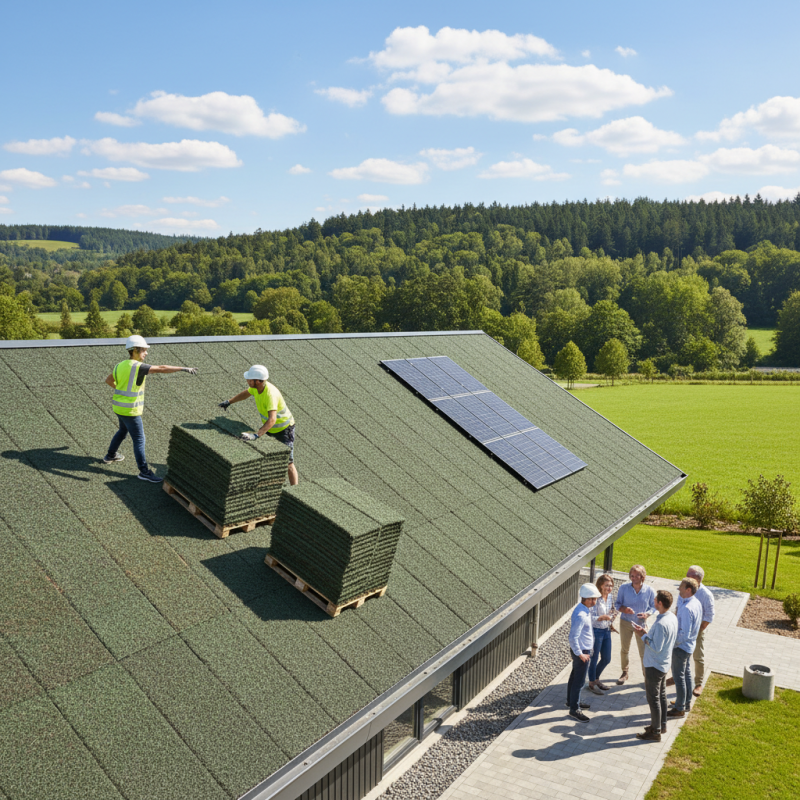
Benefits of Eco-Friendly Roofing Sheets for Sustainability
Eco-friendly roofing sheets offer several significant advantages. They contribute to sustainability and minimize environmental impact. According to a 2021 report by the Global Sustainability Institute, buildings account for nearly 39% of global carbon emissions. This highlights the urgency of opting for sustainable materials, such as eco-friendly roofing. Manufacturers often design these sheets from recycled or renewable resources, reducing landfill waste.
Moreover, energy-efficient roofing can lower energy consumption. A study from the National Renewable Energy Laboratory indicates that cool roofs can lead to a 10-15% reduction in cooling costs. Proper insulation also enhances energy conservation, which is critical as climate change accelerates. Conversations about eco-friendly materials often focus on performance; however, aesthetic considerations should not be overlooked. Many eco-friendly options mimic traditional materials without the environmental costs.
While the benefits are clear, challenges exist. Some may question the durability compared to conventional materials. The installation process might also require skilled labor, which can increase initial costs. It’s essential to weigh these factors against long-term savings and environmental benefit. Understanding these complexities fosters informed decision-making in the quest for sustainable building practices.
Benefits of Eco-Friendly Roofing Sheets for Sustainability
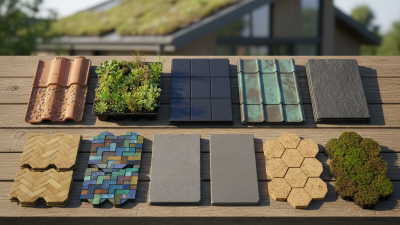
Types of Eco-Friendly Roofing Materials Available
Eco-friendly roofing materials are increasingly popular among
environmentally conscious builders.
There are several options available that cater to
sustainability and
energy efficiency.
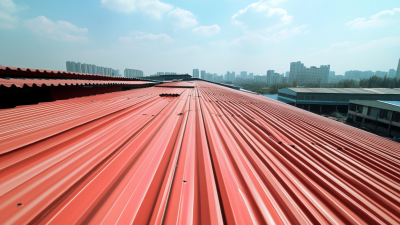
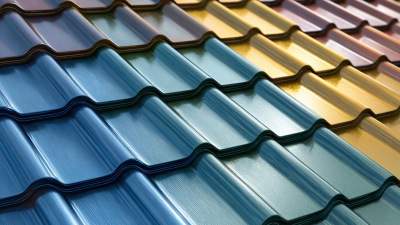
Metal roofing, for instance, is highly durable and recyclable.
According to a report by the Metal Construction Association,
steel roofs can reflect solar energy,
reducing cooling costs by up to 40%.
This makes metal a prime choice for eco-friendly projects.
Another viable option is rubber roofing,
made from recycled tires. This material is not only sustainable but offers
excellent weather resistance.
According to a study by the National Association of Home Builders,
rubber roofs can last over 50 years,
minimizing the need for replacements.
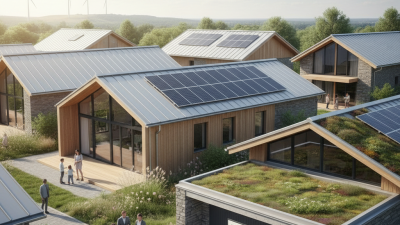
Additionally, some homeowners opt for
green roofs, which involve
installing soil and vegetation on rooftops.
This solution enhances
insulation and promotes
biodiversity, but it does require
regular maintenance and structural support.
Lastly, there’s the option of bamboo roofing.
Bamboo is a rapidly renewable resource, growing up to
91 cm a day. However, sourcing can sometimes
be inconsistent, which raises concerns about availability and quality.
It’s essential to consider these variables when choosing eco-friendly roofing
materials for your next project.
The right choice not only contributes to sustainability but can also lead
to long-term savings and energy efficiency.
Cost-Effectiveness of Eco-Friendly Roofing Solutions
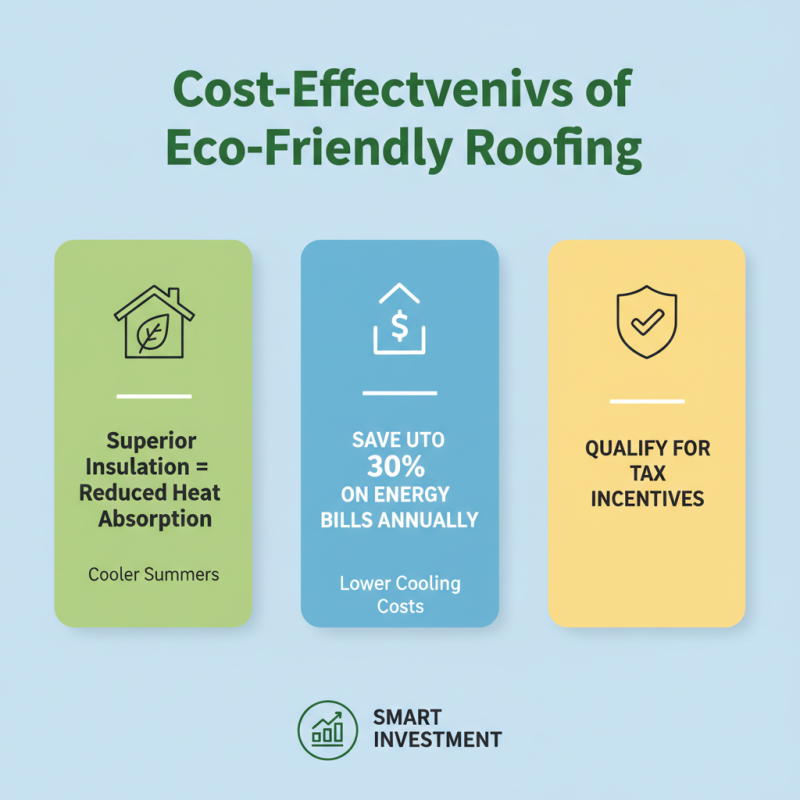
Eco-friendly roofing solutions are gaining traction due to their cost-effectiveness. Research shows that such materials can save homeowners up to 30% in energy costs annually. This savings is linked to their superior insulation properties. They reduce heat absorption, keeping homes cooler in the summer months. Additionally, many eco-friendly options also qualify for tax incentives.
Initial investments in eco-friendly roofing materials may seem high. However, their longevity is a crucial factor. For instance, metal roofs can last up to 50 years or more. In contrast, traditional roofs often require replacement every 20 years. This increased lifespan translates to lower long-term costs. It minimizes the frequency and expense of repairs and replacements.
Moreover, the growing market for sustainable building materials helps drive prices down. As more manufacturers enter the field, competition increases, making these roofing options more affordable. Studies indicate that eco-friendly roofs can add 10-15% to property value. This statistic reveals a significant return on investment, particularly over the long term. Investing in eco-friendly roofing is not just an ethical choice; it also makes financial sense. Yet, consumers should carefully consider their options and consult with experts to maximize benefits.
Impact of Eco-Friendly Roofing on Energy Efficiency
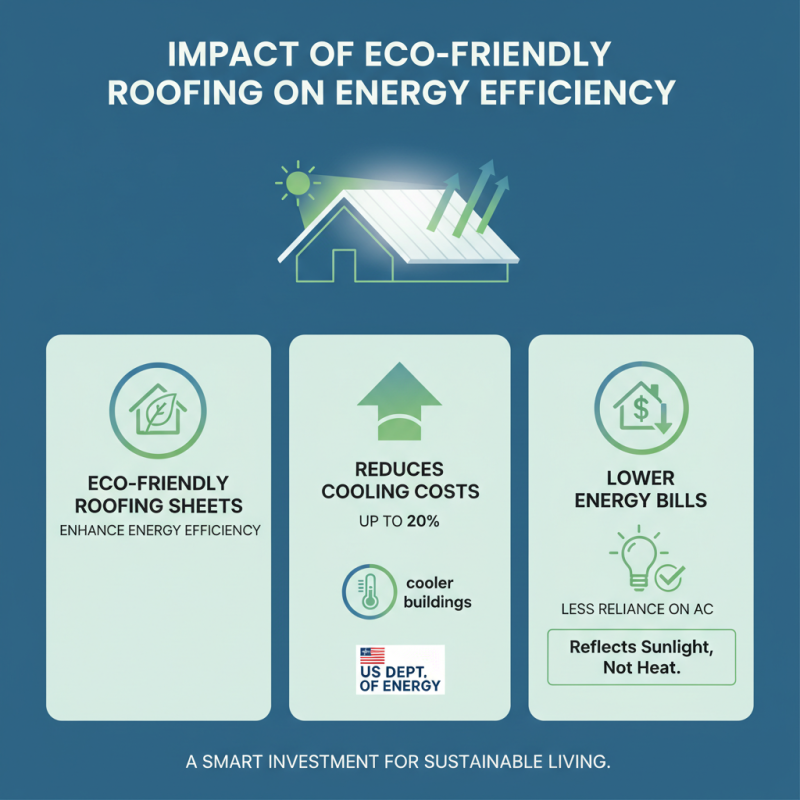
Eco-friendly roofing sheets significantly enhance energy efficiency in buildings. According to the U.S. Department of Energy, reflective roofing materials can reduce cooling energy costs by up to 20%. This improvement occurs because the roofing reflects sunlight rather than absorbing heat. As a result, buildings stay cooler, which reduces reliance on air conditioning. Many property owners report a substantial drop in energy bills after switching to eco-friendly options.
Moreover, the lifecycle impact is notable. A study from the National Renewable Energy Laboratory highlighted that eco-friendly materials can lower overall carbon emissions during manufacturing and installation. These materials often require less energy to produce. Choosing renewable resources, like recycled metals or sustainable wood products, minimizes environmental harm. Surprisingly, many sustainability-focused roofing options offer better durability, requiring less frequent replacements.
While the benefits are clear, some consumers hesitate due to the initial costs. The investment might seem high upfront. However, long-term savings on energy and maintenance often outweigh these initial expenses. A deeper analysis could help potential buyers see the broader financial and environmental benefits, aligning with their sustainability goals.
Installation Considerations for Eco-Friendly Roofing Systems
When considering eco-friendly roofing systems, installation requires careful planning. One must evaluate the roof’s slope and structural integrity. Understanding local climate conditions plays a crucial role. Rain and wind patterns directly influence the choice of materials and insulation methods. Ensure that chosen materials are suitable for local weather scenarios.
Another aspect to consider is insulation. Eco-friendly roofing materials often provide better thermal performance. While installing, check for proper sealing to prevent air leakage. Proper ventilation is vital to prolong the roof's life. It's easy to overlook, but inadequate ventilation can lead to moisture problems.
Lastly, working with skilled professionals is essential. They can navigate local building codes and regulations. Selecting a qualified installer can prevent costly mistakes. An experienced team can recommend solutions tailored to your specific needs. Reflecting on the installation process is important to ensure long-lasting benefits.
Why Choose Eco-Friendly Roofing Sheets for Your Next Project? - Installation Considerations for Eco-Friendly Roofing Systems
| Dimension |
Description |
Benefits |
Installation Considerations |
| Material Type |
Recycled metal sheets |
Environmentally sustainable |
Ensure proper insulation |
| Weight |
Lightweight |
Easier to install |
Check structural support |
| Energy Efficiency |
Reflective coatings |
Reduces cooling costs |
Consider local climate |
| Lifespan |
50+ years |
Long-term cost savings |
Plan for maintenance |
| Environmental Impact |
Low carbon footprint |
Supports sustainability |
Use certified products |