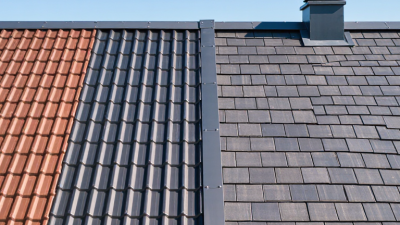
Why Choose Light Weight Roof Tiles for Your Project?
Choosing a roof is not just a color decision. It affects structural loading, installation planning, and how a home performs in changing weather. A Light Weight Roof Tile can reduce the dead load placed on rafters and supporting walls compared with heavier roofing options. That may matter during a reroof, especially when the existing structure has limited capacity. Still, “lightweight” is not a substitute for inspection: the roof deck, fasteners, and framing must be assessed for the specific product and site.
There is useful evidence behind the performance discussion. The U.S. Department of Energy’s Energy Saver guidance reports that cool roofs can be up to 50°F (about 28°C) cooler at the surface than conventional roofs under similar sunny conditions. That figure describes reflective roofing, not every lightweight tile, so product color and tested reflectance still matter. ASCE/SEI 7-22 also treats roof dead load and environmental loads as distinct design considerations. In practice, weight is only one part of a roof system; wind resistance, drainage, fire performance, and installation quality count too.
The details show up on site. A lighter tile can be easier to handle across a roof slope, but careless fastening can undo that advantage. Product specifications deserve a close read. So does the existing roof. This guide explores where Light Weight Roof Tile makes sense, what its limits are, and which questions homeowners and project teams should ask before choosing a system. A lighter roof can be a smart choice—but not automatically the right one.
What Are Lightweight Roof Tiles and How Do They Differ?
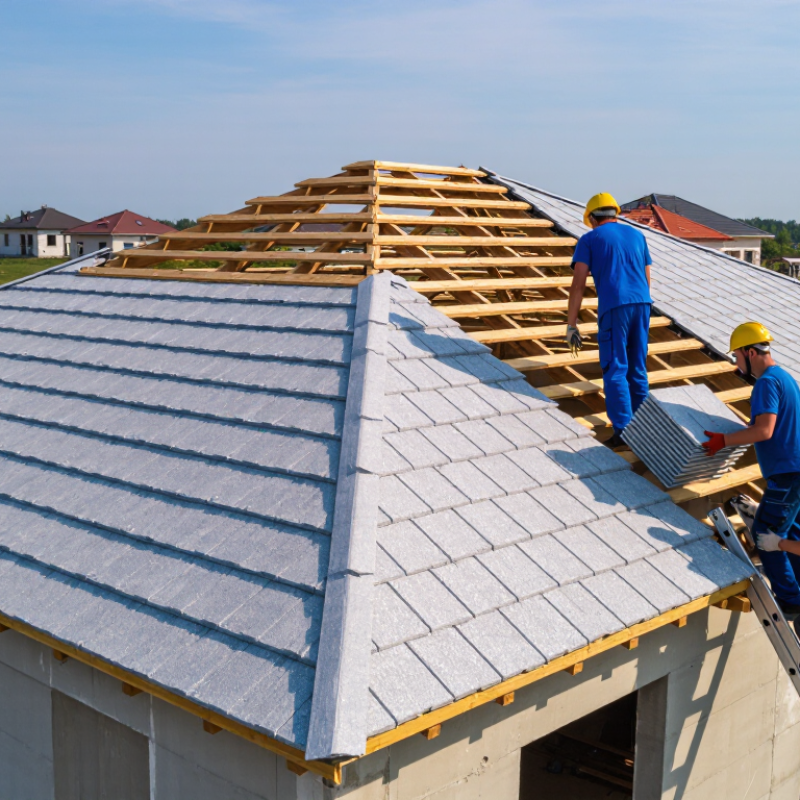
Lightweight roof tiles are roofing units designed to reduce the dead load placed on a building’s frame. They may use thinner profiles, lighter mineral blends, or engineered materials instead of dense clay or concrete. “Lightweight” has no single industry-wide definition, so compare the listed weight per square foot rather than relying on the label. Small detail, big difference.
The Tile Roofing Industry Alliance’s installation guidance places many conventional concrete tile systems at roughly 9–12 pounds per square foot. Lightweight alternatives can weigh less, but the exact figure depends on the tile and underlayment. Check the product’s technical sheet and include battens, fasteners, and any required decking in the total. A lower tile weight can ease handling on a steep roof and may reduce structural demands, but it does not automatically mean lower project cost. Existing rafters still need assessment.
The main difference is not appearance alone. Traditional clay and concrete tiles are dense, while lightweight versions may use modified concrete, metal, or composite materials. Their profiles can imitate familiar barrel or slate shapes, yet sound, fire performance, and weather resistance vary by construction. Ask for tested performance data, not just a sample tile. A sample feels reassuring, but it cannot show how the roof performs after years of wind and rain.
Why Choose Lightweight Roof Tiles?
Typical roof-covering weight varies by material and product. Lightweight options can reduce the load the roof covering places on the supporting structure.
Approximate typical ranges: lightweight metal roofing 3–7 kg/m², asphalt shingles 9–14 kg/m², clay tiles 35–50 kg/m², and concrete tiles 40–60 kg/m². Actual weights vary by product; check the manufacturer’s specifications and consult a qualified professional about structural requirements.
Which Materials and Designs Are Commonly Used?
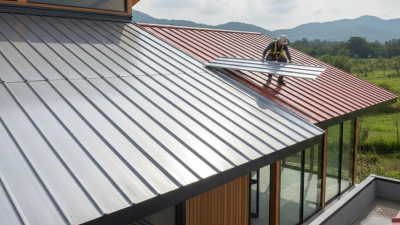
Lightweight roof tiles are made from several materials, each with a different feel and installation profile. Metal tiles, often formed from coated steel or aluminum, can imitate traditional shingles, slate, or clay. They are easy to handle on site, though rain may sound louder beneath them without suitable insulation. Concrete tiles use lightweight aggregates or thinner profiles to reduce weight. Their textured surfaces can look convincing, but color and finish may vary slightly between batches.
Composite tiles combine materials such as recycled polymers and mineral fillers. They can be molded to resemble wood shakes or slate, with less weight than many natural options. Check product specifications carefully: “lightweight” does not mean every roof structure can support them without review. An experienced roofing professional can assess the existing rafters, roof pitch, and local weather exposure. Small details matter.
Common designs include flat panels for clean, modern rooflines and profiled tiles with raised curves for a more familiar appearance. Interlocking edges help limit water entry, while overlapping profiles can create deeper shadow lines. On a sample board, a tile may look darker than it does across a sunlit roof. That is easy to overlook. Compare samples outdoors, and ask about edge trims, fasteners, and replacement availability before choosing a finish.
What Project Benefits Do Lightweight Roof Tiles Provide?
Lightweight roof tiles can reduce dead load, which matters when a project has limited structural capacity or a renovation must avoid major framing changes. The Tile Roofing Industry Alliance’s technical guidance gives typical concrete roof-tile weights of roughly 9–12 pounds per square foot; lighter systems can weigh less, depending on the product. Check the actual product data and have a qualified professional verify the roof structure. A lower tile weight is not a structural approval.
Less weight can also make handling and staging easier. Crews may move fewer heavy loads across a roof, while delivery planning can become simpler. That can help on tight sites with narrow access or limited lifting equipment. Still, tiles need careful handling. Lightweight does not mean indestructible.
Project benefits depend on the full roof assembly. Underlayment, fasteners, wind exposure, roof pitch, and local design requirements all matter. A lighter tile may reduce one load, but it will not automatically lower labor costs or improve energy performance. Energy savings depend more on insulation, ventilation, and surface reflectance; the U.S. Department of Energy’s cool-roof guidance emphasizes reflectance and thermal emittance. Worth checking. Compare technical data, installation requirements, and structural advice before choosing.
What Factors Should Guide Your Tile Selection?
Why Choose Light Weight Roof Tiles for Your Project?
Tile selection should begin with the roof structure, not the color sample. A lighter tile may reduce the load on rafters, but the full assembly still matters: underlayment, battens, fasteners, and expected snow loads all add weight. Have a qualified professional check the roof’s capacity before choosing a product. The Tile Roofing Industry Alliance’s technical guidance shows that tile weights vary widely by material and profile, so “lightweight” is not a substitute for a product-specific weight rating. Small differences add up across a whole roof.
Climate and roof design matter, too. Check the manufacturer’s minimum slope, wind-resistance data, fire classification, and maintenance requirements. In hot regions, surface reflectance may be useful: the U.S. Department of Energy’s Energy Saver guidance notes that a cool roof can stay up to 50°F cooler than a conventional roof under comparable conditions. That figure describes the roof surface, not guaranteed indoor savings. Shade, ventilation, insulation, and local weather affect results. And a lighter tile is not automatically the better choice; appearance and availability can also sway decisions.
Tips: Ask for the tested weight per square foot, including accessories. Compare it with your roof’s verified load capacity, then review local snow and wind exposure. If the paperwork is unclear, pause and ask an experienced roofer to interpret it before ordering.