What is the Tile Roof Cost in 2026 for Global Buyers?
As global buyers prepare for the upcoming years, understanding the "Tile Roof Cost" is crucial. Experts like John Anderson, a leading roofing consultant, emphasize the significance of planning ahead. He states, "Anticipating costs can prevent unexpected financial burdens."
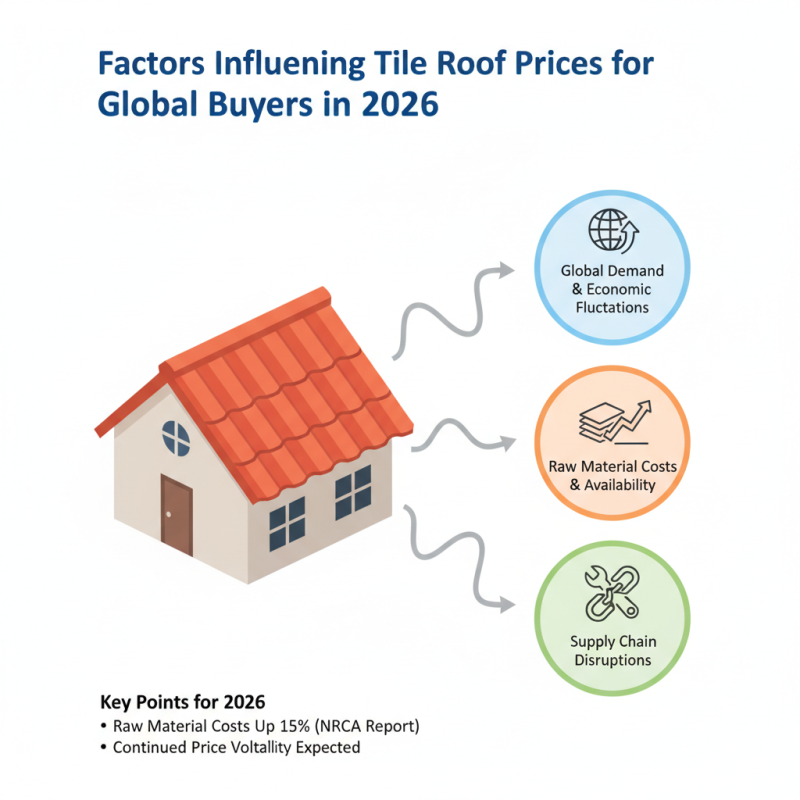
In 2026, factors such as material availability and labor rates will heavily influence tile roof expenses. Buyers should consider local market trends that could affect these prices. Rising demand for eco-friendly roofing solutions could also shift the cost landscape.
Many homeowners still underestimate the long-term savings that come with investing in quality tile roofs. While the initial outlay may seem high, durability and energy efficiency often offset those expenses. Yet, some buyers may face uncertainty; miscalculating their budgets could lead to financial strain when unexpected costs arise.
Overview of Tile Roof Materials and Their Costs in 2026
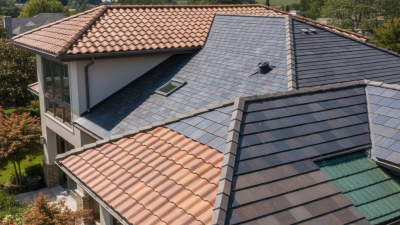
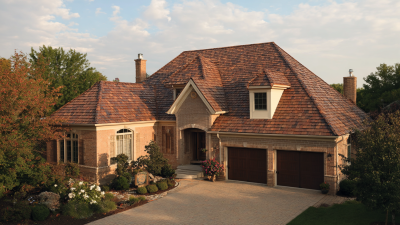
Tile roofing offers durability and aesthetic appeal, making it a popular choice among homeowners. In 2026, global buyers can expect varying costs for different tile materials. Clay, concrete, and slate are the primary options. Each type has unique benefits and price points. Clay tiles, known for their longevity, generally cost more upfront. In contrast, concrete tiles are often more economical but may have a shorter lifespan. Slate tiles, while beautiful, can be quite expensive.
The cost of installation is another crucial factor. Professional installation is essential for proper function and durability. In 2026, labor costs may increase due to demand. Accessibility also plays a role. Homes located in hard-to-reach areas might incur higher installation fees. Additionally, climate can impact tile longevity and maintenance needs. Warmer climates may cause tiles to fade over time, leading to potential replacements.
Buyers must consider long-term value versus initial costs. Investing in energy-efficient tile options could yield savings. Homeowners should also evaluate local building codes or community requirements. Staying informed about market trends is vital. It helps ensure they make educated decisions that suit their budgets and needs.
Comparing Installation Costs of Tile Roofs Across Different Regions
As global demand for tile roofs rises, installation costs vary significantly across regions. In North America, the average installation cost can exceed $10 per square foot, emphasizing the high labor rates and material costs. Alternatively, in parts of Asia, costs can be as low as $6 per square foot due to lower labor expenses and regional sourcing of materials. These differences reflect both economic conditions and local construction standards.
The cost of tile roofs is influenced by various factors, including local regulations and climate. For instance, in regions prone to severe weather, homeowners might invest more in durable tiles. A recent industry report indicates that durable clay tiles can last over 50 years, justifying their higher upfront cost compared to traditional asphalt shingles. However, not all buyers prioritize longevity. Some may overlook long-term savings for initial affordability, leading to frequent replacements.
Understanding regional pricing trends is essential for buyers. It is crucial to consider installation expertise, as costs may not always reflect quality. Hiring qualified contractors could mean an additional expense. If not weighed carefully, buyers might end up with unexpected overall costs. Thus, meticulous planning is key to making informed decisions regarding tile roof installations.
Future Trends in Tile Roof Design and Cost Projections for 2026
The tile roof market is evolving rapidly. By 2026, costs will reflect the growing demand for sustainable materials. According to a recent report from ResearchAndMarkets, tile roof prices may increase by 6% annually. This is driven by advancements in manufacturing and design.
Future trends indicate a shift towards lighter tiles. These innovations can improve energy efficiency. A study by the Building Research Establishment highlighted that lighter tiles can reduce cooling costs by up to 15%. Homeowners and builders will likely prioritize these benefits for cost-effective solutions.
While aesthetics remain important, durability is also key. New materials enhance strength and longevity. However, some consumers may struggle with the initial investment. It’s essential to balance upfront costs with long-term savings. As preferences shift, understanding these dynamics will be crucial for global buyers in 2026.
What is the Tile Roof Cost in 2026 for Global Buyers?
| Region |
Average Cost per Sq. Ft. (USD) |
Common Materials |
Expected Market Growth (%) |
| North America |
$7.50 |
Clay, Concrete |
5% |
| Europe |
$10.00 |
Clay, Slate |
3% |
| Asia-Pacific |
$5.00 |
Concrete, Terracotta |
7% |
| Latin America |
$6.00 |
Clay, Fiber-Cement |
4% |
| Middle East & Africa |
$8.00 |
Clay, Concrete |
6% |
Budgeting for Tile Roof Maintenance and Lifespan Considerations in 2026
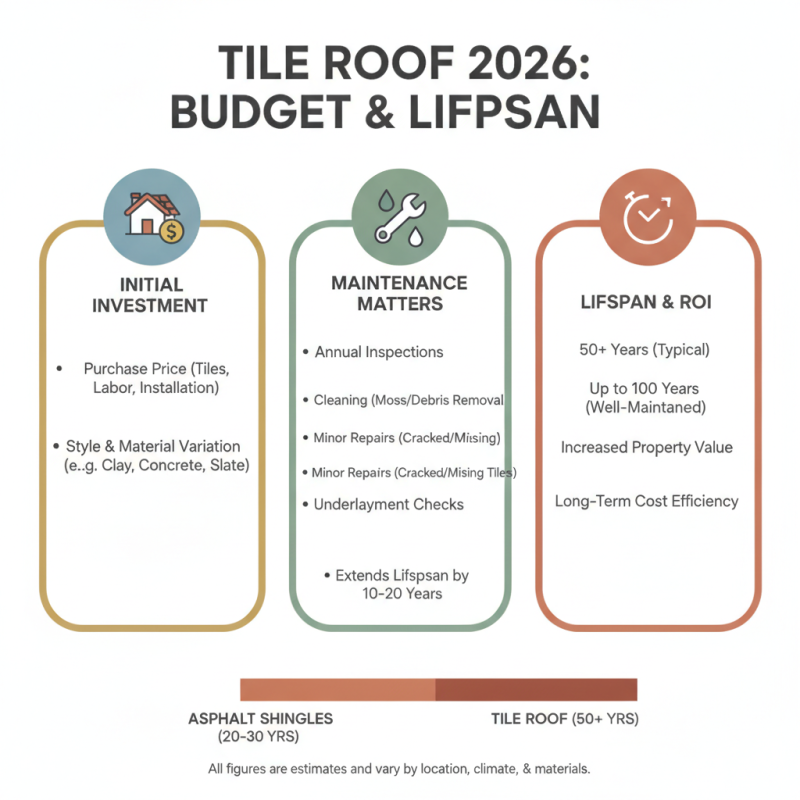
Tile roofs are a popular choice due to their durability and aesthetic appeal. In 2026, global buyers must consider not just the purchase price but also maintenance costs. Studies suggest that tile roofs can last over 50 years, making them a long-term investment. However, regular maintenance is crucial to extend their lifespan.
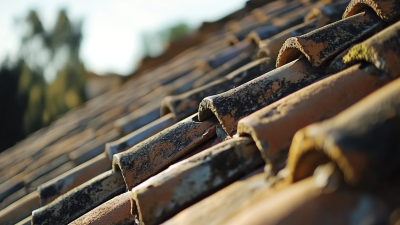
Maintenance expenses can vary significantly. Reports indicate that homeowners may spend about $500 to $1,500 annually on upkeep. This includes inspecting for cracks, cleaning debris, and checking for leaks. Neglecting these tasks can lead to costly repairs down the road. Roof tiles can break or loosen with age and weather exposure. Prompt repairs can prevent more extensive damage.
Furthermore, regional climates play a role in maintenance needs. Areas with heavy rain may require more frequent inspections. Homeowners should also factor in potential roof replacements every few decades. A thorough budgeting plan is essential for future costs. These considerations can ensure that the tile roof remains an effective barrier against the elements.