How to Choose the Best Residential Roof Tiles for Your Home?
Choosing the right residential roof tiles is crucial for any homeowner. Expert architect Sarah Thompson emphasizes, "The right tiles can enhance the beauty and durability of your home." Her insight underscores the importance of making informed decisions in this area.
Residential roof tiles come in various materials, styles, and colors. Each option presents its advantages and drawbacks. For instance, clay tiles are aesthetically pleasing but may require additional structural support. On the other hand, asphalt shingles are cost-effective but may not last as long. Therefore, homeowners should carefully assess their needs.
It's also vital to consider local climate conditions. Some materials perform better in extreme weather. Understanding these factors can prevent potential issues down the line. The choices can feel overwhelming. It’s essential to reflect on what aligns best with your home's design and your budget. In this process, seeking advice from professionals can be a game changer.
Factors to Consider When Choosing Roof Tiles for Residential Homes
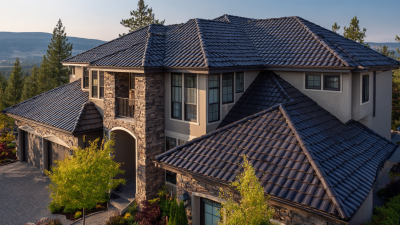
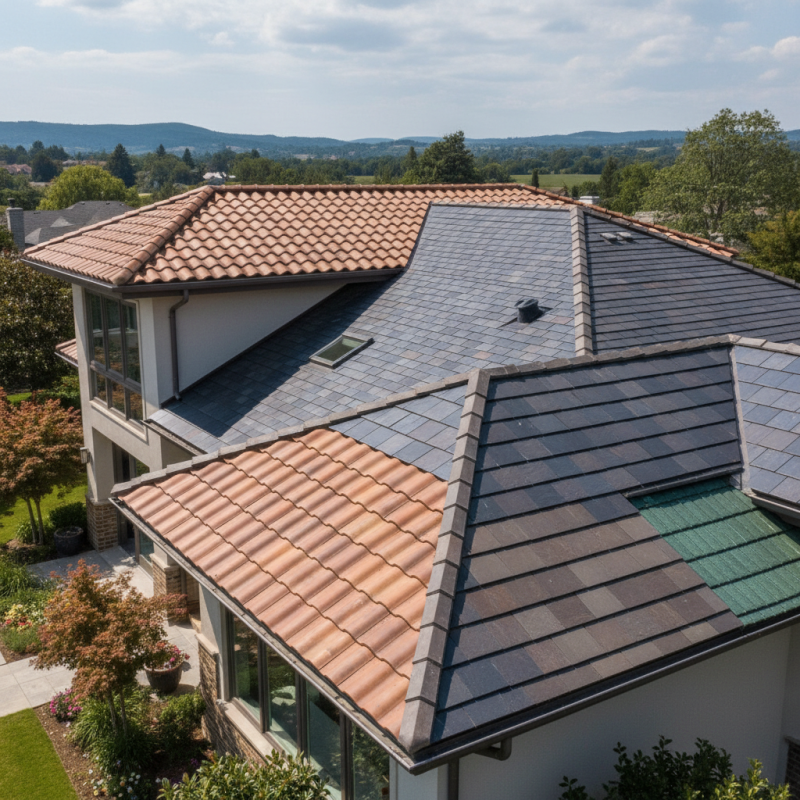
Choosing the right roof tiles for your residential home is crucial. Many factors come into play. Aesthetic appeal is important. Consider the color and style that matches your house design. For instance, warm tones can complement a rustic home. On the other hand, sleek tiles suit modern architecture well.
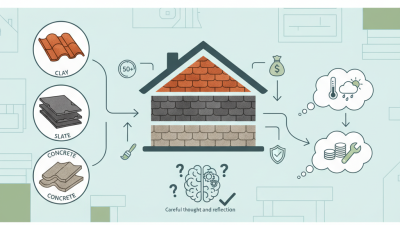
Durability is another key factor. Roof tiles should withstand severe weather conditions. Look for materials that offer longevity and require minimal maintenance. Clay, slate, and concrete are excellent options. Each has unique benefits. Clay tiles resist moisture, while slate offers beauty and strength.
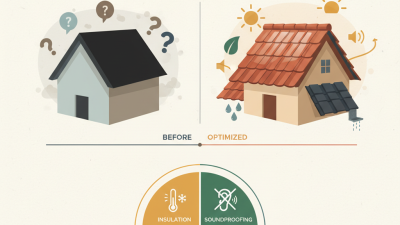
Tips: Always check for warranties. This can indicate the manufacturer's confidence in their product. Also, consult with local experts. They understand the climate and regional demands better. It's wise to consider insulation properties too. Some tiles can enhance energy efficiency, saving costs in the long run. Remember, your choice impacts not only the structure but also your comfort.
Factors to Consider When Choosing Roof Tiles for Residential Homes
Types of Roof Tiles: Pros and Cons of Each Material
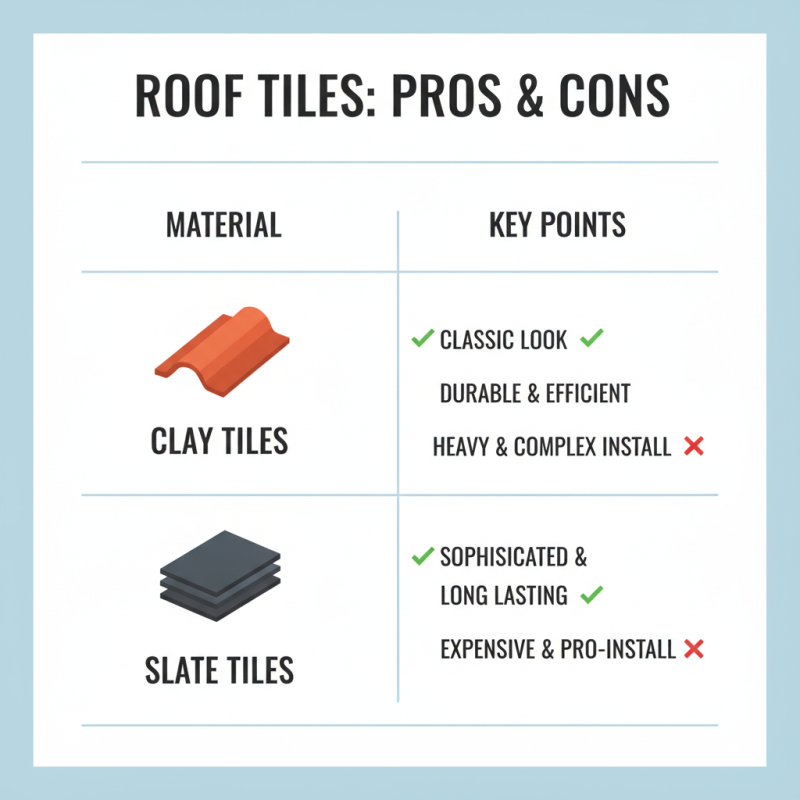
When considering roof tiles, several materials stand out, each with its own benefits and drawbacks. Clay tiles are popular for their classic look. They are durable and energy-efficient but can be heavy. Installation requires a sturdy framework. Slate tiles are another option; they offer a sophisticated appearance and long lifespan. However, slate can be quite expensive and may require professionals for installation.
Concrete tiles are a versatile choice, mimicking the look of both clay and slate but at a lower cost. They are strong and resistant to harsh weather. Unfortunately, they can absorb moisture, leading to potential issues if not maintained properly. On the other hand, synthetic tiles are lightweight and easy to install, but they may not have the same longevity as natural materials, prompting concerns about long-term performance.
Choosing the right tiles means balancing aesthetics, budget, and climate impact. It's essential to consider how each material stands up to local weather patterns. Reflecting on past choices can be beneficial. Think about what has worked and what hasn’t. Weighing the pros and cons carefully is crucial for making the best decision.
Assessing Climate and Weather Conditions for Roof Tile Selection
When selecting residential roof tiles, climate is crucial. Different materials offer varying performance in diverse weather conditions. For instance, clay tiles excel in hot, dry environments. In contrast, slate tiles provide durability in colder climates. According to the National Roofing Contractors Association, roof longevity often depends on the tile material's resistance to environmental stressors.
Humidity and rainfall should also influence your choice. For areas with high moisture, consider using concrete tiles. They resist mold and moisture accumulation effectively. However, in regions prone to freeze-thaw cycles, materials with low water absorption rates, like ceramic tiles, can prevent cracking. The roofing system’s appropriate ventilation is another factor that needs attention. Poor ventilation can lead to excess moisture build-up, affecting the roof's lifespan.
Homeowners frequently overlook local wind conditions. Research indicates that hurricane-prone areas require wind-resistant materials to reduce storm damage risks. Tile roofs rated for high winds outperform others during severe weather. Assessing the unique climate factors of your location can lead to a better decision. A well-informed choice reflects a deeper understanding of your environment and enhances your home's protection.
How to Choose the Best Residential Roof Tiles for Your Home? - Assessing Climate and Weather Conditions for Roof Tile Selection
| Roof Tile Material |
Best Climate |
Durability |
Weight |
Cost (per square foot) |
| Clay Tiles |
Hot and Dry Climates |
50+ years |
Heavy |
$7 - $12 |
| Slate Tiles |
Cool and Wet Climates |
75+ years |
Very Heavy |
$10 - $20 |
| Asphalt Shingles |
Moderate Climates |
15-30 years |
Lightweight |
$3 - $5 |
| Concrete Tiles |
Various Climates |
40+ years |
Moderate |
$4 - $10 |
| Metal Roofs |
Varied Climates |
40+ years |
Lightweight |
$5 - $12 |
Aesthetic Considerations: Color and Style Matching for Your Home
Choosing the right roof tiles goes beyond just durability. Aesthetic appeal plays a crucial role in enhancing your home's exterior. Color and style matching can significantly influence your property's overall look. According to a report by the National Roofing Contractors Association (NRCA), around 35% of homeowners prioritize aesthetics when selecting roofing materials.
When considering color, think about your home's exterior. Neutral shades often blend harmoniously with various architectural styles. In contrast, bold colors can make a statement but might clash with traditional designs. Data from a survey by the International Roofing Expo reveals that 65% of homeowners prefer earth tones for their roofs. This trend shows how color choices resonate with nature and create a soothing look.
Style is equally important. The roof's shape and texture should complement your home’s architectural features. For example, Mediterranean tiles work well for villas, while flat tiles suit modern designs. However, homeowners sometimes overlook the broader context. A beautiful tile may not always align with community guidelines or neighborhood styles. Being mindful of these elements ensures your choice adds value rather than detracting from it.
Budgeting for Roof Tiles: Costs and Longevity Comparison
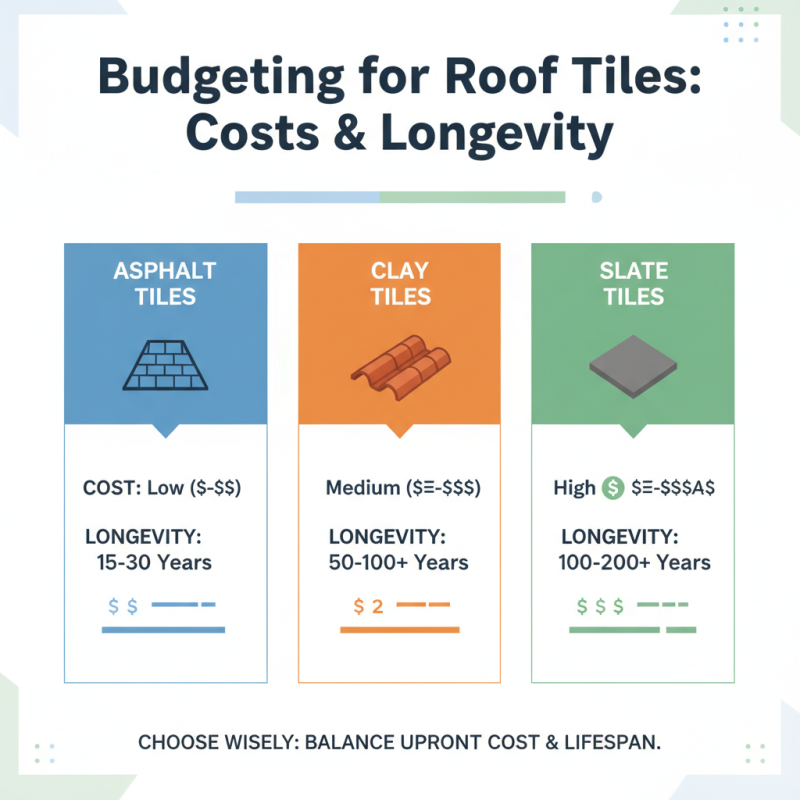
When budgeting for roof tiles, consider both costs and longevity. The price of tiles varies by material. Common options include asphalt, clay, and slate. Asphalt tiles are generally the most affordable. However, they may not last as long as other materials. Clay tiles can be more durable but come with a higher price tag. Slate is the most expensive option but offers exceptional longevity and aesthetic appeal.
Tips: Explore each material's lifespan. Asphalt lasts about 15-30 years, while clay can exceed 50 years. Slate tiles can last over a century with proper maintenance. Evaluate your budget and long-term needs. Select a material that balances cost and durability. Remember that cheaper options may require more frequent replacements.
Be mindful of installation costs too. Professional installation can significantly impact your overall budget. Sometimes, DIY may seem cost-effective, but it carries risks. Mistakes can lead to additional expenses. Research local building codes and requirements, as they can influence your choices. Take your time to weigh options carefully. Reviews and recommendations from homeowners can offer valuable insights. Each choice shapes your home's longevity and aesthetics.