Top Roof Sheets Manufacture Trends for 2026 What Buyers Need to Know
In the evolving landscape of construction materials, roof sheets manufacture plays a pivotal role. As we approach 2026, understanding current trends is essential for buyers. The roof sheets market is projected to experience significant innovations. These innovations address durability, sustainability, and cost-effectiveness.
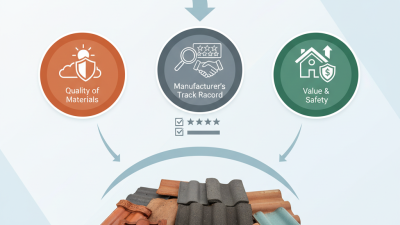
Buyers must be aware of emerging materials. Lightweight composites and reflective coatings are gaining traction. These advancements offer superior energy efficiency and longer lifespans. However, the rapid pace of change presents challenges in selecting the right products. Not all manufacturers keep up with these trends. It’s crucial to assess reliability and quality.
Expert insights suggest a careful evaluation process. Buyers should consider not only price but also performance metrics. Reviews and certifications enhance credibility. Investing time in research ensures informed decisions. Even with a clear understanding, unforeseen issues may arise. Reflecting on choices made during the purchase can lead to better outcomes.

Top Trends in Roof Sheet Manufacturing for 2026: An Overview
As we look towards 2026, there are notable trends shaping the roof sheet manufacturing industry. Sustainable materials are taking center stage. Manufacturers are increasingly opting for eco-friendly products. These materials reduce waste and enhance energy efficiency. The market is witnessing a strong shift towards recycled and lightweight options. This change aligns with global sustainability goals.
Technological advancements also play a crucial role.Automation in manufacturing processes is becoming more common. This increases production efficiency while reducing costs. Moreover, the integration of smart technologies in roof sheets is on the rise. These innovations improve durability and performance. However, the transition to these technologies can be challenging. Many manufacturers face hurdles in adapting to new systems.
Customer preferences have shifted too. More buyers prioritize aesthetics without compromising function.Roof sheets must blend with architectural styles. There is a growing demand for customizable options. Nonetheless, balancing customization with efficiency can be tough. Manufacturers need to reflect on their ability to meet diverse client needs while maintaining productivity.
Key Material Innovations Driving Roof Sheet Production in 2026
As the roofing industry gears up for 2026, innovation is at the forefront. Buyers should be aware that key material advancements are shaping the future. Recent industry reports highlight that sustainable materials are becoming a significant focus. In fact, the use of recycled materials in roof sheet production is projected to increase by 25% over the next few years.
Lightweight materials are also trending. Innovations in composite materials offer durability without the added weight. Studies show that these materials can reduce energy consumption during installation by up to 15%. This can lead to significant cost savings. Yet, some manufacturers struggle to adopt these new materials fully. A reluctance to shift from traditional practices may hinder progress.
Moreover, insulation advancements are notable. New roof sheets with integrated insulation can improve energy efficiency by up to 30%. However, not every installation technique has adapted to these changes. Buyers should inquire about proper installation methods to maximize these benefits. Industry professionals must continuously educate themselves. This ensures that they are prepared for the evolving landscape of roofing materials.
Sustainability in Roof Sheet Manufacturing: Eco-Friendly Materials and Processes
Sustainability is becoming a cornerstone in roof sheet manufacturing. Eco-friendly materials, such as recycled metals and bio-based composites, are gaining traction. According to a 2023 market report, 45% of manufacturers are shifting to greener options. Buyers now often consider the lifecycle impact of materials, not just initial costs.
Manufacturers face challenges in sourcing sustainable materials. Many eco-friendly options may have limited availability. This can lead to higher costs or delays in production. While some companies embrace innovation, others struggle to balance sustainability with profitability. Reports show that 30% of manufacturers find it difficult to adopt these practices consistently. The learning curve is steep, and not all initiatives yield immediate benefits.
Processes also need to evolve. Energy-efficient production techniques and waste reduction strategies are crucial. The latest data reveals that companies adopting these methods see up to a 25% reduction in overall emissions. Buyers should ask about these practices when evaluating manufacturers. A transparent approach shows commitment to sustainability. However, the effectiveness of new processes can vary greatly. It's essential to assess their real-world impacts and not just rely on marketing claims.
Market Demand Analysis: Regional Trends and Growth Projections for 2026
As we look ahead to 2026, the roofing industry is witnessing dynamic shifts. Regional demands are evolving as construction trends change. Emerging markets show significant growth potential. Urbanization drives increased housing demands. In contrast, some rural areas face stagnant growth. Understanding these nuances is essential for effective planning.
Environmental considerations are becoming central to roofing material choices. Buyers increasingly prefer sustainable options. This trend leads manufacturers to innovate. However, some companies struggle to balance cost and eco-friendliness. There is also uncertainty in regulatory environments across different regions. Compliance issues can lead to delays in product availability.
Moreover, market competition is intensifying. Some regions experience oversupply, which impacts pricing strategies. Manufacturers must adapt quickly to fluctuating demands. Digital platforms are playing a vital role in connecting buyers and sellers. Yet, many manufacturers still rely on traditional methods. This could limit their reach in a fast-evolving market. Awareness of these market conditions is crucial for stakeholders aiming for success.
Technological Advances: Automation and Efficiency in Roof Sheet Production
As the roof sheet manufacturing sector evolves, automation plays a crucial role in enhancing efficiency. Recent reports indicate that automation technology can reduce production costs by up to 25%. This significant saving influences both manufacturers and buyers. With streamlined processes, manufacturers can produce higher quality sheets faster. Consequently, buyers have access to more reliable products at competitive prices.
In 2026, advanced robotics and AI are expected to drive innovation. These technologies improve precision and consistency in roof sheet production. For instance, automated quality control systems can detect defects earlier in the process. This reduces waste and enhances customer satisfaction. However, the integration of such technology poses challenges. Companies must balance investment costs against potential long-term savings.
Moreover, the shift toward automation raises questions about workforce dynamics. While efficiency improves, jobs in some areas may diminish. Workers must adapt or reskill to remain relevant. Industry data shows that up to 30% of current roles may change. Manufacturers need a strategy to address these shifts ethically, ensuring that the workforce evolves with technological advances.