Top Roof Sheets Manufacture Choosing the Best for Your Needs?
When choosing roof sheets for construction projects, finding a reliable Roof Sheets Manufacture is crucial. Industry expert John Miller, a veteran in roof design, emphasizes, "Quality roof sheets can make or break a building's integrity." His insight highlights the importance of selection in this oft-overlooked sector.
Roof sheets come in various materials, such as metal, fiberglass, and polycarbonate. Each type offers distinct advantages and disadvantages. For example, metal sheets are durable but can be prone to rust without proper treatment. Conversely, fiberglass is lightweight and resistant to corrosion, yet it may not provide adequate insulation.
Seeking the right Roof Sheets Manufacture often requires careful evaluation. Cost and warranty are common considerations, but long-term performance is vital too. Some manufacturers might offer lower prices but lack consistency in quality. Reflecting on past choices can aid in making more informed decisions. Always strengthen your understanding of materials and consider specialists' opinions. This approach can lead to better outcomes in your project.
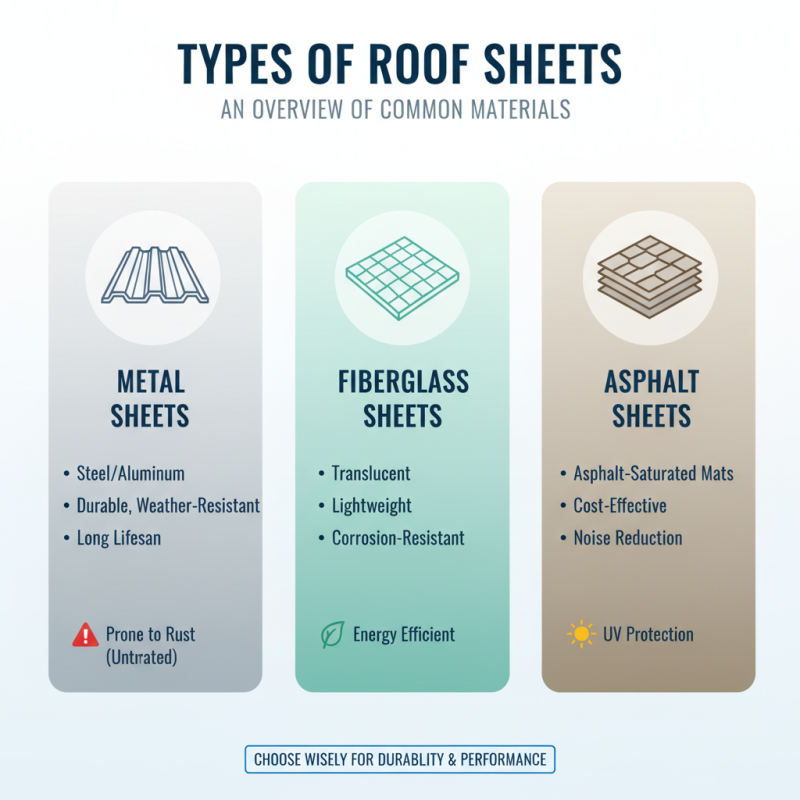
Types of Roof Sheets: An Overview of Common Materials
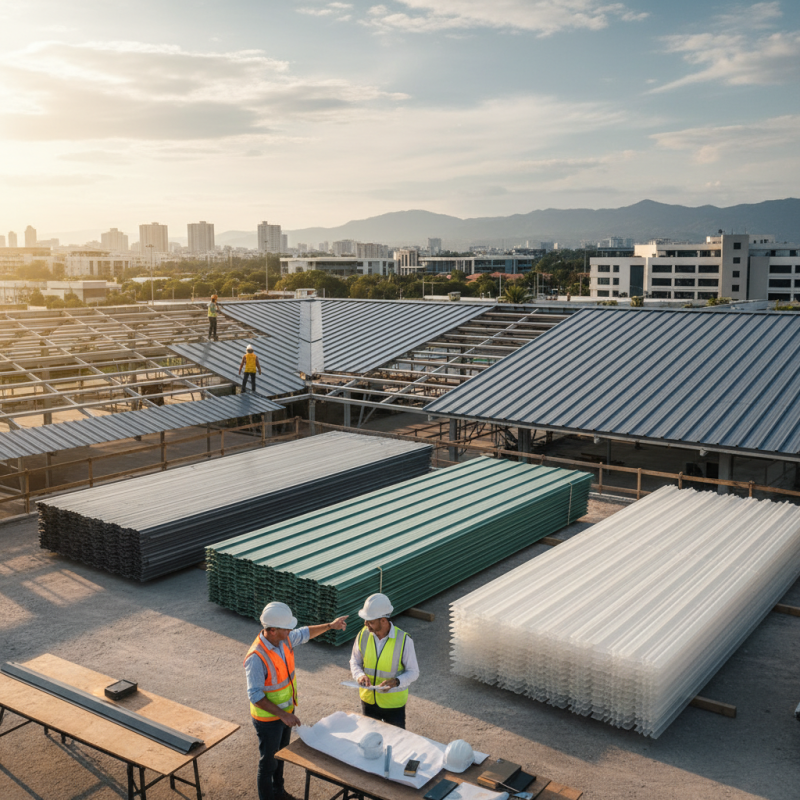
When choosing roof sheets, the material plays a crucial role. Common types include metal, fiberglass, and asphalt. Metal sheets, often made of steel or aluminum, are durable and weather-resistant. They offer long lifespans, making them a favorite for many constructions. However, they can be prone to rust if not properly treated.
Fiberglass sheets provide a lightweight option that allows for easy installation. They are also resistant to corrosion and offer good insulation properties. Ideal for residential settings, they allow natural light to filter through. Still, it's important to consider their lower impact resistance compared to metal.
Asphalt sheets remain a budget-friendly choice. They are well-known for their effectiveness in waterproofing, which can protect your home from leaks. However, they might not last as long as other materials, leading to more frequent replacements.
Tips: Always assess the specific needs of your building. Consider local climate conditions when selecting a material. Consult with professionals for expert advice. Exploring various options and weighing pros and cons is beneficial. This approach ensures you find the best fit for your project.
Key Factors to Consider When Choosing Roof Sheets
Choosing the right roof sheets is crucial for both aesthetics and durability. Several factors can guide your decision. First, consider the material. Options like metal, PVC, and asphalt each have unique characteristics. For instance, metal sheets are known for their longevity and resistance to extreme weather, while PVC offers excellent insulation.
Next, think about the climate in your area. Harsh weather can impact the performance of different roof sheets. It might seem easy to overlook this aspect, but it’s vital. For example, areas with heavy rainfall require sheets that can withstand water pooling. Look for features like waterproofing or corrosion resistance.
Lastly, installation plays a significant role. Improper installation can lead to leaks and costly repairs. Seek professional advice if unsure about what method suits your chosen sheets. This decision can save you headaches in the future. Reflecting on your choices now can lead to a more secure, durable roof later.
Evaluating Roof Sheet Manufacturers: What to Look For
Choosing the right roof sheet manufacturer is vital for project success. Evaluating manufacturers involves considering their experience and reputation. According to a recent industry report, companies with over 15 years in the business tend to provide higher-quality products. They have established quality control measures. They understand the nuances of different materials.
When assessing a manufacturer, check their certifications. Accreditation from authoritative bodies enhances credibility. Additionally, customer reviews offer insight into their reliability. Research indicates that 70% of buyers rely on peer feedback before making decisions. Analyze the feedback trends to gauge their performance. Not all companies have a consistent quality record. This variability can impact your project outcomes.
Material selection is another crucial aspect. Diverse options exist, from metal to polycarbonate. Each has pros and cons based on durability and weather resistance. Industry studies show that high-quality steel sheets last twice as long as lesser alternatives. Consider your local climate when making choices. A manufacturer should offer tailored solutions, demonstrating their expertise in various environmental conditions. Evaluate their willingness to adapt. If they are rigid in options, it may lead to future issues.
Comparing Costs: Budgeting for Roof Sheet Materials
When budgeting for roof sheet materials, understanding the costs involved is crucial. According to a recent industry report by Research and Markets, the average cost of roof sheets ranges from $1.50 to $3.50 per square foot. This price fluctuation can be attributed to various factors, including material type, thickness, and brand reputation.
It’s important to balance cost with quality. While opting for the cheapest option may seem appealing, this choice could lead to higher long-term maintenance costs. For example, metal sheets tend to have a higher upfront cost but offer durability and longevity. Some manufacturers report that metal roofs can last 40 years or more, significantly reducing replacement expenses.
Interestingly, many homeowners overlook installation costs. These can account for 10-20% of total roofing expenses. Skilled labor is essential for ensuring the effectiveness and longevity of roof sheets. Choosing the right contractor may further impact overall costs. A thorough evaluation of the entire project costs, not just materials, is essential for optimal budgeting.
Top Roof Sheets Manufacture Choosing the Best for Your Needs? - Comparing Costs: Budgeting for Roof Sheet Materials
| Material Type |
Average Cost per Square Meter |
Durability (Years) |
Weight (kg/m²) |
Maintenance Requirements |
| Galvanized Steel |
$20 - $30 |
30 - 50 |
4.5 |
Low |
| Aluminum |
$25 - $40 |
50 - 70 |
2.5 |
Minimal |
| Polycarbonate |
$15 - $25 |
10 - 20 |
1.5 |
Moderate |
| Bitumen Sheets |
$10 - $20 |
5 - 15 |
2.0 |
High |
| Fiberglass |
$30 - $50 |
20 - 30 |
3.0 |
Low |
Top Brands in Roof Sheet Manufacturing and Their Features
When selecting roof sheets, it’s crucial to understand what different brands offer. The market is diverse, featuring materials like metal, polycarbonate, and asphalt. Each type serves unique purposes. Metal sheets are often favored for durability, lasting over 50 years. A recent industry report notes that nearly 60% of builders prefer metal for commercial projects. It’s essential to consider both the longevity and maintenance of these materials.
Polycarbonate sheets are gaining popularity for residential use. They provide excellent light transmission, making them ideal for greenhouses or patios. While they are less durable than metal, their weight is significantly lighter, which many find advantageous. Reports indicate that around 25% of homeowners opt for polycarbonate due to its ease of installation.
There can be challenges in selecting the right sheet. Price variations can be steep, and quality often dictates durability. Budget constraints may lead some to choose cheaper options, which might require repairs sooner than expected. This trade-off is worth reflecting on. Real experiences suggest investing upfront could save you time and money in the long run. Be aware of varying warranties that come with different products; they often reflect the manufacturer's confidence in their sheets.