What Is a Roof Sheet Factory and What Does It Make?
A Roof Sheet Factory turns flat coils or other sheet materials into panels built for roofs, walls, and related uses. The work may include decoiling, roll forming, cutting, profiling, and protective coating. On a production line, a wide metal coil unwinds, passes through shaped rollers, and emerges as ribbed sheets cut to length. Some factories also make insulated sandwich panels, while others focus on basic coated steel products. The term sounds simple. Still, it can hide important differences in materials, equipment, and quality control.
The scale of the wider construction sector helps explain why these products matter. The United Nations Environment Programme’s 2024 Global Status Report for Buildings and Construction estimates that buildings and construction accounted for 32% of global energy demand and 34% of energy- and process-related CO₂ emissions in 2023. That report does not measure roof-sheet factories specifically, but it highlights the value of durable, efficient building materials. World Steel Association’s World Steel in Figures 2024 reports 1,888.2 million tonnes of global crude steel production in 2023; this figure describes steel output, not roofing alone. A factory’s product choices can affect weight, weather resistance, installation, and maintenance. Details matter. Buyers should examine coating specifications, sheet thickness, forming accuracy, and the manufacturer’s quality records. Even a neat-looking panel can disappoint if its profile, finish, or intended use is poorly matched. The useful question is not only what a factory makes, but how consistently it makes it.
What a Roof Sheet Factory Is
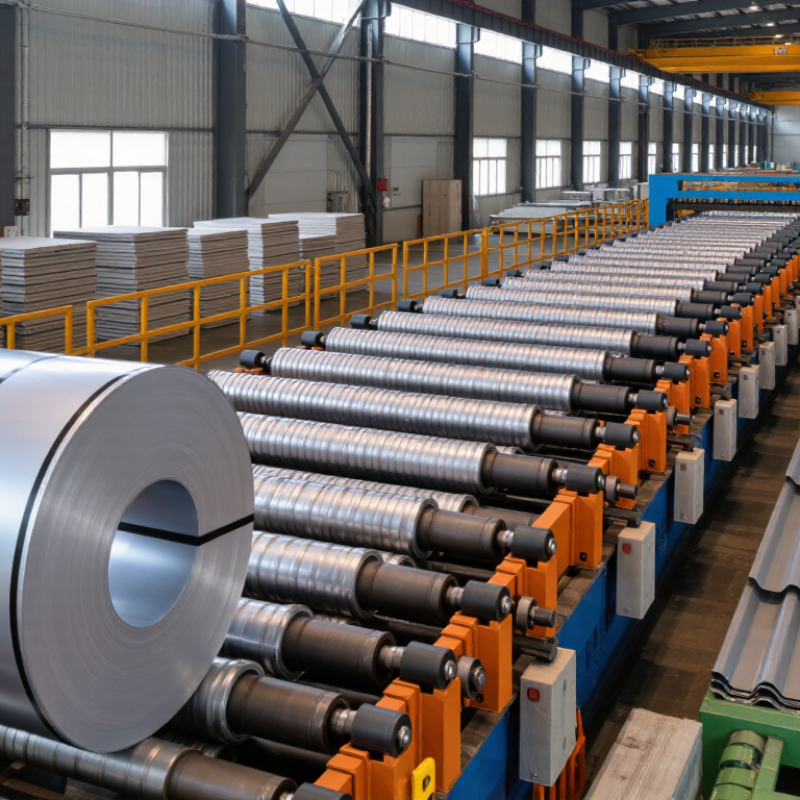
A roof sheet factory is a manufacturing facility that turns flat metal coil into panels designed to shed rain and protect buildings. The coil is fed through rollers, which form repeating ribs or waves, then cut to specified lengths. A worker may check panel edges, coating, and dimensions before sheets are stacked and wrapped. Some factories also apply protective finishes; others receive pre-coated coil and focus on forming and cutting. The name can be imprecise: a factory may make roofing, wall cladding, or both.
The scale of steel production gives useful context, though it does not measure roofing output. The World Steel Association reported 1,888.2 million tonnes of crude steel production worldwide in 2023 in its 2024 production release. A roof sheet factory handles only a small, specialized part of that material flow. Its practical value depends on consistent profiles, accurate cuts, and careful handling that avoids scratches or bent edges. Still, “consistent” does not mean flawless. Coil variation and machine setup can affect fit, so buyers should verify dimensions and coating details against project needs rather than assume every sheet is interchangeable.
What a Roof Sheet Factory Makes: A Typical Production Sequence
Roof sheet factories commonly feed metal coil through forming rolls to create a roofing profile, cut the formed sheet to length, and then inspect and bundle the finished panels. The chart shows the order of these steps—not production time or output.
Materials and Equipment Used in Roof Sheet Production
A roof sheet factory converts flat metal coil into panels with ridges, seams, or corrugations. Common materials include galvanized steel, aluminum-zinc coated steel, and aluminum. A paint or polymer finish can improve weather resistance and color retention. Coil thickness, coating mass, and finish affect forming behavior, corrosion protection, and cost. Even a small scratch can expose the substrate. It matters.
The production line usually starts with a decoiler and strip feeder. Leveling rolls flatten coil memory; a roll former shapes the metal through matched stands. A cut-to-length shear trims panels, while a stacker and gauges support packing and quality checks. Sensors and a programmable controller help manage line speed and sheet length. Operators still need to inspect edges, coating damage, and profile height. The World Steel Association’s World Steel in Figures 2024 reports 1,892.2 million tonnes of crude steel production in 2023. That figure describes global steel supply, not roof-sheet output; it offers context, not a market-size estimate.
Tips: Check the coil certificate against the job specification, then test a short sample before full production. Measure panel length and profile height after forming. A clean finish can still hide uneven coating, so visual checks alone are not enough.
How Roof Sheets Are Manufactured
A roof sheet factory turns flat metal coil into panels shaped for roofs and walls. The process begins with checking the coil’s thickness, surface, and protective coating. A defect can travel through the whole batch, so operators inspect the material before production. The coil is then unwound and leveled to reduce bends and ripples.
Roll-forming machines guide the metal through a series of shaped rollers. Each station gradually creates the profile, such as raised ribs or corrugations. Gradual forming helps limit stress and uneven edges. The finished sheet is cut to a specified length, then checked for dimensions, coating damage, and visible defects. Some factories also produce trim pieces, such as ridge caps and flashing. Results can vary with material quality and machine settings; even a careful process is not perfectly uniform.
Tips:
Keep samples from each production run. Compare their measurements with the order specifications, and check cut edges for burrs. Ask how sheets should be stored and handled. Small dents matter. A quick visual check before installation can catch damage that factory inspections missed.
Types of Roof Sheets a Factory Produces
Roof-sheet factories produce several profiles, each shaped for a different roof design.
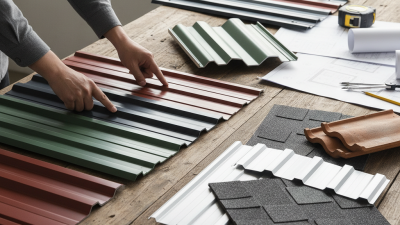
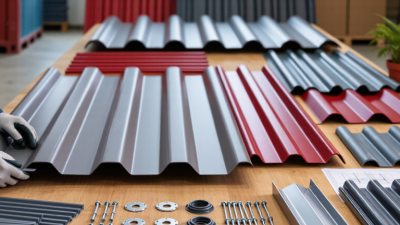
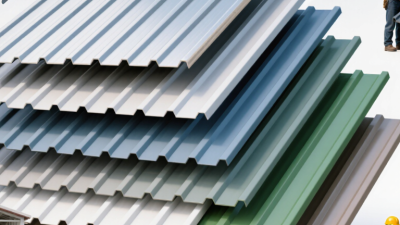
Corrugated sheets have repeating waves that help channel rainwater and add stiffness. Trapezoidal sheets use broader, angular ribs, making them common on workshops and agricultural buildings. Standing-seam panels have raised joints that conceal many fasteners and create a clean roofline.
Profile changes performance.
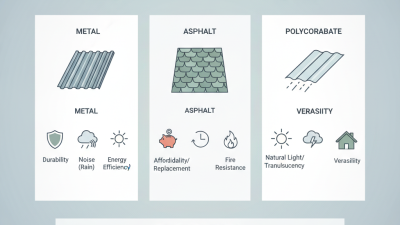
Factories may form these sheets from galvanized steel, coated steel, or aluminum coils. Some also make plastic or translucent panels that admit daylight into sheds and covered walkways.
Material choice affects weight, corrosion resistance, heat, and maintenance.
A coastal roof, for example, may need more attention to protective coatings than a dry inland roof.
Details matter.
Production usually involves decoiling, roll-forming, cutting sheets to length, and checking dimensions and surface finish. A deeper rib is not automatically the best choice; roof pitch, support spacing, wind exposure, and drainage all matter.
I would not judge a product from its color alone.
A glossy sample can hide uneven coating or rough cut edges. Checking thickness, profile consistency, and clear product specifications gives buyers a more useful basis for comparison.
Where Roof Sheets Are Used
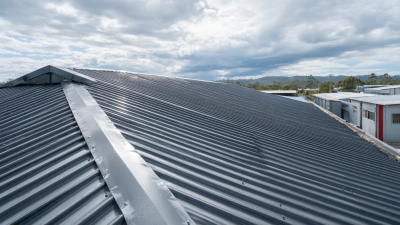
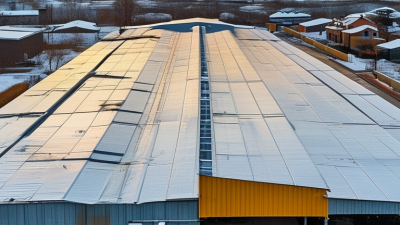
Roof sheets are used on homes, farm buildings, workshops, warehouses, and covered outdoor areas. On a house, they can protect an extension, porch, or full roof, depending on the material and design. Lightweight metal sheets are common on large spans, while other sheet types may suit different weather or appearance needs. The right choice depends on roof pitch, local conditions, and the building’s structure. Good fit matters.
Farm sheds and equipment stores often need broad, practical roof coverage. In barns, sheets help shelter animals, feed, and machinery from rain and sun. Workshops and warehouses benefit from roofing that covers wide areas with relatively few joins. Carports, verandas, and garden shelters use sheets to create shade without enclosing the whole space. These uses sound simple, but wind exposure and drainage can change the requirements. Not every sheet suits every site.
Roof sheets also appear on small extensions and utility buildings, where installation access may be limited. Before selecting a product, check its recommended slope, fixing method, and maintenance needs. Ventilation matters, too. A common oversight is condensation: moisture can collect beneath a roof and affect stored goods or timber. In noisy locations, rain striking some sheet materials may be noticeable indoors. It is worth checking samples and technical specifications, even when appearance seems like the deciding factor.