logo
Leave Your Message

How to Choose a Roof Sheets Manufacturer?

Choosing the right roof sheets manufacturer is more than comparing prices on a supplier’s website. The decision affects weather protection, installation speed, maintenance costs, and building safety. A reliable evaluation begins with the manufacturer’s actual experience. Visit the production site when possible, inspect sample sheets, and ask how materials are stored before shipping. Small details matter. Scratched coatings and uneven edges may reveal weak quality control.

The term Roof Sheets Manufacture covers more than pressing metal into a required profile. It includes material selection, coating technology, roll-forming accuracy, testing procedures, packaging, and technical support. Ask whether the manufacturer provides clear specifications for thickness, tensile strength, coating type, color durability, and dimensional tolerance. Independent test reports can support these claims, although paperwork alone should not create false confidence. Request recent project references and speak with contractors who have installed the products in similar climates.

A trustworthy supplier should explain limitations honestly. For example, a sheet designed for mild conditions may not suit coastal air, heavy snowfall, or strong temperature changes. Experienced teams can recommend suitable profiles, fasteners, insulation systems, and drainage details without forcing one standard solution. Their advice should remain practical and understandable. Check production capacity, lead times, warranty terms, replacement procedures, and communication after delivery. Mistakes can happen, even with established manufacturers. What matters is whether the company identifies problems, responds quickly, and improves its process. The best choice is not always the cheapest offer. It is the manufacturer that combines consistent production, documented expertise, and dependable support for the roof’s expected service life.
How to Choose a Roof Sheets Manufacturer?

Define Your Roof Sheet Requirements and Project Conditions

Before choosing a roof sheets manufacturer, define the roof’s actual working conditions. Measure the roof area, slope, span, and purlin spacing accurately. A small measurement error can create costly cutting waste. Identify expected wind, snow, rain, and temperature exposure. Coastal projects may need stronger corrosion resistance. Industrial areas may require enhanced protective coatings.

Your material choice should match the building’s purpose. A warehouse may prioritize load capacity and long spans. A home may need better insulation, appearance, and rain-noise control. Check the required sheet thickness, profile height, panel length, fixing method, and drainage design. Ask manufacturers for technical data, test results, and installation guidance. Reliable suppliers should explain tolerances clearly, not hide behind attractive samples. I have seen projects fail because the sheet looked suitable but did not match the support spacing. That mistake is easy to repeat.

Tips: Create a written requirement sheet before requesting quotations. Include dimensions, site location, roof pitch, environmental risks, color, coating, delivery access, and maintenance expectations. Compare quotations by specifications, not only price. Request samples and inspect edges, coating consistency, and dimensional accuracy. If conditions are uncertain, consult a qualified roofing engineer. Even experienced buyers can overlook condensation, especially in poorly ventilated buildings. Recheck your assumptions before production begins.
Check Manufacturer Experience, Certifications, and Production Capacity

How to Choose a Roof Sheets Manufacturer?

A dependable roof sheets manufacturer should show proven experience, not only attractive samples. Ask how many years the factory has produced roofing materials. Request project records, production photos, and references from similar climates. Experience matters when handling wind loads, corrosion risks, and repeated custom orders.

Certifications need close checking. ISO 9001 supports documented quality processes, but it does not automatically prove excellent roof sheets. The ISO Survey 2023 recorded 1,265,216 ISO 9001 certificates worldwide, showing how common this certification has become. Check the certificate scope, expiry date, issuing body, and covered factory location. Product testing should match recognized standards, such as ASTM or EN requirements. A report without batch details is weak evidence. I learned this the hard way: paperwork can look complete while traceability remains poor.

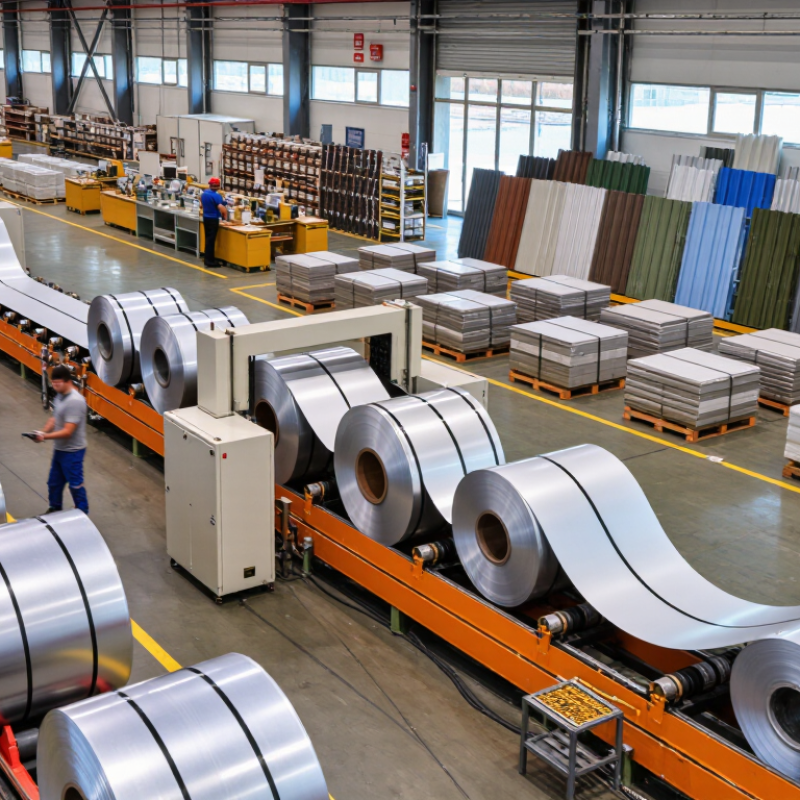
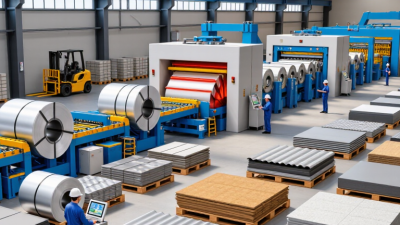
Tips: Ask for recent test reports, coil certificates, coating thickness results, and inspection records. Check production capacity carefully. World Steel Association reported about 1.89 billion tonnes of global crude steel output in 2023, yet large material supply does not guarantee reliable delivery. Ask for monthly roofing output, line speed, storage space, and backup equipment. Compare promised lead times with actual dispatch records. A factory may claim high capacity, but seasonal demand can expose the gap. Visit the production floor if possible. Look for clean roll-forming lines, labeled coils, protective packaging, and workers checking dimensions. Small details often reveal the real quality system.

How to Choose a Roof Sheets Manufacturer? - Check Manufacturer Experience, Certifications, and Production Capacity
Evaluation Dimension What to Check Reliable Evidence or Standard Recommended Benchmark Why It Matters
Manufacturing Experience Years producing and supplying roofing sheets, especially for projects similar to yours. Company history, completed-project records, customer references, production photographs, and factory audit results. Prefer 5–10+ years of documented experience Longer operating history generally indicates more established process control, product knowledge, and after-sales capability.
Product Scope Availability of the required sheet profile, thickness, coating type, color, length, and accessory system. Current product catalogue, technical drawings, material declarations, and sample approval documents. Product specifications must match the project design Using the correct profile and material prevents compatibility problems during installation and service.
Quality Management Whether production, inspection, nonconformance handling, and traceability are controlled systematically. Valid ISO 9001 certification issued by an accredited certification body, plus documented inspection procedures. Certificate scope should include relevant manufacturing activities A quality management system supports consistent production and corrective-action management.
Environmental Management Control of energy use, waste, emissions, chemicals, and environmental compliance. ISO 14001 certification, environmental permits, waste-management records, and coating compliance documents. Verify certificate validity and site coverage Environmental controls can reduce regulatory, supply-chain, and project-compliance risks.
Material Standards Base-metal grade, yield strength, coating mass, coating type, and dimensional tolerances. Mill test certificates and product test reports referring to applicable standards such as ASTM A653, ASTM A792, EN 10346, or equivalent requirements. Material certificates required for every relevant batch Verified material properties help confirm corrosion resistance, structural performance, and consistency.
Product Performance Resistance to corrosion, weathering, water penetration, wind loads, fire, and mechanical damage. Test reports, declarations of performance, technical datasheets, and project-specific calculations where required. Performance data should match local building-code requirements Roof sheets must be selected for the climate, building use, exposure conditions, and design loads.
Production Capacity Actual monthly output, number of forming lines, operating shifts, and available capacity during the required delivery period. Capacity statement, production schedule, equipment list, factory audit, and recent delivery records. Capacity should exceed the order volume with contingency Verified capacity reduces the risk of delayed shipments or inconsistent production under time pressure.
Equipment and Automation Condition and capability of roll-forming machines, cutting systems, coating inspection equipment, and packaging lines. Equipment maintenance records, calibration certificates, machine specifications, and factory inspection results. Equipment should support the specified profile and tolerance Suitable and maintained equipment improves dimensional accuracy and repeatability.
Inspection and Testing Checks for thickness, width, length, coating, profile geometry, appearance, and packaging condition. Incoming, in-process, and final inspection records; calibrated gauges; and batch-based quality reports. Inspection records should be traceable to each batch Traceability makes it easier to identify defects, investigate claims, and verify compliance.
Lead Time Reliability Normal production lead time, raw-material availability, order-change policy, and shipping preparation. Written quotation, production plan, historical delivery performance, and clearly defined contract terms. Require a documented schedule and delivery milestones Predictable lead times help coordinate structural work, installation crews, and site storage.
Customization Capability Ability to produce project-specific lengths, profiles, perforations, flashings, trims, and accessories. Approved shop drawings, sample panels, tooling information, and dimensional inspection reports. Confirm customization before signing the purchase order Accurate customization can reduce site cutting, material waste, and installation time.
Warranty and After-Sales Service Coverage for coating performance, manufacturing defects, color retention, and claim response. Written warranty terms stating exclusions, service conditions, claim procedures, and required installation practices. Warranty terms must be specific and project-compatible A clear warranty defines responsibilities and provides protection after delivery and installation.
Packaging and Logistics Protection against moisture, abrasion, edge damage, deformation, and incorrect labeling during transportation. Packaging specification, loading photographs, packing list, container-loading procedure, and shipping inspection. Packaging must suit the transport distance and storage conditions Proper handling prevents damage before the sheets reach the construction site.
Financial and Supply Stability Raw-material sourcing, production continuity, payment terms, and ability to support repeat orders. Supplier references, procurement plan, audited financial information where available, and continuity procedures. Assess stability for the full project duration A stable supplier is less likely to interrupt production or change specifications unexpectedly.
Overall Selection Decision Combined evaluation of experience, certifications, product compliance, capacity, quality, price, and service. Supplier comparison matrix, factory audit score, sample approval, and pre-production inspection. Use weighted scoring rather than price alone A balanced assessment helps identify the best long-term value and reduces technical and delivery risks.

Compare Sheet Materials, Profiles, Coatings, and Technical Standards

Choosing a roof sheets manufacturer starts with the sheet itself, not a polished catalog. In site inspections, I compare galvanized steel, aluminum, and fiber-cement sheets against the building’s exposure. Galvanized steel offers strength and economical spans, but cut edges need careful protection. Aluminum resists coastal corrosion, although it can dent more easily during installation. Fiber-cement reduces metal noise, yet its weight demands stronger support and safer handling. Ask for thickness, mass, tensile strength, and test data, not vague claims.

Profile geometry controls drainage, stiffness, and screw placement. Trapezoidal sheets often suit broad industrial roofs, while corrugated profiles can match lighter structures. Check the effective cover width, rib height, minimum slope, and allowable span. A beautiful profile can still fail when water collects around poorly aligned laps.

Coatings deserve equal scrutiny. Compare zinc or aluminum-zinc layers, paint system type, coating thickness, color stability, and salt-spray evidence. On a humid site, a cheap finish may become an expensive maintenance problem. I once focused too much on appearance; that was a costly lesson.

Reliable manufacturers identify applicable technical standards and explain how products were tested. Request mill certificates, dimensional tolerances, fire classification, wind-load data, and installation guidance. Confirm whether tests represent the actual substrate, coating, and profile you will purchase. Independent laboratory reports carry more weight than generic certificates. Also inspect packaging, labeling, batch traceability, and sample consistency. Small differences matter. If the supplier avoids specific answers, pause before ordering. A second review by a roofing engineer may reveal assumptions I missed.

Evaluate Quality Control, Warranties, Pricing, and Delivery Terms

How to Choose a Roof Sheets Manufacturer?

Quality control should be verified, not assumed. Ask for coil certificates, coating thickness records, and dimensional inspection reports. A reliable factory can explain its testing frequency clearly.

The 2023 ISO Survey recorded 1,265,216 ISO 9001 certificates worldwide, but certification alone cannot prove consistent roof-sheet performance. Request recent batch samples and compare them with the stated specification.

Check edge straightness, cut accuracy, surface uniformity, and protective film adhesion. Small defects become obvious during installation.

Warranties need careful reading. Confirm coverage periods for corrosion, paint adhesion, color fading, and structural performance. Ask who pays for inspection, removal, transport, and replacement.

Exclusions matter more than impressive numbers. A twenty-year warranty may offer limited protection if installation conditions are unclear.

Pricing also deserves practical comparison. The World Steel Association’s October 2024 outlook expected global steel demand to rise 1.2% in 2025, following a 0.9% decline in 2024. Raw-material movement can affect quotations quickly.

Request a validity period, currency, tax treatment, packaging costs, and adjustment formula. The cheapest quotation may quietly omit essential accessories.

Delivery terms should specify production time, loading date, shipping responsibility, and damage procedures. UNCTAD’s Review of Maritime Transport 2024 highlighted continuing disruption risks across global shipping routes.

Ask for a realistic buffer. Not an optimistic promise. Confirm pallet protection, moisture control, tracking documents, and partial-shipment rules.

I would also contact two recent customers, because paperwork rarely reveals every production delay or communication problem.

Verify Customer Support, Installation Guidance, and Supplier Reliability

Choosing a roof sheets manufacturer requires more than comparing prices. Customer support can determine whether a small issue becomes a costly delay. The Associated General Contractors of America’s 2024 Workforce Survey found that 94% of construction firms struggled to fill positions. Clear installation guidance therefore matters. Ask for current manuals, fixing diagrams, load tables, and weather-sealing details. Experienced suppliers should explain how sheets perform around valleys, eaves, penetrations, and high-wind areas. Vague answers are warning signs.

Reliability should be tested before ordering. Request documented lead times, batch traceability, product warranties, and a written process for damaged or incorrect deliveries. Check whether technical staff answer questions directly, not only through sales representatives. The International Organization for Standardization states that ISO 9001 focuses on consistent processes and customer satisfaction, but certification alone cannot prove dependable delivery. Review independent trade references and compare promised dates with actual performance. I would also inspect packaging quality; bent corners often reveal weak handling, although this is not conclusive.

Tips: Ask one practical question before signing: “Who will support the installer on site?” Confirm response times, replacement procedures, and whether guidance covers your roof design. Keep written records. A polished brochure is useful, but a tested support process is more valuable. Do not assume the lowest quotation offers the lowest project cost. My own caution is simple: even a strong manufacturer may fail when communication is informal or responsibilities remain unclear.