Why Choose Eco-Friendly Roof Sheets for Sustainable Building Solutions?
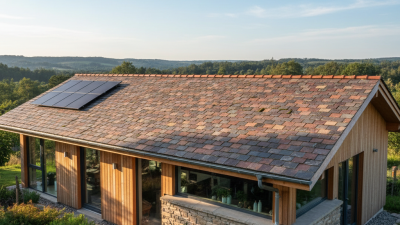
Eco-Friendly Roof Sheets are increasingly popular in sustainable building solutions. The construction industry is responsible for about 40% of global carbon emissions. This data from the Global Carbon Project emphasizes the urgency for greener alternatives. Using Eco-Friendly Roof Sheets can help mitigate this impact. These materials often utilize recycled content, reducing waste significantly.
A report by the International Journal of Research and Engineering highlights how sustainable materials can lower energy consumption. They also enhance a building's thermal performance. Eco-Friendly Roof Sheets reflect sunlight, minimizing heat absorption. This leads to lower energy costs for cooling systems. Yet, transitioning to these materials poses challenges. Some developers remain skeptical about their durability and cost-effectiveness.
Not all Eco-Friendly Roof Sheets are created equal. It’s essential to compare different products on the market. Their certifications can indicate product reliability, but comprehensive research is essential. Consumers must also consider long-term benefits versus initial expenses. Recognizing the importance of sustainable materials is a step forward, yet ongoing evaluation is crucial for making informed decisions.
Benefits of Eco-Friendly Roof Sheets in Sustainable Construction
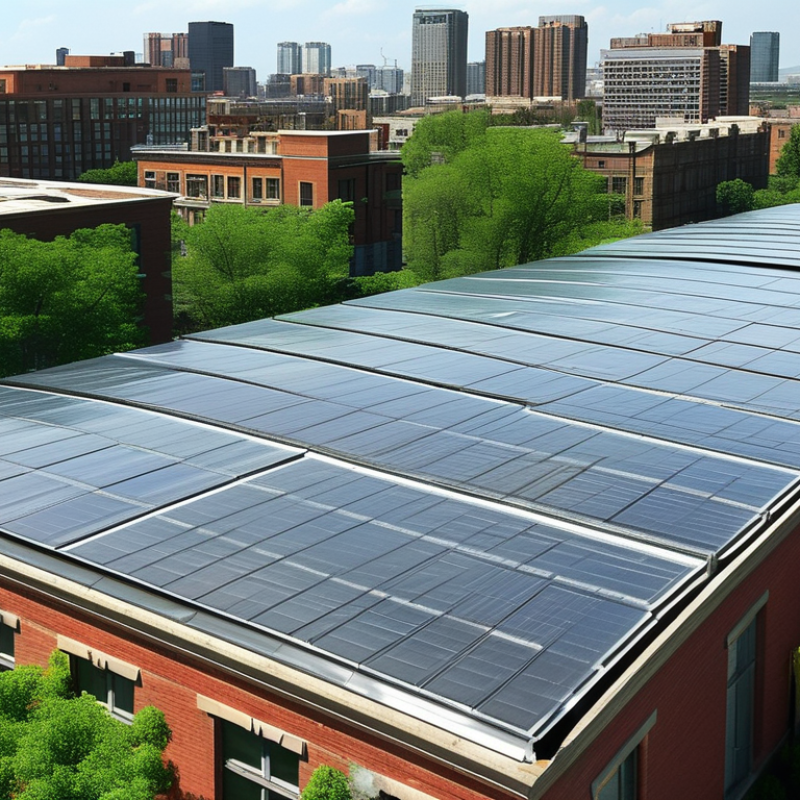
Eco-friendly roof sheets offer numerous benefits in sustainable construction. They help reduce energy consumption by improving insulation. Good insulation keeps buildings cooler in summer and warmer in winter. This leads to lower heating and cooling costs. Many eco-friendly options are made from recyclable materials, which minimizes waste. Utilizing these materials also lessens the demand for new resources.
Another crucial advantage is their durability. Eco-friendly roof sheets withstand harsh weather conditions better. They resist mold, mildew, and rot, ensuring a longer lifespan. This durability contributes to less frequent replacements, ultimately saving resources. However, not every eco-friendly option is suitable for all climates. Some materials may perform poorly in extreme weather. Proper research and professional guidance are essential when selecting the right type.
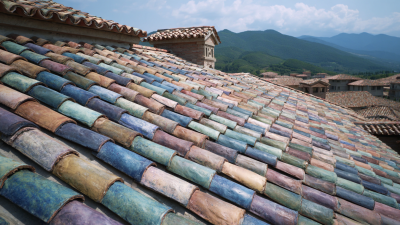
Moreover, these roof sheets can enhance the aesthetics of a building. Many designs mimic traditional materials while providing improved sustainability. This attractive feature can increase property values. People may still hesitate to choose eco-friendly options, fearing higher upfront costs. It's important to weigh long-term savings against initial investment. In this context, education and awareness play critical roles in promoting eco-friendly solutions.
Comparative Analysis: Eco-Friendly vs. Conventional Roofing Materials
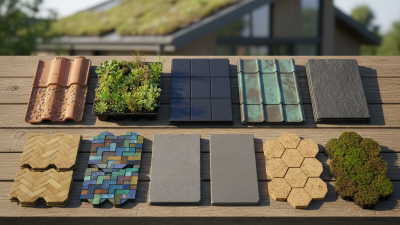
Eco-friendly roof sheets represent a significant shift in building materials. Traditional roofing often relies on non-renewable resources, which contribute to environmental degradation. In contrast, eco-friendly options utilize recycled materials and sustainable production processes. This means less waste and a reduced carbon footprint. For example, metal sheets can be made from over 50% recycled metals, enhancing sustainability in construction.
When comparing these materials, consider durability and longevity. Eco-friendly roofs can outlast conventional options, lowering replacement costs over time. It’s crucial to research local climate conditions. Different roofing materials perform better under unique weather patterns. Some eco-friendly options may not suit all environments, which requires careful thought.
Tips: Look for materials with energy-saving features. Reflect on the performance history in your region. Seek insights from professionals with experience in sustainable architecture. These steps can guide you toward making an informed choice. Select a roofing solution that aligns with both your financial and environmental goals. Remember that the best decision often reflects a balance between functionality and sustainability.
Why Choose Eco-Friendly Roof Sheets for Sustainable Building Solutions? - Comparative Analysis: Eco-Friendly vs. Conventional Roofing Materials
| Material Type |
Durability (Years) |
Cost per Square Meter ($) |
Environmental Impact (CO2 kg) |
Recyclability (%) |
| Eco-Friendly Roof Sheets |
50 |
30 |
20 |
100 |
| Conventional Asphalt Shingles |
20 |
20 |
50 |
10 |
| Metal Roofing |
40 |
25 |
30 |
90 |
| Clay Tiles |
100 |
50 |
40 |
80 |
Environmental Impact of Roof Sheet Production and Disposal
Eco-friendly roof sheets have gained popularity as sustainable building solutions. Their production process is different from traditional materials. Many eco-friendly options use recycled materials, reducing waste. This minimizes the need for virgin resources. However, not all eco-friendly roof sheets are created equal. Some may still have an environmental footprint.
The disposal of roof sheets also presents challenges. Traditional roofing materials can take years to decompose, contributing to landfill issues. In contrast, eco-friendly sheets may break down faster. Still, improper disposal can lead to other environmental concerns. For instance, certain hybrids may release toxins when exposed to the sun.
When choosing roof sheets, consider both their production and disposal impacts. Not all green materials will solve environmental issues. It’s essential to research and source responsibly. Diligently evaluating materials can lead to better choices in sustainable building. Every decision matters in the quest for a greener future.
Environmental Impact of Roof Sheet Production and Disposal
Cost-Effectiveness of Investing in Eco-Friendly Roofing Solutions
Investing in eco-friendly roofing solutions brings a myriad of cost-effectiveness benefits. Research shows that sustainable roofing options can reduce energy consumption by up to 30%. This directly translates into lower utility bills for homeowners and businesses alike. For instance, reflective roof coatings can significantly minimize heat absorption, thereby decreasing air conditioning costs during hot months.
Moreover, eco-friendly roofing materials often have a longer lifespan. Industry studies indicate that these roofs can last up to 50 years with proper maintenance, reducing the need for frequent replacements. This longevity leads to decreased lifecycle costs. A report by the United States Green Building Council highlights that businesses investing in green roofs can expect an average return on investment of nearly 10%.
Although the initial costs may seem higher, the overall savings in energy and maintenance create a compelling case. However, not all eco-friendly options may suit every building design or budget. Some materials, while sustainable, may require specialized installation, leading to additional expenses. This brings forth a need for careful planning and possibly consultation with roofing experts to ensure optimal choices.
Innovative Technologies in Eco-Friendly Roof Sheet Design and Production
Innovative technologies are reshaping the design and production of eco-friendly roof sheets. These advancements focus on sustainability and efficiency. For instance, recycled materials are now commonly used. They reduce waste and give new life to discarded products. Many companies are exploring bio-based plastics as alternatives. This shift not only cuts down on harmful emissions but also promotes a circular economy.
Advancements in manufacturing processes play a crucial role, too. Energy-efficient methods minimize resource consumption. Smart technology enables monitoring of roof performance. This tracking helps identify maintenance needs early. However, despite these benefits, challenges remain. Not all eco-friendly materials perform equally in harsh climates. Some might require more frequent replacements, raising questions about longevity.
Yet, the potential for innovation continues to grow. Researchers are experimenting with solar integration in roof sheets. This could turn buildings into energy producers. Engaging with evolving technologies encourages better practices in construction. As these materials gain traction, it is important to remain critical. Balancing sustainability and performance is an ongoing journey.