How Much Do Roofing Tiles Cost for Global Buyers?
When considering roofing solutions, understanding the "Roofing Tiles Cost" becomes essential for global buyers. This cost varies significantly based on material, location, and the scope of installation. Different types of roofing tiles, from ceramic to metal, each present unique pricing structures that can influence a project's total expense.
Buyers often overlook hidden costs, like labor and maintenance. These expenses can overshadow the initial tile cost. Moreover, the durability and longevity of tiles could lead to savings or unexpected expenses in the long run. It's important to seek reliable sources and expert opinions when evaluating options.
While many companies provide estimates, these can significantly differ. Therefore, gaining insight into market trends and regional pricing is critical. Reliable data is key. Understanding the comprehensive picture will help buyers make informed decisions, ensuring their investment is sound.
Factors Influencing Roofing Tile Costs Across Different Regions
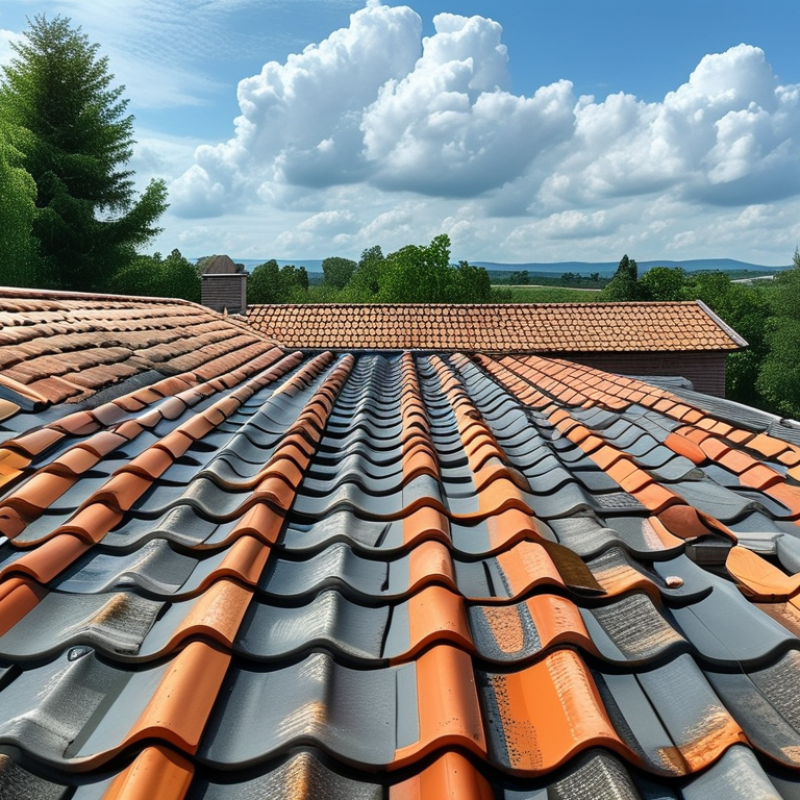
When considering the cost of roofing tiles, several factors vary across regions. Installation labor and material costs are two primary influences. According to a report by IBISWorld, labor costs can account for 30-50% of the total installation price. In rural areas, these costs may be lower due to less demand for skilled labor. Conversely, urban centers may see inflated prices due to competition and higher living expenses.
Climate also plays a vital role in determining roofing tile costs. For instance, some regions experience harsher weather conditions, requiring more durable materials. A study from MarketsandMarkets highlights that tiles designed for extreme climates can cost 15-25% more. Additionally, local regulations may mandate specific materials, influencing the market pricing. Availability can make a significant difference too. Regions with abundant local resources often see reduced transportation costs, impacting overall prices.
Lastly, innovation and sustainability trends affect roofing tile choices. Buyers increasingly seek eco-friendly materials, which can have fluctuating costs. Research from Grand View Research indicates that the green roofing market may grow by 10% annually. This demand for sustainability often translates to higher initial costs. However, energy savings may justify the expense over time. Understanding these factors is crucial for global buyers navigating the complex roofing tile market.
Types of Roofing Tiles and Their Price Variations Globally
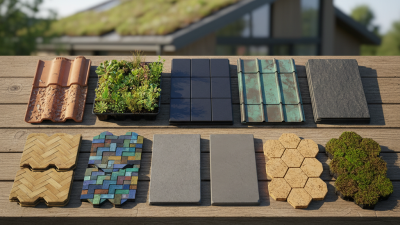
When considering roofing options, understanding the types of roofing tiles is essential. Different materials include ceramic, clay, concrete, and slate. Each type offers unique benefits and drawbacks. For instance, ceramic tiles are popular for their durability and aesthetic appeal. However, they can be heavier and require a strong supporting structure.
The cost of roofing tiles varies widely across the globe. In regions with abundant clay, like parts of Europe, prices can be lower for clay tiles. However, slate tiles in North America can be much more expensive due to transportation costs and limited local supply. Moreover, some countries may have cheaper labor, affecting overall installation prices.
Thickness and finish also impact the cost. Thicker tiles tend to offer better insulation and longevity but come at a higher price point. In some cases, the imperfections in the tiles can result in lower costs. Buyers should weigh these considerations to make informed choices. Understanding these details helps find the best fit for your roofing needs.
Comparison of Roofing Tile Prices by Material and Style
Roofing tile prices vary significantly across materials and styles. According to a 2023 report from the National Roofing Contractors Association, ceramic tiles average around $10 to $15 per square foot, while concrete tiles range from $5 to $10. Metal roofing tiles, which are gaining popularity, can cost between $7 and $12 per square foot. Each material offers different benefits, affecting both durability and aesthetics.
Costs can also fluctuate based on the roofing style. For instance, flat roofing tiles are generally less expensive compared to sloped styles. A study by the Roofing Industry Association noted that high-end tiles, such as slate, can exceed $20 per square foot. Buyers must consider local labor costs as well, which can significantly impact the overall expense of installation.
When evaluating roofing options, it’s crucial to think about long-term durability and maintenance. Some materials may have a higher initial cost but can save money over time through longevity and energy efficiency. However, not all regions support every roofing material. This can limit choices for buyers in certain areas, raising concerns about availability and costs. Understanding these factors can create a more informed purchasing decision.
Estimating Installation Costs for Different Roofing Tile Options
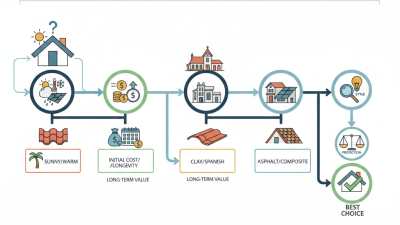
Roofing tile installation costs vary based on materials, labor, and local market conditions. Different options include clay tiles, concrete tiles, and slate. Each has its own price range. Clay tiles are typically more expensive but offer durability and aesthetic appeal. Concrete tiles are affordable and versatile, while slate is generally the priciest option.
When estimating costs, it’s important to account for both material and installation expenses. Labor costs can fluctuate significantly. Some regions may have higher rates due to demand or availability. It's worth obtaining multiple quotes from local contractors for a clearer picture.
Tips: Consider your climate when choosing roofing tiles. For warmer areas, clay tiles are useful for their heat regulation. Also, think about long-term value versus initial expense. Cheaper options might need replacing sooner, raising future costs. Always plan for a bit of unexpected expense. Roof installation can reveal hidden issues beneath the surface.
Tips for Global Buyers to Save Money on Roofing Tiles
When considering roofing tiles, global buyers should be aware of various costs. These costs can vary significantly by region and material type. To help buyers save, understanding the market is key. Knowing what’s available will help you make informed decisions.
Here are some tips for saving on roofing tiles. First, research local suppliers. Often, local manufacturers offer competitive prices and reduced shipping costs. Be cautious of overseas suppliers; unexpected tariffs can increase overall expenses. Second, consider the timing of your purchase. Seasonal sales often bring discounts. Look for end-of-season clearance events that can yield significant savings.
Lastly, don’t aim for perfection in every choice. Sometimes a less expensive tile can still deliver durability and aesthetic appeal. Evaluate different materials beyond the most popular options. Many buyers overlook great alternatives that provide both style and cost savings. Remember, thorough research and careful decision-making can lead to wise investments in roofing tiles.
Roofing Tiles Costs Comparison for Global Buyers