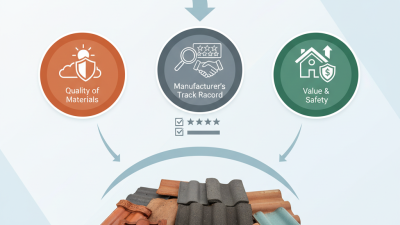
How to Choose the Best Tile Roof for Your Home?
Choosing the right tile roof for your home can significantly enhance its beauty and longevity. According to a recent study by the National Roofing Contractors Association (NRCA), tile roofs have an average lifespan of over 50 years when properly installed and maintained. This makes them a wise investment for homeowners seeking durability and aesthetic appeal.
Expert Mark Williams, a renowned roofing consultant, states, "A well-chosen tile roof not only protects your home but also increases its market value." His insight reflects the importance of selecting the correct materials and style to suit both your home and the regional climate.
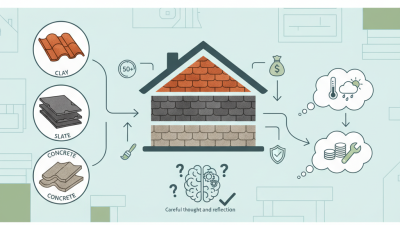
When exploring tile roof options, consider factors such as weight, material type, and energy efficiency. Ceramic, concrete, and even slate tiles offer various benefits. However, homeowners should also be aware of potential installation challenges and local building codes. It's essential to approach this decision with careful consideration and expert guidance.
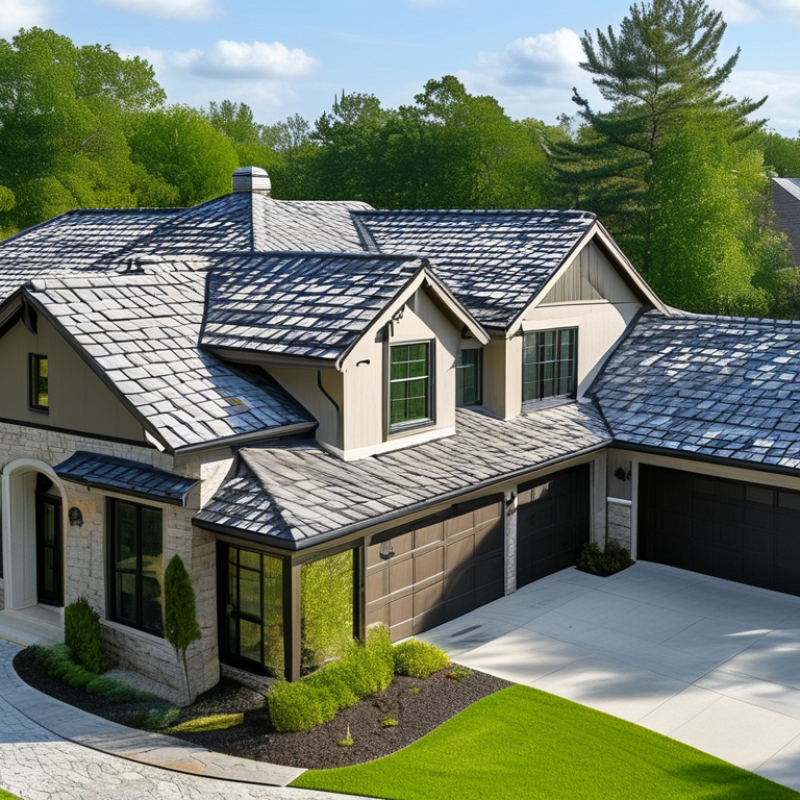
Factors to Consider When Choosing Tile Roof Material for Your Home
Choosing the right tile roof material is crucial for your home's aesthetics and durability. One vital factor is climate. Different materials perform differently under various weather conditions. For example, clay tiles work well in hot regions, while concrete tiles are more suitable for rain-prone areas. Consider how often it rains or snows in your region.
Another essential aspect is the roof's weight. Tile roofs can be heavy, so your home needs to support this weight. Consult a professional to ensure your structure is adequate. If you're unsure about your home's capacity, an expert assessment can save you from future complications. Additionally, think about maintenance. Some tile materials require more upkeep than others. Weigh the pros and cons based on your lifestyle and willingness to maintain your roof.
Aesthetics also play a role in decision-making. Roof colors and styles should complement your home's architecture. Consider how your choice will affect curb appeal and resale value. Sometimes, the most visually appealing option isn't the most practical. Take your time to explore different choices, as there is often more to a tile than meets the eye. Balancing beauty and function can lead to a successful decision.
Comparing the Lifespan and Durability of Various Tile Roof Types
When choosing a tile roof, durability is a critical factor. Various tile types, including clay and concrete, exhibit different lifespans and resilience. According to research from the National Roofing Contractors Association (NRCA), clay tiles can last over 100 years with proper maintenance. On the other hand, concrete tiles typically have a lifespan of 50 to 70 years. This significant difference may affect your home's long-term value. Weather conditions can also impact these metrics, leading to variances based on your locale.
Understanding the material's resistance is essential. For instance, clay tiles are more resistant to high winds and fire compared to their concrete counterparts. A report from the Tile Roofing Institute indicates that the durability of tile roofs often depends on installation quality. Poorly installed roofs might not meet their expected lifespan. This emphasizes the need for hiring experienced professionals for installation. Even with high-quality materials, improper installation can lead to leaks and early deterioration.
Consider the maintenance requirements too. Clay tiles require less frequent inspections than concrete tiles, which may absorb water and necessitate more upkeep. Though concrete tiles can crack and may need replacement sooner, they often come at a lower initial cost. Homeowners should weigh immediate expenses against long-term durability to make a more informed decision. Some may find themselves opting for a durable solution and later regretting not choosing the more resilient option. Balancing cost, lifespan, and maintenance is vital in selecting the best tile roof for your home.
Analyzing Climate Impact on Tile Roof Selection and Performance
When selecting the best tile roof for your home, climate is a crucial consideration. Different regions experience varying weather patterns. For instance, areas with high humidity may require tiles that resist mold and mildew. In contrast, regions with extreme heat can benefit from reflective tiles that reduce thermal absorption.
Homeowners should assess local weather and temperature range before making a decision. The material of the tile can influence performance as well. Clay tiles, for example, provide excellent insulation in colder climates. Meanwhile, concrete tiles are known for their durability in harsher conditions.
In addition, it's wise to consult with local roofing experts. Their insight can guide you toward the best roofing materials. Pay attention to local building codes and regulations too. Compliance can save you headaches down the road. Consider the long-term maintenance aspects as well. Some materials may require more upkeep than others, which could affect your choice.
Understanding Installation Costs and Maintenance Needs of Tile Roofs
When considering a tile roof, understanding installation costs and maintenance needs is crucial. On average, the installation of a tile roof ranges from $7 to $15 per square foot. Factors such as geographical location and roof complexity can impact these costs significantly. For instance, a steep roof may require additional safety measures and labor, increasing overall expenses. This investment can be substantial, yet tile roofs offer durability and longevity that can offset initial costs over time.
Maintenance is another important factor. Tile roofs typically require less upkeep compared to asphalt shingles, with a lifespan often exceeding 50 years. However, they are not without their challenges. Regular checks for cracked or broken tiles are essential. Some homeowners may overlook minor issues, leading to costly repairs later. In climates prone to heavy rainfall or snow, it is vital to ensure proper drainage systems are in place to prevent damage.
Data indicates that neglected maintenance can decrease a tile roof’s expected lifespan by up to 20%. Investing in a qualified roofing professional for inspections can mitigate this risk. While the upfront costs may seem daunting, long-term benefits can include energy efficiency and increased property value.
Evaluating Aesthetic Options and Color Choices for Tile Roofing Systems
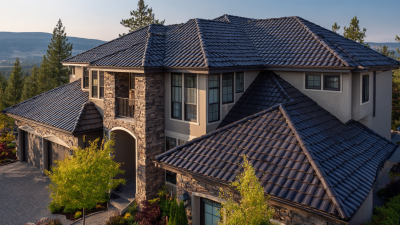
Choosing the right color and aesthetic for your tile roof significantly impacts the overall look of your home.
Tile roofing comes in various colors, textures, and styles.
Popular options include earth tones, vibrant hues, and classic neutrals.
Consider how these shades harmonize with your home’s existing color scheme, landscape, and architectural style.
A bold color can uplift a traditional home, while subtle tones might enhance a modern look.
While aesthetics are crucial, practical considerations also come into play.
Certain colors can affect heat absorption, influencing energy efficiency.
Darker tiles may absorb more heat, increasing air conditioning costs.
Conversely, lighter tones reflect sunlight, promoting a cooler home.
Evaluating your climate is key here.
Be mindful that trends can change.
What might look stylish today could feel outdated in a few years.
Striking the right balance between current trends and timeless appeal is challenging yet vital for long-term satisfaction.
Remember to seek advice from roofing professionals.
Their insights can guide your choices effectively.