Top 10 Factors Affecting Roof Tile Price Worldwide
The roof tile price is influenced by various factors that span across geographical and economic landscapes. Understanding these elements is essential for homeowners and builders alike. From material quality to market demand, each factor plays a critical role in determining the final cost of roof tiles.
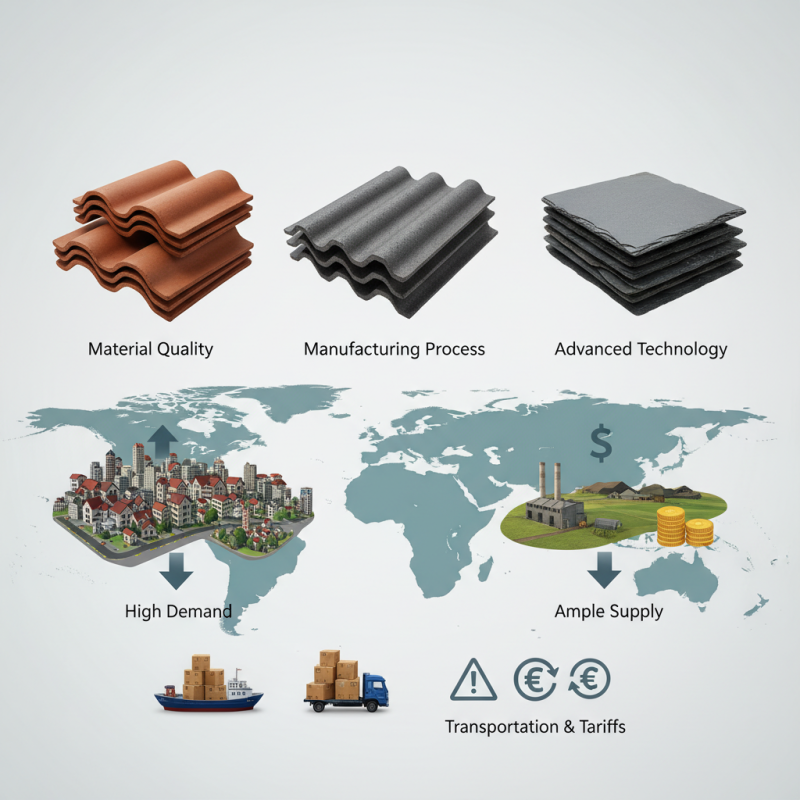
Materials, such as clay, concrete, and slate, significantly impact pricing. High-quality materials often lead to higher prices but promise durability. Conversely, cheaper options may attract budget-conscious buyers but often compromise longevity. The manufacturing process also affects roof tile price, as advanced technologies can increase production costs.
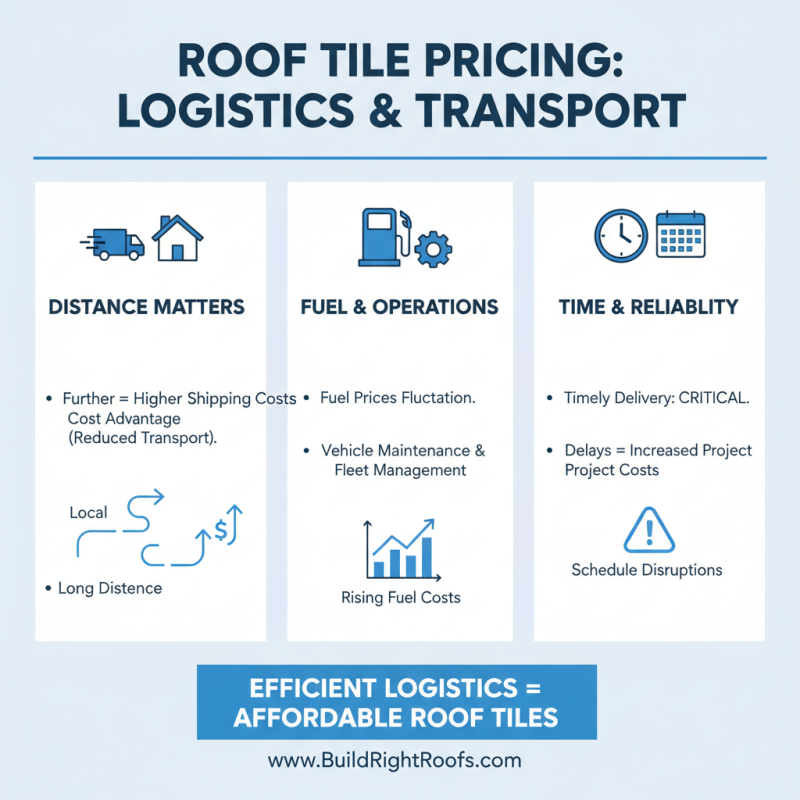
Additionally, regional supply and demand dynamics add complexity to pricing. In areas with high demand, prices can surge. On the other hand, regions with ample supply may see lower costs. Economic factors like tariffs and transportation fees further complicate this landscape. It's crucial for consumers to stay informed about these influences, as they can make informed purchasing decisions.
Factors Influencing Raw Material Costs in Roof Tile Production
The cost of roof tiles relies heavily on raw material prices. Key components like clay, concrete, and slate fluctuate due to various factors. A recent report from the International Roofing Association highlights that raw material costs can represent up to 70% of total tile production expenses. This substantial percentage underscores the importance of monitoring these costs closely.
Supply chain disruptions, influenced by global events, heavily impact material prices. For instance, a 2022 analysis indicated that global shipping costs increased by 300% during supply chain crises. Such spikes directly affect the final price of roof tiles in the market. Additionally, the demand for sustainable materials is growing. Industries are shifting towards eco-friendly options like recycled content. However, sourcing sustainable materials often incurs higher short-term costs, prompting manufacturers to reassess their pricing strategies.
Understanding the underlying factors driving raw material costs is crucial for stakeholders in the roofing industry. As market dynamics shift, companies may need to adapt their sourcing strategies. Failure to do so can lead to lost competitiveness. Balancing cost efficiency with quality remains a challenge without clear historical data to guide future pricing models.
Impact of Manufacturing Processes on Roof Tile Pricing
The manufacturing process plays a vital role in determining the price of roof tiles across the globe. Various methods, such as extrusion, pressing, and firing, significantly influence the final cost. Each technique has its unique implications on material waste, energy consumption, and overall efficiency. For example, extrusion techniques may lead to higher waste if not managed properly.
Moreover, the source of raw materials impacts manufacturing costs. Natural clay, for instance, is often more expensive in regions where it is rare. Conversely, recycled materials can lower production costs but might affect product quality. The expertise of the workforce also matters. Skilled labor can enhance the production process, leading to better quality tiles. However, in some areas, finding experienced workers is a challenge.
Innovation in manufacturing continues to evolve. Emerging technologies can reduce costs and improve efficiency. Yet, integrating new processes often requires an initial investment, which can raise prices. Companies must balance long-term benefits with immediate expenses. This delicate relationship highlights that quality and pricing are not always straightforward. Understanding these nuances is essential for those in the roofing industry.
Top 10 Factors Affecting Roof Tile Price Worldwide - Impact of Manufacturing Processes on Roof Tile Pricing
| Factor |
Description |
Impact on Price (%) |
| Raw Material Quality |
Higher quality materials increase cost but enhance durability. |
20% |
| Manufacturing Process |
Complex processes may drive up production costs. |
15% |
| Labor Costs |
Wages in manufacturing locations directly affect pricing. |
10% |
| Brand Reputation |
Established brands can charge a premium. |
18% |
| Customization Options |
Customized designs increase production time and cost. |
12% |
| Supply and Demand |
Market conditions heavily influence tile pricing. |
25% |
| Transportation Costs |
Shipping affects overall costs, especially for overseas imports. |
8% |
| Technological Advances |
New technologies can either reduce or increase costs. |
5% |
| Regulatory Factors |
Compliance with safety and environmental standards may increase costs. |
10% |
| Market Competition |
Increased competition can lead to price reductions. |
10% |
Regional Demand Variations and Their Effect on Roof Tile Costs
When discussing roof tile prices, regional demand plays a crucial role. In North America, demand is driven by the need for durable and energy-efficient roofing solutions. A report from the Roofing Industry Association highlights that the U.S. market for roof tiles is expected to grow by 6% annually. This growth is influenced by new housing developments in suburban areas.
In Europe, the demand varies significantly. Countries with strong historical architecture, like Italy and Spain, favor traditional clay tiles. Conversely, Germany leans towards modern materials. According to Euroconstruct, European roof tile prices have increased by 4% due to rising material costs and stricter regulations on energy efficiency. This indicates that regional preferences not only impact consumer choices but also affect pricing structures.
Tip: When selecting roof tiles, analyze local trends to gauge potential costs. For instance, being aware of the popularity of materials in your area can provide insight into expected price fluctuations. Comparison shopping across various regions can also highlight significant cost differences. Seek out local suppliers for the most accurate pricing data.
Market Competition and Its Role in Roof Tile Pricing Dynamics
Market competition plays a crucial role in determining roof tile prices. Various factors drive this competition, including local and international suppliers. The presence of multiple manufacturers can lead to price wars. These price wars often push down costs, benefiting consumers but challenging producers.
Demand also influences how competition shapes pricing. In areas with high construction activity, prices may rise due to increased demand for roof tiles. On the other hand, in markets with stagnant growth, producers may lower prices to attract buyers. It’s a delicate balance. One strike against profitability can push companies to reduce prices unnecessarily.
Regional differences further complicate the dynamics. Different countries have unique building standards and material preferences. These factors can create price disparities. In some cases, quality suffers as companies cut corners to remain competitive. Understanding these dynamics requires constant market analysis. It is an ongoing challenge for businesses aiming to maintain profit margins while meeting consumer needs.
Top 10 Factors Affecting Roof Tile Price Worldwide
This bar chart illustrates the top 10 factors affecting the price of roof tiles worldwide, represented as a percentage of overall impact on pricing. Material quality and market demand are the most significant contributors, while factors like technological advancements and geographical location have a lesser influence.