How to Choose a Reliable Roof Sheet Factory in 2026?
Choosing a reliable Roof Sheet Factory in 2026 is no longer just a price comparison. It is a decision about durability, consistency, delivery, and verifiable evidence. Roof sheets face intense sun, wind-driven rain, temperature swings, and rough handling before installation. Small differences in coating thickness or profile geometry can lead to fading, leaks, or costly rework. Numbers help. The IEA’s Buildings report (2023) estimates that building operations accounted for about 30% of global final energy use and 26% of energy-related emissions in 2022. The GlobalABC 2023 Global Status Report attributes roughly 37% of energy- and process-related CO₂ emissions to buildings and construction. These figures do not measure roof sheets alone. They do, however, show why material performance and manufacturing choices deserve careful scrutiny.
A credible supplier should offer more than attractive samples. Ask for traceable coil specifications, coating and thickness records, independent test results, documented quality controls, and clear warranty terms. Check whether production samples match delivered sheets and whether staff can explain tolerances plainly. When possible, inspect the production floor, including the roll-forming line, measuring equipment, and batch labels. Verify claims through current certificates and relevant project references, not logos alone. For coastal or high-UV sites, request evidence suited to local exposure rather than generic assurances. A certificate cannot predict every installation outcome. Nor can a factory control poor storage or fastening. That deserves honest attention. This guide outlines practical checks for comparing manufacturing capacity, material sourcing, testing, service, and total cost, helping buyers separate reliable manufacturers from polished sales claims.
Define Your Roof Sheet Requirements and Project Specifications
Before contacting a roof sheet factory, define how the roof will perform on site. Record the building location, roof pitch, span, purlin spacing, and expected wind or snow loads. These details affect sheet profile, thickness, and fixing requirements.
Small details matter.
A low-pitched roof, for example, may need a profile with greater water-carrying capacity. Confirm design loads with a qualified local professional rather than relying on a general product description.
Specify the material and finish clearly. State whether you need galvanized steel, coated steel, aluminum, or another material, and identify the required base-metal thickness and coating specification. Ask how thickness is measured; total coated thickness and base-metal thickness are not interchangeable.
Measure twice.
Include sheet lengths, effective cover width, color, edge details, flashings, and compatible fasteners in the project schedule. A sample can help check appearance, but it cannot prove structural performance. Request technical data and stated manufacturing tolerances, then compare them with your drawings.
One planning gap is easy to miss:
actual site dimensions may differ from early measurements. Allow for verification before production, and document any unresolved assumptions so they do not become costly surprises during installation.
Identify Factories with the Right Materials and Production Capabilities
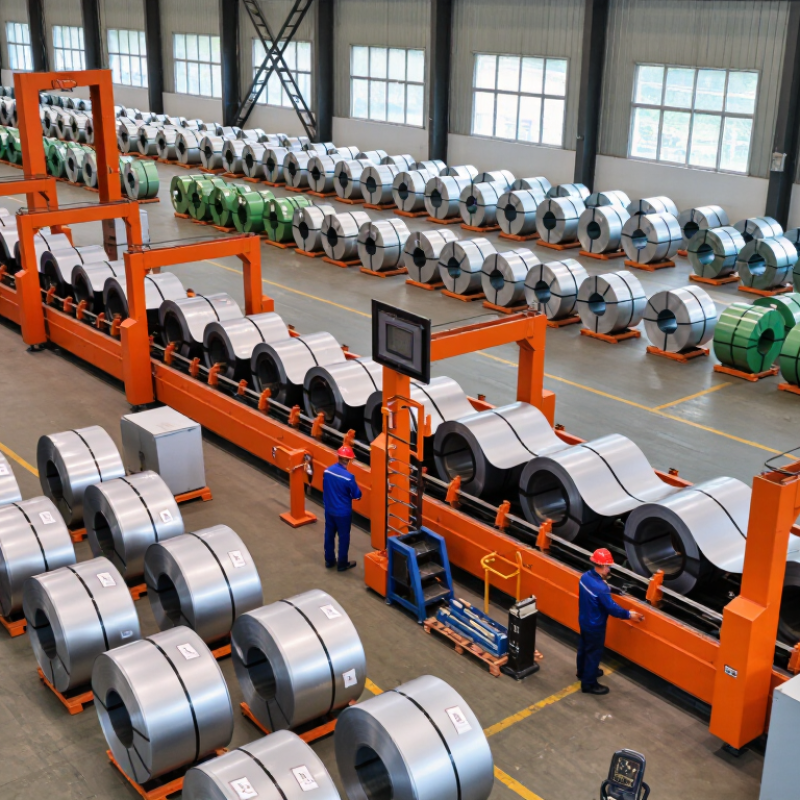
A reliable roof sheet factory should prove what goes into each coil, not just display a glossy finished panel. Ask for steel grade, base-metal thickness, coating type, coating mass, and batch certificates. World Steel Association’s World Steel in Figures 2024 reports 1,888.2 million tonnes of crude steel production in 2023. That scale makes traceable sourcing important: request coil numbers that link test records to finished sheets. Check whether the factory can hold thickness tolerances and document inspections across production runs.
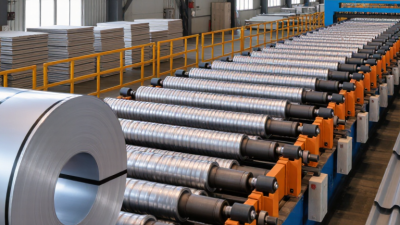
Production capability matters just as much as material choice. Ask to see the roll-forming line, thickness gauges, and a sample edge cut; look for clean profiles and consistent coating. Confirm the factory can produce your required sheet length, profile, finish, and order volume without changing specifications mid-run. A polished sample can still hide variation between coils. Small details matter.
For buildings in hot climates, ask about reflective finishes.
The U.S. Department of Energy says cool roofs can reduce peak cooling demand by 10–15% in air-conditioned buildings. That figure depends on the building and climate, so request product-specific reflectance data rather than relying on a color chart.
Some checks feel tedious, but skipping them can make a small material mismatch costly.
Evaluate Product Quality, Testing Standards, and Certifications
When comparing roof sheet factories, ask for test reports tied to the exact profile, metal thickness, and coating you plan to buy. A certificate for a similar product is not enough. ASTM E1592 evaluates structural performance under uniform static air pressure; ASTM E1646 and E1680 assess water penetration and air leakage. Ask whether an independent laboratory tested the product, and check the report date and sample details. Small details matter.
Quality checks should reach the production line. Request documented thickness readings, coating specifications, and mill test reports for the steel or aluminum substrate. Also review the factory’s quality-management scope, not just an ISO 9001 certificate on the wall. I would not treat a glossy certificate as proof of every shipment. One uncomfortable gap: test results may cover a different sheet profile.
Performance data helps explain why verification matters. The UN Environment Programme’s 2023 Global Status Report for Buildings and Construction estimates that buildings and construction accounted for 34% of global energy demand and 37% of energy- and process-related CO2 emissions in 2022. The U.S. Department of Energy notes that cool roofs can be up to 50°F (about 28°C) cooler than conventional roofs under similar conditions. These figures do not certify a sheet, but they make coating and thermal claims worth checking against test evidence. Ask the factory how it controls batch variation, too. That answer can be less polished, but more revealing.
Verify Factory Capacity, Lead Times, and Delivery Reliability
Ask the factory for actual monthly output, not just the rated speed of its roll-forming line. Compare that figure with recent production records, shift schedules, maintenance logs, and orders already booked. Capacity figures can flatter. A factory producing several profiles on one line may have less time available than its headline number suggests. Request a sample schedule for your order, including inspection and packing.
Define when the lead-time clock starts: after deposit, drawing approval, or color confirmation. Ask for separate production and transit estimates, plus the last 12 months of on-time, in-full delivery results. The World Bank’s 2023 Logistics Performance Index assesses timeliness alongside tracking and infrastructure, a reminder that factory output alone cannot guarantee arrival. Check the proposed carrier, route, and unloading arrangements. No forecast is perfect.
Shipping conditions matter. UNCTAD’s Review of Maritime Transport 2024 reported that seaborne trade grew 2.4% in 2023 and forecast 2.7% growth for 2024. That wider movement can affect schedules, even when a factory ships on time. Ask for dated dispatch records and proof of how delays were communicated. I would still allow a practical buffer; a neat spreadsheet rarely captures every production change or port disruption.
How to Choose a Reliable Roof Sheet Factory in 2026
Verify factory capacity, lead times, and delivery reliability with documented evidence—not promises.
Illustrative buyer-side checklist scores, not industry benchmarks. Score each item from 0 (no verifiable evidence) to 5 (strong, independently checkable evidence). Request production records, a dated lead-time schedule, and shipment documents to support your assessment.
Compare Quotations, Contract Terms, and After-Sales Support
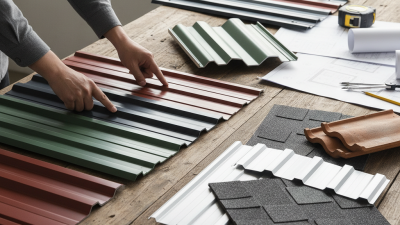
When comparing roof sheet factories, ask each supplier to quote the same specifications. Include sheet thickness, coating type, profile, color, tolerances, packaging, and delivery terms. A low price may exclude edge protection or unloading, so check every line. Request a physical sample and compare its measured thickness with the quotation. One sample cannot prove consistent production, but it can reveal obvious differences.
Put key promises in the contract, not only in email messages. Define acceptable dimensions, inspection methods, payment milestones, delivery dates, and procedures for damaged goods. Clarify warranty coverage and what evidence a claim requires. After-sales support matters too: ask who handles technical questions, how quickly they respond, and whether replacement sheets are available. A polished promise is not a service plan. I have seen buyers focus on price and overlook the cost of resolving a small mismatch.
Tips: Keep a comparison sheet for price, exclusions, lead time, contract terms, and support response. Save drawings and approved samples. If a clause seems vague, ask for a written example before signing. Some uncertainty remains, even with careful checks.