What Are the Best Roof Tile Types in 2026?
Choosing the best Roof Tile in 2026 means matching a material to the building, not chasing a single “best” option. Clay, concrete, slate, composite, and solar-integrated tiles each bring different costs, weights, appearances, and maintenance needs. A terracotta profile may suit a warm, dry region, while concrete can offer a broader range of shapes and colors. Slate has a distinctive natural finish, but its weight and installation requirements deserve careful review. Solar tiles may appeal to homeowners planning an energy upgrade, though compatibility and total system cost vary.
Details matter. A roof’s pitch, framing capacity, drainage, and exposure to wind, rain, frost, or heat can change which products are suitable. Ask for the manufacturer’s technical specifications, warranty terms, and local installer references. Confirm that the structure can carry the selected tile before comparing estimates. A low purchase price may not reflect the full cost of underlayment, labor, repairs, or future maintenance.
There is no perfect tile. That can be frustrating. Even attractive samples may look different across a full roof, and color can shift in changing light. This guide compares common tile types by durability, appearance, upkeep, energy considerations, and value over time. It also flags trade-offs, because a reliable choice depends on the home and climate. Use the comparisons as a starting point, then confirm recommendations with a qualified roofing professional familiar with local conditions.
How Roof Tiles Are Classified and Evaluated in 2026
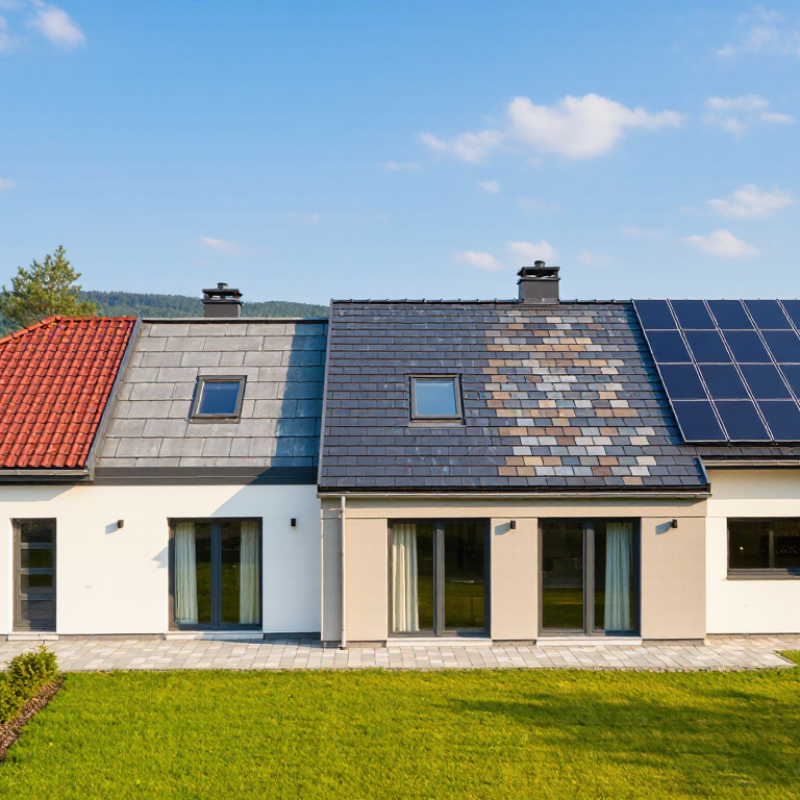
Roof tiles are classified by material, profile, and installation method. Common groups include clay, concrete, and natural stone, shaped as flat, interlocking, or curved units. These labels describe appearance, but not performance. ASTM C1167 sets requirements for clay roof tiles, while ASTM C1492 covers concrete tiles. Their testing frameworks help buyers compare durability-related properties rather than rely on color or shape alone.
Evaluation should consider weight, water absorption, freeze-thaw resistance, fire performance, and wind-uplift security. The National Association of Home Builders’ 2007 Study of Life Expectancy of Home Components estimates clay and concrete tile roofs can last about 100 years. That is a benchmark, not a promise. Poor underlayment, weak fastening, or cracked tiles can shorten service life. Wind exposure matters, too: a tile’s profile and fastening pattern affect how securely it stays attached. Ask for test documentation, installation requirements, and the roof structure’s load capacity. Look closely at edges and valleys. Small defects can hide there. Some comparisons still feel incomplete because local workmanship and weather are difficult to capture in a single rating.
The Main Types of Roof Tiles Available Today
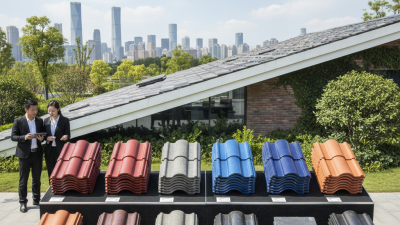
Roof tiles differ in material, weight, weather resistance, and installation needs.
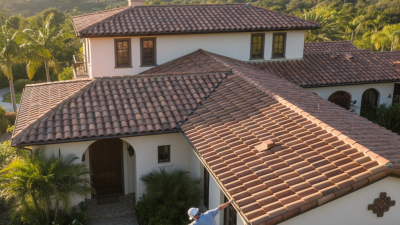
Clay tiles are fired from natural clay and often have a curved profile that sheds rain efficiently. Their warm colors suit many architectural styles. They can last for decades, but they are heavy and may crack under impact or in repeated freeze-thaw conditions.
Concrete tiles offer similar shapes at a generally lower material cost. They are also heavy, so the roof structure should be checked before installation.
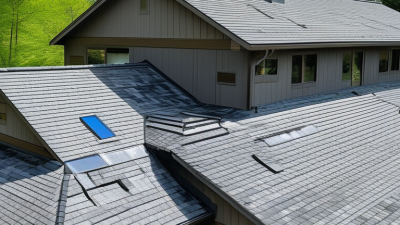
Slate tiles are cut from natural stone, giving each piece subtle variations in color and texture. Properly installed slate can be exceptionally durable, though it needs a strong roof structure and experienced handling. It is not a casual repair material.
Composite tiles, made from materials such as recycled polymers or rubber blends, are lighter and can imitate slate or wood. Their performance varies by product, so check published testing and warranty terms rather than judging by appearance alone.
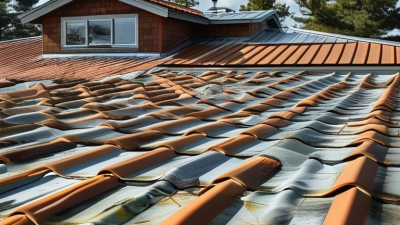
Metal tiles and tile-shaped panels provide another option, especially where lower weight matters. They can shed snow and rain well, but fastening details and protective coatings affect long-term performance.
The best choice depends on roof pitch, local climate, structure, and maintenance access.
I would not choose by color sample alone; a sample cannot show how a tile behaves after years of sun, wind, and foot traffic.
Even a good tile can fail if flashing or underlayment is poorly installed.
How Tile Materials Compare in Durability, Weight, and Cost
Clay, concrete, slate, and composite tiles differ sharply in weight, service life, and upfront cost. Clay often lasts for decades and resists fire, but it can crack after a hard impact. Concrete usually costs less than clay or slate, though its weight can require stronger roof framing. Slate is exceptionally durable, but its material and installation costs are typically high. Composite tiles are often lighter and easier to handle; their lifespan and price depend on the product’s construction.
Weight matters before appearance. On an older home, a roofer should check the structure before recommending heavy tile. A tile that looks affordable can trigger extra framing work. Climate matters, too: freeze-thaw cycles, wind exposure, and nearby trees affect performance. Ask for local project references and written details on tile weight, underlayment, and expected maintenance. I would not rely on a lifespan estimate alone; installation quality can change the outcome.
Tips: Compare installed quotes, not tile prices alone. Check whether the estimate includes tear-off, flashing, and repairs. Look closely at sample tiles in daylight. Small differences in color and texture become obvious across a large roof.
Which Roof Tiles Suit Different Climates and Building Styles
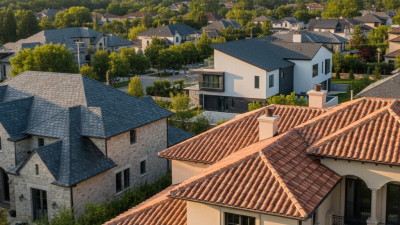
Climate should guide tile selection, not color alone. In hot, sunny regions, pale, reflective clay or concrete tiles suit Mediterranean, Spanish, and contemporary homes. The U.S. Department of Energy’s Energy Saver guidance reports that cool roofs can be up to 50°F cooler than conventional roofs under strong sun. That surface difference helps, but insulation and ventilation still matter.
In freeze-thaw climates, choose dense tiles with low water absorption; trapped moisture can crack weaker products. Slate complements steep, traditional homes, but its weight calls for a structural check before reroofing. Concrete tiles offer varied profiles for ranch and modern styles, yet framing and fasteners must suit their load and local wind exposure. Tile Roofing Industry Alliance installation guidance emphasizes matching underlayment and attachment methods to site conditions. Small details matter.
Coastal and storm-prone homes need tested wind-resistant assemblies, especially at ridges and eaves; heavier tiles alone do not guarantee security. In hot regions, light-colored clay can pair naturally with stucco, while slate often fits masonry architecture. There is no perfect tile. I would compare local freeze-thaw conditions, roof pitch, structural capacity, and repair access before choosing. Aesthetic preference counts, but it should not override climate evidence.
Key Factors for Choosing and Installing Roof Tiles in 2026
What Are the Best Roof Tile Types in 2026?
The best roof tile depends on your climate, roof structure, budget, and maintenance plans. Clay tiles handle heat well and offer a long service life, but their weight may require stronger framing. Concrete tiles come in varied shapes and finishes, though they can also add substantial load. Slate is durable and distinctive, but installation and repairs can be costly. There is no single winner. A tile that looks ideal on a sample board may not suit the roof beneath it.
Check the roof pitch and structure before ordering materials. Ask a qualified roofer to inspect the framing, measure the slope, and confirm that the underlayment suits local weather. In windy or rainy areas, fastening patterns and flashing around chimneys and valleys deserve careful attention. Ventilation matters, too; trapped heat and moisture can shorten the life of the roof assembly. Installation details vary by tile type, so do not assume one method fits every roof. Even a small measurement error can lead to awkward cuts or leaks.
Tips: Request written estimates that list tile type, underlayment, flashing, and labor. Compare samples outdoors, where sunlight changes their color. Keep a few spare tiles for future repairs. If two options seem equally suitable, reconsider maintenance access and total installed cost—not just appearance.