Why Choose a Sheet Roof for Your Home?
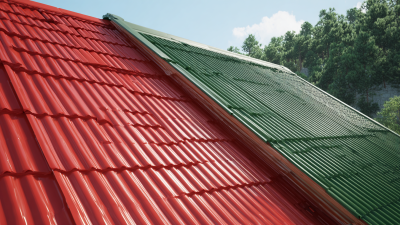
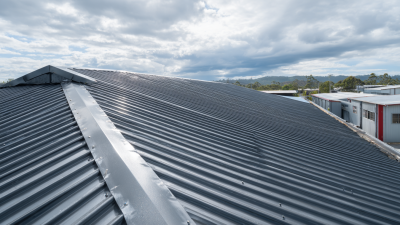
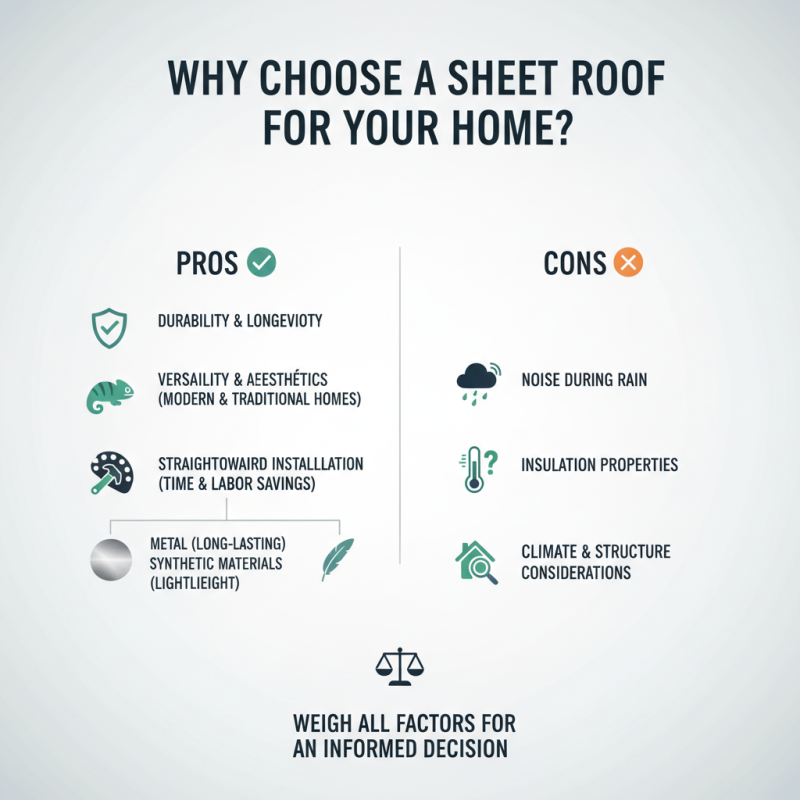
When considering roofing options, a Sheet Roof stands out for its versatility and practicality. Many homeowners are seeking long-lasting durability. A Sheet Roof offers an attractive solution. It can adapt to various styles, making it suitable for modern and traditional homes alike.
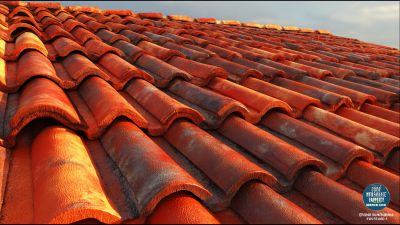
The installation process is typically straightforward. This can save time and labor costs. Additionally, Sheet Roofs are available in different materials. Each material has unique benefits. Homeowners can choose what best fits their needs. Some might prefer metal for its longevity. Others may opt for synthetic materials due to their lightweight nature.
However, not every option works for every house. It’s important to evaluate your home’s climate and structure. Some may find that the noise during rain is bothersome. Others might question the insulation properties. These concerns are valid and warrant consideration. Weighing all factors will lead to a well-informed decision. Ultimately, a Sheet Roof can enhance both aesthetics and functionality in your home.
Introduction to Sheet Roofing: Overview and Benefits
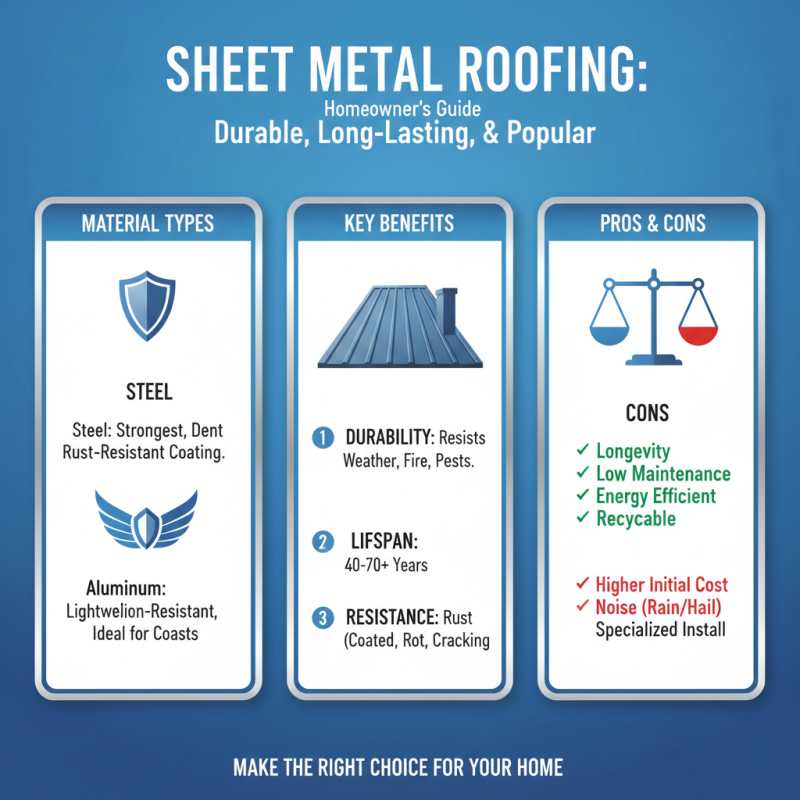
Sheet roofing has gained popularity for several reasons. It offers many benefits that can suit various home designs. One major advantage is its durability. Sheet roofs can withstand harsh weather conditions. They resist rust and corrosion, making them a smart choice for long-term investment. Additionally, these roofs are lightweight. This feature allows for easier installation and less structural stress on homes.
Tips: Consider the local climate when choosing a sheet roof. Different materials perform better in different conditions. Ensure proper installation to maximize lifespan. Regular maintenance checks are essential to detect potential issues early. A little care can go a long way.
Another benefit of sheet roofing is energy efficiency. Certain materials reflect sunlight, keeping homes cooler. This can lead to lower energy bills. However, not all sheet roofing options are equally energy efficient. Researching various materials is crucial. It can be tempting to pick based solely on appearance. But performance is equally important.
Choosing a sheet roof is an important decision. Weigh the pros and cons carefully. Visualize how it will blend with your home's style. Remember, the best choice is not just based on looks but also long-term performance.
Key Advantages of Sheet Roofs: Cost, Durability, and Maintenance
Choosing a sheet roof for your home has many advantages. Cost is a significant factor. Sheet roofs can be more affordable than traditional roofing options. They require fewer materials and less labor, which saves you money. This benefit makes them appealing for budget-conscious homeowners.
Durability is another key advantage. Sheet roofs can withstand harsh weather conditions and resist rust. They are often made from materials designed for longevity. However, not all installations are perfect. Poor installation can lead to leaks or other issues over time. Regular inspections are essential to maintain their integrity.
Maintenance is typically minimal. You can clean your sheet roof easily, reducing upkeep costs. Even so, some homeowners may forget to schedule regular checks. A simple tip is to inspect your roof twice a year. Look for signs of wear or debris buildup. Addressing small issues early can save you from expensive repairs later on. Remember, a little effort now can extend the life of your roof.
Installation Process: Steps to Install a Sheet Roof
Installing a sheet roof can be a rewarding project for homeowners. The installation process might seem daunting, but breaking it down helps. Start by gathering materials: sheets, fasteners, and safety gear. Don’t underestimate the importance of wearing gloves and goggles during this work.
Next, ensure that the roof surface is clear and level. Inspect for any damages that might need repairs. Lay out the sheets on the ground for proper alignment. This step prevents complications later on. It’s best to work on a calm day to avoid slips.
Then, begin fixing the sheets one by one. Use adequate fasteners to secure them. Check for any misalignment as you go. You may need to adjust the sheets a few times to achieve a perfect fit. This practice helps avoid leaks later. After installation, review your work. Inspect all joints and edges carefully. A few minor imperfections can impact performance. This extra attention pays off in the long run.
Benefits of Choosing a Sheet Roof
This chart illustrates the various benefits of choosing a sheet roof for your home, highlighting key advantages such as Cost Efficiency, Durability, Ease of Installation, and Aesthetic Appeal.
Environmental Impact: Sustainability of Sheet Roofing Options
When considering roofing options, sheet roofs stand out for their sustainability. Made from recyclable materials, they utilize less energy during production. This reduces their overall environmental footprint. Moreover, sheet roofing can last for decades, minimizing the need for replacements. This durability adds to its eco-friendly appeal.
Choosing the right material is essential. Opt for materials that are known for their recyclability. Some metal sheets, for instance, can be fully recycled at the end of their life cycle. Look for suppliers who prioritize sustainable practices in their manufacturing process.
To further enhance sustainability, consider installing reflective roofing sheets. These can reduce energy consumption by keeping homes cooler. Simple maintenance can also extend the life of your roof. Regular cleaning prevents debris buildup and damage. The less frequent need for repairs or replacement is an overlooked eco-benefit.