Top 10 Eco-Friendly Roofing Sheets for Sustainable Building?
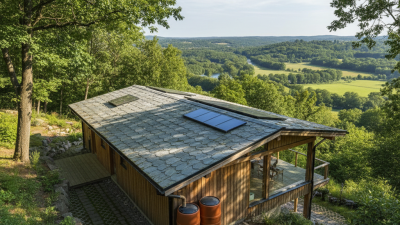
In the pursuit of sustainable building practices, the choice of materials is crucial. Eco-Friendly Roofing Sheets have emerged as a popular option among environmentally conscious builders. These roofing sheets combine durability with sustainability, reducing the overall carbon footprint of buildings.
Selecting the right roofing material can be overwhelming. Many products claim to be eco-friendly, but not all meet the necessary standards. It is essential to evaluate the composition, longevity, and performance of these materials. Understanding the environmental impact can influence long-term benefits.
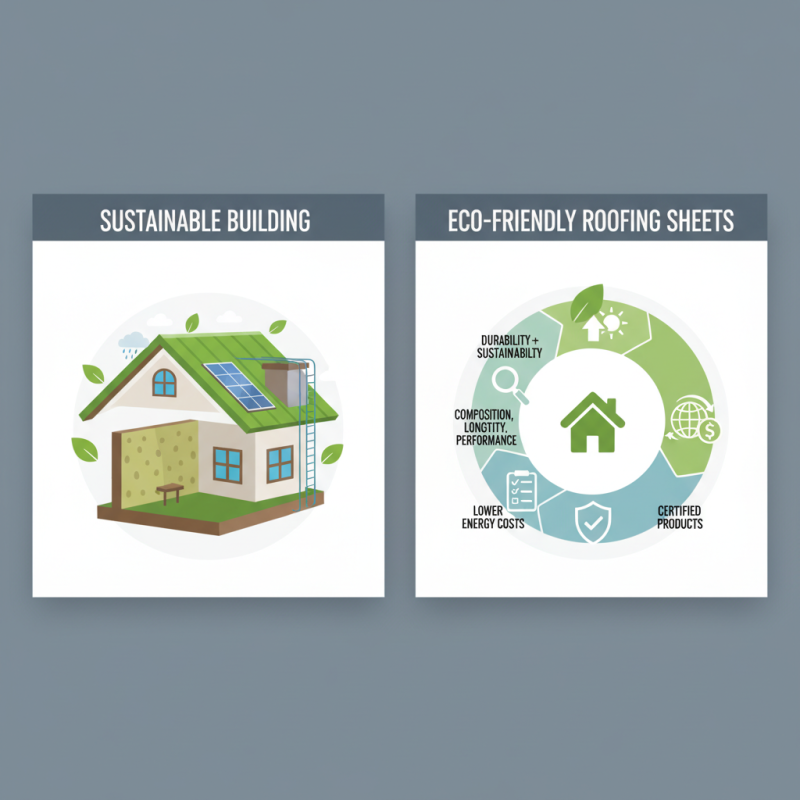
There is a growing need for transparency in this market. Consumers should seek products that are certified as sustainable. Eco-Friendly Roofing Sheets can significantly lower energy costs and enhance a building's resilience. However, not every product labeled "eco-friendly" provides adequate performance. A thoughtful approach is necessary for making informed decisions in this dynamic field.
Top 10 Eco-Friendly Roofing Sheets for Sustainable Building
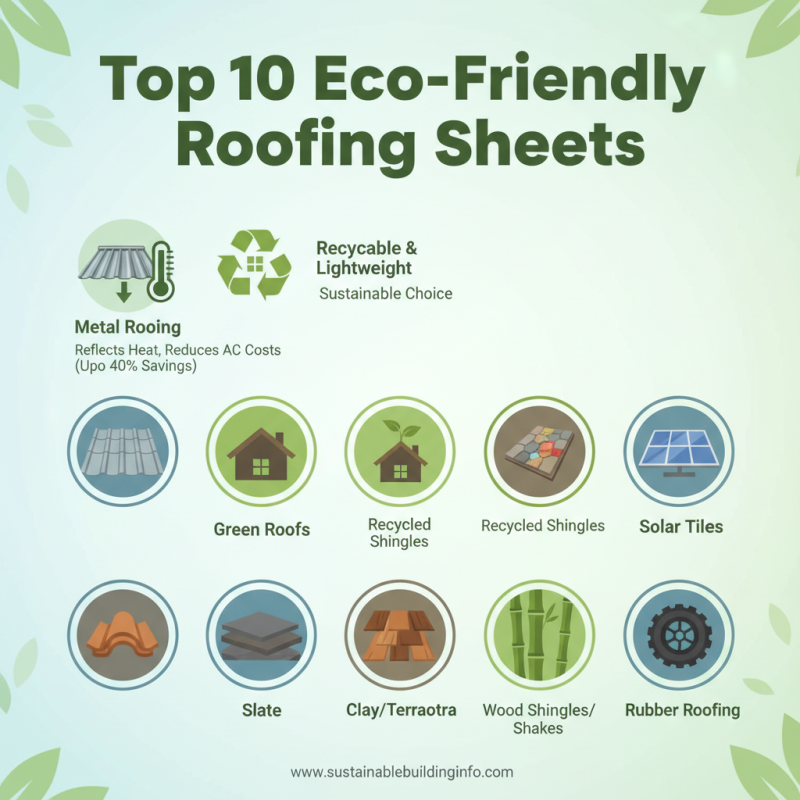
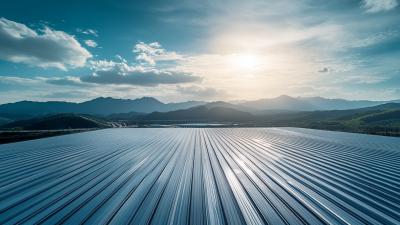
When considering eco-friendly roofing sheets, various materials stand out for their sustainability. Metal roofing, for instance, can reflect heat, reducing energy consumption. A study by the Metal Roofing Alliance noted that metal roofs can save up to 40% on cooling costs compared to traditional asphalt roofs. Additionally, lightweight and recyclable, metal choices are gaining popularity among environmentally conscious builders.
Another noteworthy option is rubber roofing made from recycled tires. This option boasts excellent durability and resistance to harsh weather. According to an analysis by the Environmental Protection Agency, using recycled rubber can significantly lower landfill waste. More builders are recognizing the benefits, yet this material often raises concerns regarding installation and long-term performance.
Lastly, bamboo roofing offers an innovative alternative. Fast-growing and renewable, bamboo captures CO2 as it grows, contributing to reduced greenhouse gases. However, sourcing bamboo responsibly is crucial. Some manufacturers may not adhere to sustainable practices. As the market evolves, educating stakeholders about these materials is necessary to ensure an eco-friendly building process.
Overview of Eco-Friendly Roofing Materials and Their Importance
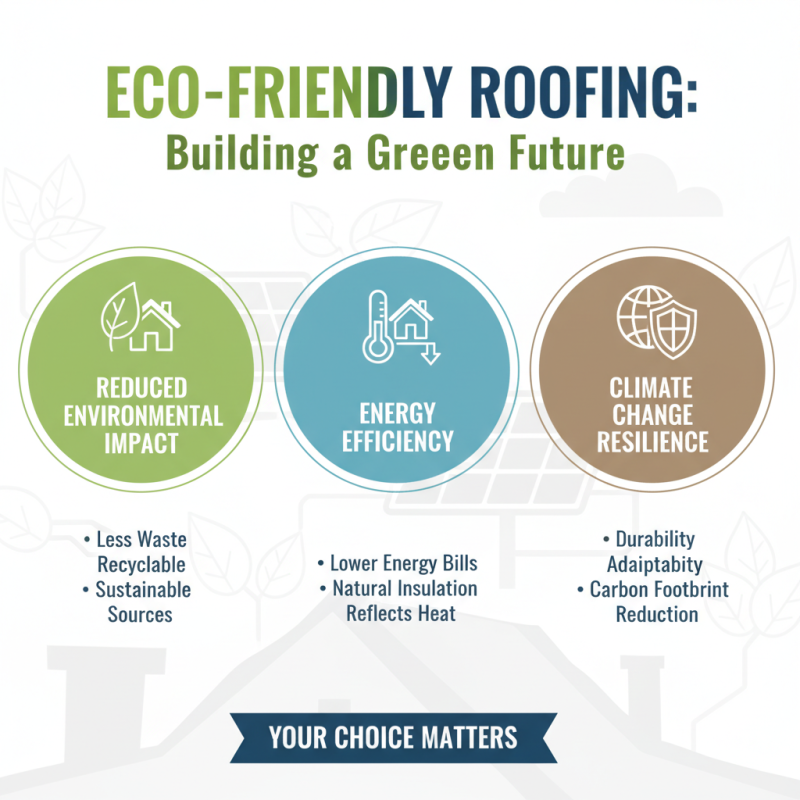
Eco-friendly roofing materials play a crucial role in sustainable building. They significantly reduce environmental impact and promote energy efficiency. As climate change continues to challenge our planet, choosing the right roofing material is essential for homeowners and builders alike.
One popular option is recycled metal. This material reduces waste and offers durability. Installation can be complex, and needing expert help is common. Another option is bamboo that’s lightweight and grows rapidly. However, sourcing quality bamboo can sometimes be tricky.
Tips: Consider the climate where you live. Some materials may perform better in specific weather conditions. Insulating your roof helps regulate indoor temperatures. Look for local options to support community economies.
Remember, not every eco-friendly choice is perfect. For instance, while organic shingles are biodegradable, they may require more frequent replacement. Reflecting on trade-offs is vital for making the best choice for your project. Always verify the sustainability claims of the materials to ensure authenticity.
Key Characteristics of Sustainable Roofing Sheets to Consider
When considering eco-friendly roofing sheets, various characteristics are essential for sustainable building. One significant factor is the material's recyclability. According to a report by the Green Building Council, over 80% of roofing materials can be repurposed at the end of their life cycle. This helps reduce landfill waste and lowers resource consumption for new materials.
Additionally, energy efficiency plays a vital role in sustainable roofing. Cool roofs, for instance, reflect sunlight and absorb less heat, leading to lower energy bills. Studies show that reflective roofing can reduce energy use by up to 20% in warming climates. This not only lowers operational costs but also mitigates urban heat island effects.
Durability is another critical aspect. Eco-friendly roofing sheets should withstand harsh weather for several decades. Research indicates that high-quality materials can last over 50 years with minimal maintenance, which saves resources in the long run. However, the challenge remains in balancing cost and longevity, as cheaper options may lead to more frequent replacements. It’s crucial to weigh these factors to optimize sustainability without sacrificing performance.
Comparative Analysis of Eco-Friendly Roofing Sheet Types
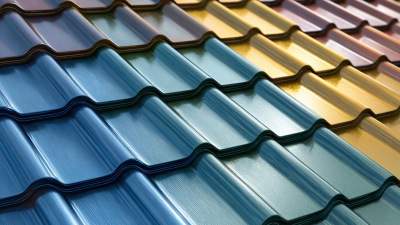
When considering eco-friendly roofing options, a comparative analysis reveals various materials with distinct advantages. Metal roofing, particularly aluminum and steel, is highly durable. Reports indicate that metal roofs can last over 50 years. They are also 100% recyclable, reducing landfill waste. However, their initial cost can deter many homeowners.
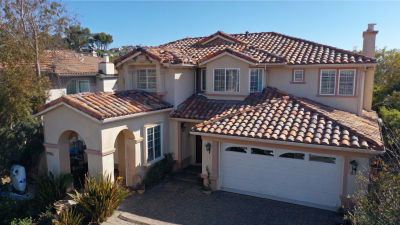
In contrast, clay tiles are another sustainable choice. They boast an impressive lifespan, often exceeding 100 years. Studies show they offer great thermal insulation, which can lead to decreased energy bills. Yet, clay tiles can be heavy, necessitating structural reinforcement, which may complicate installation.
Another option, green roofs, provides unique benefits. They contribute to urban biodiversity and improve air quality. However, they require considerable maintenance and a reliable waterproofing system. This complexity makes them less accessible for some projects. Homeowners should carefully evaluate these factors when choosing the right roofing solution for a sustainable building.
Top 10 Eco-Friendly Roofing Sheets for Sustainable Building
Industry Statistics: Impact of Sustainable Roofing on Energy Efficiency
Sustainable roofing plays a critical role in enhancing energy efficiency in modern buildings. According to recent industry reports, homes with eco-friendly roofing can save up to 25% on cooling costs. Highly reflective roofing materials reduce heat absorption. This can lead to a significant decrease in energy demand during hot months.
The U.S. Department of Energy estimates that sustainable roofs can lower overall energy consumption by influencing the urban heat island effect. In urban areas, buildings with green roofs or reflective sheets have been found to cool surrounding areas. Buildings with traditional roofing contribute to higher temperatures, negatively impacting local air quality.
Data from a recent sustainability report reveals that implementing sustainable roofing can reduce greenhouse gas emissions by nearly 40%. As awareness of climate change grows, more builders are prioritizing eco-friendly materials. However, the initial installation cost of these materials can be a point of hesitation. Eco-friendly options often require upfront investment, which may deter some property owners.
Conclusion
The article "Top 10 Eco-Friendly Roofing Sheets for Sustainable Building" provides a comprehensive overview of environmentally friendly roofing materials and their significance in promoting sustainable construction practices. It highlights the key characteristics that define sustainable roofing sheets, such as durability, thermal efficiency, and recyclability. A comparative analysis delves into various types of eco-friendly roofing sheets, emphasizing their benefits in reducing energy consumption and enhancing energy efficiency in buildings.
Additionally, the article presents industry statistics that reflect the positive impact of sustainable roofing on energy efficiency, supporting the case for wider adoption of these materials. Future trends in eco-friendly roofing technologies and practices are also discussed, showcasing innovations that promise to make roofing solutions even more sustainable. Overall, embracing Eco-Friendly Roofing Sheets is a crucial step toward ensuring environmentally responsible building practices.