What is Soundproof Roof Tile and How Does It Work?
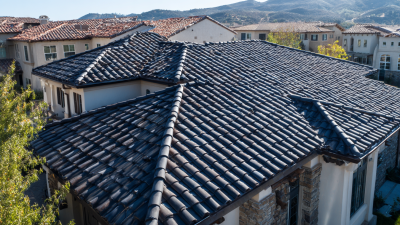
Soundproof Roof Tile is a revolutionary solution for noise reduction in residential and commercial buildings. Many people face issues with loud sounds from rain, hail, or nearby traffic. Soundproof Roof Tile can significantly minimize these disturbances. Its unique design absorbs sound, leading to quieter indoor environments.
This roofing option combines aesthetic appeal with functional benefits. It’s crucial to consider the materials used in these tiles. They should have effective sound-dampening properties to achieve the desired impact. Homeowners might wonder about installation costs versus long-term benefits. A well-installed Soundproof Roof Tile can add both value and comfort to a property.
Reflecting on traditional roofing methods, it’s clear there are limitations. They often fail to address excessive noise. Homeowners need solutions that effectively combine style and soundproofing. As this technology evolves, understanding its workings can lead to better choices in roofing solutions.
What is Soundproof Roof Tile?
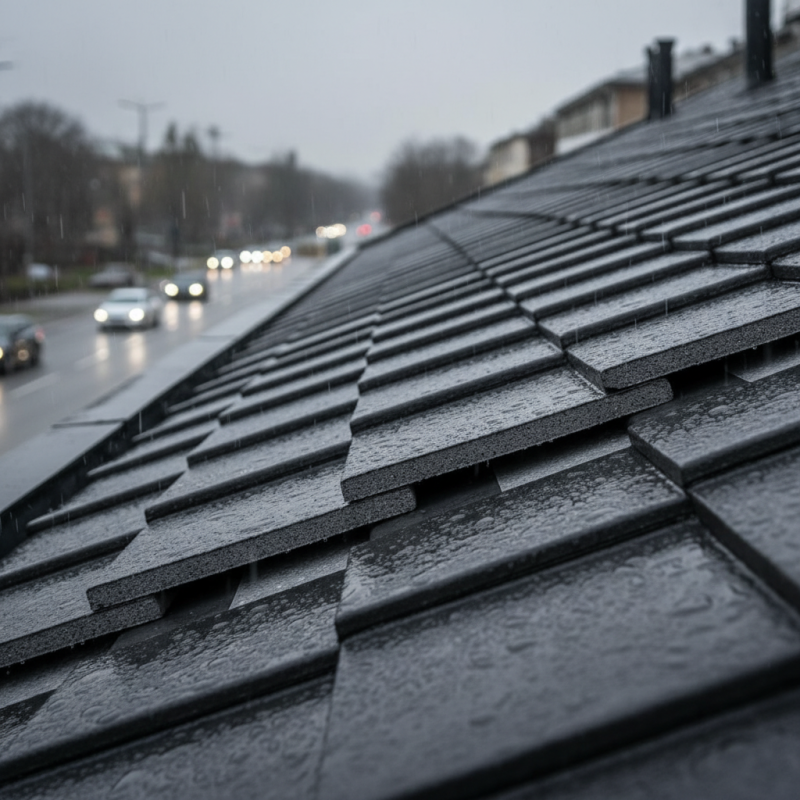
Soundproof roof tiles are designed to reduce noise penetration from the outside environment. These innovative materials provide a solution for urban homes, where noise pollution can disrupt daily life. According to market reports, soundproof roofing materials can reduce sound levels by up to 50%, making a noticeable difference in residential comfort.
The composition of soundproof roof tiles varies. They often incorporate multiple layers of dense materials. This structure helps to absorb sound waves effectively. In addition, some tiles feature specialized shapes that further hinder sound transmission. Studies show that roofs made with soundproofing technology can significantly decrease echo and exterior noise, enhancing the living experience.
While these tiles offer clear benefits, they don’t always guarantee complete silence. Installation can be complex, and poorly fitted tiles may still allow noise leakage. Some consumers report mixed results, indicating that the effectiveness often depends on the surrounding environment and the quality of installation. Understanding these factors is crucial for homeowners considering soundproofing options.
The Science Behind Soundproofing Materials
Soundproof roof tiles are innovative materials used to reduce unwanted noise. They act as barriers against sound waves. When sound hits a tile, the materials absorb or reflect it. This prevents noise from entering or leaving a space. The effectiveness of roof tiles largely depends on their density and composition. Thicker materials and specific textures can absorb more sound.
The science behind soundproofing materials is fascinating. Sound travels in waves, which can be disrupted by different materials. Foam, rubber, and specific composites are common choices. These materials can dampen vibrations and minimize noise transmission. Layering different types can enhance performance further. Each element plays a crucial role. There might be small gaps that allow sound to sneak through. Even high-quality materials can't eliminate all noise. It’s essential to analyze each situation carefully. Choosing the right materials is not always straightforward. Factors like installation, environment, and budget can complicate decisions. Trial and error might lead to better outcomes.
What is Soundproof Roof Tile and How Does It Work? - The Science Behind Soundproofing Materials
| Dimension |
Value |
| Material Type |
Ceramic, Concrete, Foam |
| Average Sound Reduction |
20-30 dB |
| Weight per Tile |
10-15 lbs |
| Thickness |
1-2 inches |
| Installation Method |
Directly on Roof Deck |
| Lifespan |
20-50 years |
| Eco-Friendliness |
Recyclable Options Available |
How Soundproof Roof Tiles Reduce Noise
Soundproof roof tiles are designed to reduce noise in residential and commercial buildings. According to a report from the National Institute of Health, nearly 50% of urban dwellers experience disrupted sleep due to external noise. This is where soundproof roof tiles come into play. They act as a barrier, absorbing sound waves and preventing them from entering living spaces.
These tiles are typically made from dense materials. They can include rubber, asphalt, or specialized foam that has sound-dampening properties. Research from the Institute of Acoustics shows that a properly installed soundproof roof can reduce noise levels by up to 35 decibels. This significant reduction helps create a peaceful environment, especially in noisy urban areas.
However, not all soundproofing solutions are perfect. While these tiles are effective, installation can be complicated and may require professional help. Some homeowners report issues with moisture buildup if not correctly ventilated. Balancing sound absorption with ventilation is often overlooked but crucial. Selecting the right materials and ensuring proper installation is essential. Nonetheless, soundproof roof tiles represent a valuable investment for anyone looking to enhance their comfort at home.
Installation Process of Soundproof Roof Tiles
Installing soundproof roof tiles can be a transformative process for any building. These tiles reduce outdoor noise efficiently. They work by absorbing sound vibrations. However, the installation requires careful planning and attention to detail.
Preparation is key. Begin by measuring the roof area accurately. You will need the right tools for cutting and fitting tiles. Remember to check for any existing leaks or damage before starting. A solid base will ensure better performance. Safety gear is essential while working at heights.
Once your roof is ready, apply a sound-dampening underlayment before placing the tiles. This step is often overlooked. Proper placement is crucial. Ensure each tile fits snugly to avoid gaps. These small oversights can affect overall effectiveness. Take your time, as quality work pays off in the long run.
Benefits of Using Soundproof Roof Tiles in Construction
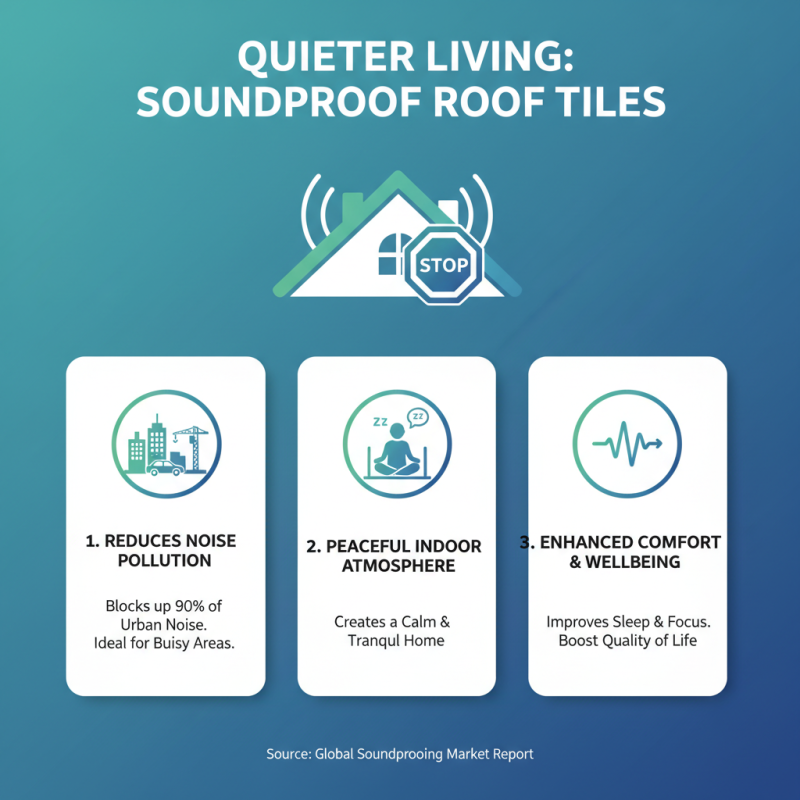
Soundproof roof tiles offer significant advantages in construction, particularly in urban environments. According to a recent report by the Global Soundproofing Market, buildings equipped with soundproof materials can reduce noise levels by up to 90%. This makes a substantial difference for residents living in densely populated areas. When traffic or construction noise becomes overwhelming, effective soundproofing can create a peaceful indoor atmosphere.
The use of soundproof roof tiles can also enhance energy efficiency. Many soundproof tiles are designed with insulating properties. This means they not only block sound but also regulate temperature, leading to lower energy costs. In studies, buildings utilizing soundproof roofing materials reported an average energy savings of 15% compared to those without. However, installation costs can be a barrier for some builders. The initial investment might deter budget-conscious projects.
Despite the clear benefits, there's still a learning curve. Many contractors are not fully trained in the best practices for installation. As a result, some projects may not achieve the desired acoustic performance. Continuous education in soundproofing techniques is necessary for industry professionals. This ensures that soundproof roof tiles provide their intended benefits effectively.