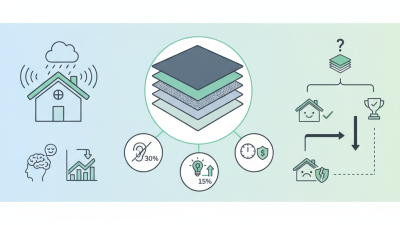
What is a Soundproof Roof Sheet and How Does It Work?
A Soundproof Roof Sheet is an innovative solution designed to reduce noise infiltration in buildings. According to a report by the Acoustic Society of America, noise pollution can severely impact mental health and productivity. The importance of using effective soundproofing materials is emphasized, particularly in urban settings where noise levels frequently exceed safe standards. Soundproof Roof Sheets are engineered to absorb and block unwanted sound, providing a peaceful environment.
The technology behind these sheets involves multiple layers of sound-dampening materials. This composition helps minimize sound transmission. Research shows that proper insulation can decrease noise by up to 90%. However, not all soundproofing solutions are created equal. Some products may claim benefits without supporting data, making it crucial for consumers to conduct thorough research.
While many individuals seek peace in their homes, the effectiveness of Soundproof Roof Sheets often varies. Factors such as installation quality and material selection play a significant role. Ensuring proper installation is imperative for achieving optimal results. As the demand for quieter living spaces grows, understanding how these sheets work becomes essential for homeowners and builders alike.

What is a Soundproof Roof Sheet?
A soundproof roof sheet is a specialized roofing material designed to reduce noise transmission. It is crucial for buildings located in noisy environments, such as urban areas or near highways. These sheets incorporate sound-dampening properties, often through materials like mass-loaded vinyl or foam. The idea is to create an acoustic barrier that absorbs sound waves, reducing the amount of noise that penetrates the interior space.
When selecting a soundproof roof sheet, consider the thickness and the material's density. Thicker materials usually provide better sound insulation. Installation is key; even the best products can underperform if not correctly fitted. Improper installation can lead to gaps, which allow noise to seep through. It's essential to ensure a tight seal around edges and overlaps to maximize soundproofing effectiveness.
While soundproof roof sheets are effective, they may not completely eliminate noise. Some users report lingering sounds, especially in very noisy environments. It’s worth reflecting on the specific needs of your space. Achieving total silence might not be realistic. Balancing soundproofing with ventilation and aesthetics is an ongoing challenge in design.
The Science Behind Soundproofing Materials
Soundproofing materials play a crucial role in creating quieter environments. The science behind these materials involves a mix of density and elasticity. Dense materials absorb sound energy, reducing noise levels effectively. This absorption is essential in areas like recording studios or residential buildings near busy streets. Elasticity, on the other hand, allows materials to withstand impacts, which helps in preventing sound vibrations from passing through walls and roofs.
Various soundproofing techniques combine different materials for maximum effect. For example, layers of mass-loaded vinyl and foam can be used together. The vinyl adds weight, while the foam dampens the sound. This layered approach is not always perfect. Gaps or weak points in the installation can lead to sound leaks. Furthermore, not every soundproofing solution is suitable for all situations. Each environment requires careful consideration of materials and methods.
Choosing the right soundproofing method can be challenging. One must think about the specific noise issues in their space. It’s essential to assess the existing structure and acoustic needs. Understanding the science behind soundproofing can lead to informed decisions. However, experimentation may be necessary to achieve the best results. Adjustments might be required after initial installation to ensure optimal performance.
How Soundproof Roof Sheets Reduce Noise Levels
Soundproof roof sheets serve as a practical solution for reducing noise levels in various environments. They typically consist of dense materials designed to absorb or block sound waves. When installed, they create a barrier that prevents external noise, such as traffic or rain, from penetrating living spaces. Homeowners and businesses alike benefit from this feature, creating quieter and more comfortable environments.
One critical aspect of soundproof roof sheets is their acoustic properties. The thickness and density of the material play vital roles in sound reduction. For instance, heavier sheets often offer better sound insulation compared to lighter ones. However, not all soundproof sheets are created equal. Some may not perform as expected if not installed properly. In real-world applications, users sometimes discover that specific sheet types do not fully eliminate sound.
In addition to acoustics, there is the practical side of installation. Professional installation can ensure optimal performance, but costs may increase. Some users opt for DIY approaches, which can lead to varying outcomes in noise reduction. Ultimately, selecting the right soundproof roof sheet involves balancing effectiveness, cost, and installation method. This reflection highlights how choices impact performance and satisfaction in reducing unwanted noise.
Soundproof Roof Sheet Noise Reduction Levels
Installation Process of Soundproof Roof Sheets
Soundproof roof sheets are an innovative solution for reducing noise pollution in buildings. The installation process is crucial for optimal performance. Begin by selecting the right material, such as mass-loaded vinyl or acoustic foam. These materials have been shown to reduce sound transmission by up to 80% in various studies.
To install soundproof roof sheets effectively, ensure that you measure the roof area accurately. Clean the surface thoroughly to allow for proper adhesion. Use an acoustic adhesive to bond the sheets to the roof. Employ a roller for even pressure to maximize the material's sound-dampening qualities. Sealing the edges with acoustic sealant helps prevent sound leaks. Always follow the specific guidelines provided with your materials for the best results.
It's wise to evaluate the noise levels in your area before installation. Consider the type of noise you wish to block, whether it's traffic or outdoor events. A professional consultation may help identify the best approach. Remember, even minor mistakes during installation can lead to significant sound leaks. Take your time to ensure precision, as a well-installed soundproof roof can transform your living space into a serene haven.
Benefits of Using Soundproof Roof Sheets in Construction
Soundproof roof sheets are becoming increasingly popular in construction. These specialized materials can significantly reduce noise pollution, especially in urban areas. A report by the World Health Organization indicates that persistent noise exposure can lead to health issues like stress and sleep disturbances. Soundproof roof sheets help combat these problems by acting as a barrier against unwanted sound.
The benefits of using soundproof roof sheets are manifold. They provide superior insulation while enhancing energy efficiency. Data from the Building Research Establishment shows that buildings with soundproofing materials can see a reduction in energy costs by up to 30%. This is crucial as energy expenses continue to rise. Additionally, these sheets often come with other environmental benefits, increasing overall building sustainability. They also offer a sense of serenity in spaces that require focus, such as offices or studios.
However, it is important to consider the installation process. Improper installation can lead to voids in sound insulation, diminishing effectiveness. Regular assessments can ensure the materials perform as intended over time. Overall, incorporating soundproof roof sheets is a smart construction choice to enhance comfort and energy efficiency.