What is Roof Tile Types and Their Benefits for Your Home?
Choosing the right roof tile is crucial for homeowners. Roof tiles come in various types, each offering unique benefits. According to the National Roofing Contractors Association, nearly 10% of homes in the U.S. use tiled roofs. This number highlights the popularity and reliability of roof tiles.
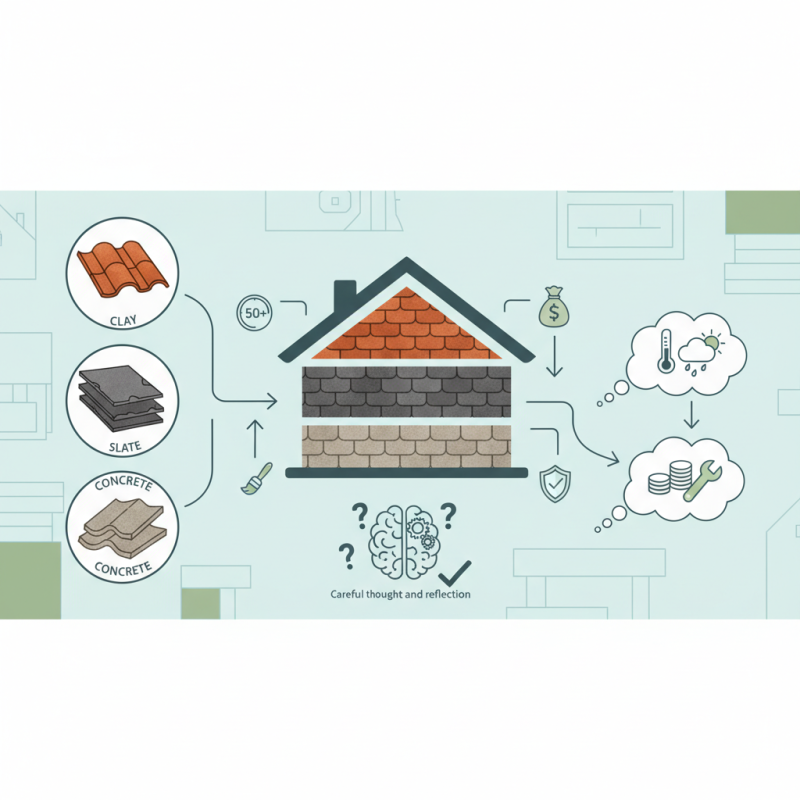
Roof tiles provide exceptional durability and aesthetic appeal. Clay, slate, and concrete tiles are among the most common choices. A study by the Tile Roofing Institute shows that roof tiles can last over 50 years with proper maintenance. This longevity can lead to considerable savings over time.
However, not all roof tiles are created equal. Homeowners must consider factors like climate and budget. Installation can be complicated and may require professional help. This raises questions about cost and value for many. Ultimately, choosing the right roof tile is a decision that merits careful thought and reflection.
Types of Roof Tiles: An Overview of Common Materials
Roof tiles come in various materials, each offering unique benefits for homeowners. Clay tiles are a popular choice due to their durability and aesthetic appeal. They can last over 100 years with proper maintenance. This longevity often makes them a cost-effective option. A study from the National Roofing Contractors Association highlights that homeowners can save up to 20% on energy costs with clay tiles due to their thermal properties.
Concrete tiles are another alternative, known for their strength and resistance to harsh weather. They can mimic the look of traditional tiles while remaining more affordable. A report by the U.S. Department of Energy indicates that concrete tiles contribute to significant energy efficiency. It’s crucial to weigh their weight against the existing structure, as some homes may require additional support.
Metal tiles are becoming increasingly popular. They are lightweight, recyclable, and can reflect solar heat, reducing cooling costs. A recent report cited that metal roofing can lower energy bills by up to 30%. Though metal can be more expensive upfront, its longevity and efficiency may justify the investment. However, consider the potential for noise during rain, which can be a drawback for some homeowners.
Roof Tile Types and Their Benefits
The Benefits of Clay Roof Tiles for Durability and Aesthetic Appeal
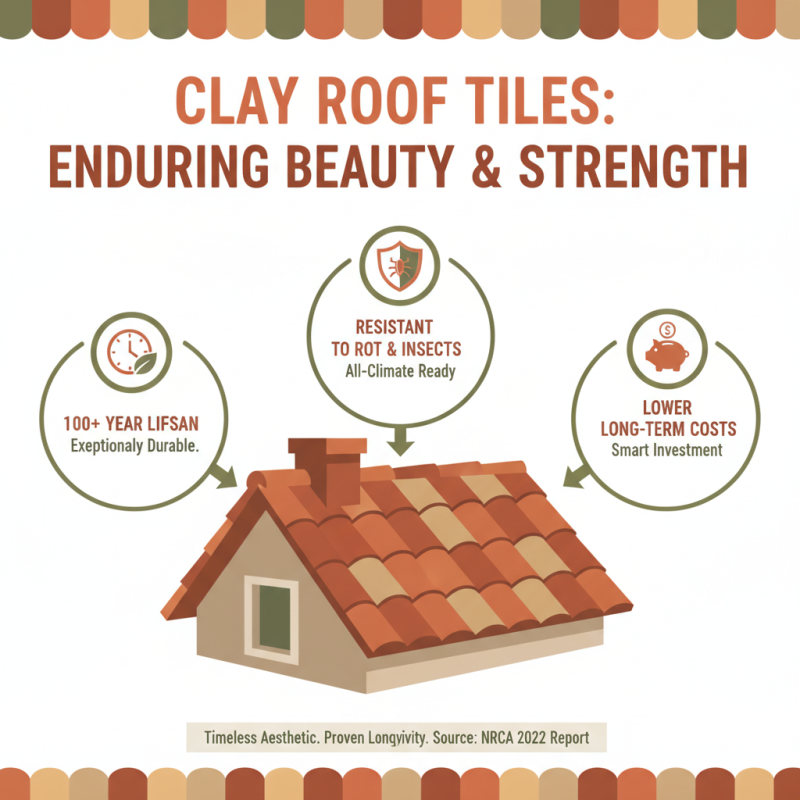
Clay roof tiles are increasingly popular due to their long-lasting durability and timeless aesthetic appeal. Studies show that clay tiles can last over 100 years with proper maintenance. Unlike other roofing materials, they are resistant to rot and insects, making them ideal for various climates. A 2022 report from the National Roofing Contractors Association highlighted that homes with clay roofs often have lower repair costs over time, contributing to long-term savings for homeowners.
The aesthetic advantages of clay tiles are significant. They come in various colors and textures, enhancing a home's visual charm. This versatility allows homeowners to match their roofing with architectural styles. The vibrant hues resist fading from UV exposure, which can be a major issue with synthetic materials. Additionally, clay tiles promote energy efficiency by providing natural insulation. A study by the U.S. Department of Energy found that homes with tile roofs can reduce energy costs by up to 30%.
However, there are some drawbacks to consider. Clay tiles can be heavier than other materials, requiring a reinforced structure. Installation can also be more complex, which leads to higher initial costs. It’s essential for homeowners to evaluate their specific needs and budgets. While clay tiles offer durability and beauty, these factors may challenge some homeowners' decisions. Understanding these trade-offs is key to making an informed roofing choice.
Understanding the Advantages of Concrete Roof Tiles for Homeowners
Concrete roof tiles offer several advantages that homeowners should consider. These tiles are incredibly durable, with a lifespan of 50 years or more. According to the National Roofing Contractors Association, concrete can withstand severe weather conditions, including strong winds and hail. It’s a sturdy option for many climates, making it a favorite among homeowners seeking long-term investments.
Energy efficiency is another significant benefit of concrete roof tiles. The California Energy Commission states that concrete tiles reflect sunlight, reducing heat absorption. This can lead to lower cooling costs during hot summer months, creating a more comfortable living environment. The insulating properties also help maintain consistent indoor temperatures, enhancing overall energy performance.
Despite these benefits, some homeowners may grapple with the weight of concrete tiles. Installation requires a strong roof structure, which might increase upfront costs. Additionally, potential repairs can be tricky. If a tile cracks, replacing it can be harder than with lighter materials. Homeowners should weigh these factors carefully before making a decision. Understanding both the pros and cons ensures a well-informed roofing choice.
Metal Roof Tiles: Longevity and Energy Efficiency Explained
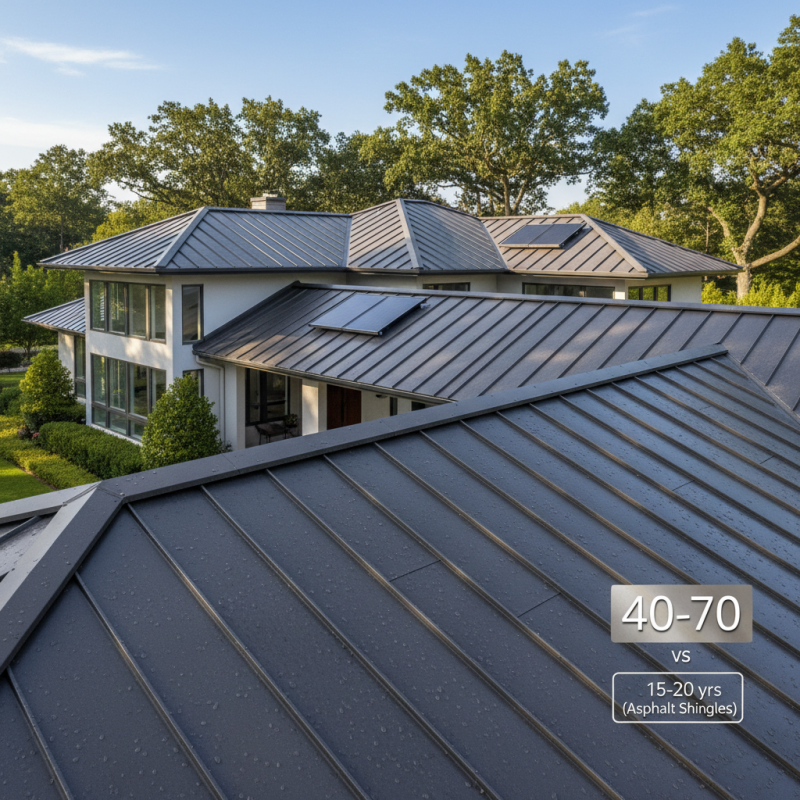
Metal roof tiles have gained popularity due to their longevity and energy efficiency. According to the Metal Roofing Alliance, metal roofs can last 40 to 70 years, significantly longer than traditional asphalt shingles that last around 15 to 20 years. This durability is a substantial benefit for homeowners. It reduces the frequency of roof replacements and the associated costs, which can add up over time.
Energy efficiency is another crucial aspect. Studies show that metal roofs can reflect solar radiant heat, which can lower cooling costs by up to 25%. This is particularly beneficial in hotter climates. The use of cool metal roofing materials helps regulate indoor temperatures. However, homeowners often overlook the initial installation cost, which can be higher than traditional roofing. It’s essential to balance upfront expenses with long-term savings.
While metal roofs are generally low-maintenance, they require some attention. For example, potential rust or corrosion can affect performance. Routine inspections can help prevent these issues. Additionally, metal roofs may produce more noise during heavy rain or hail. Sound-dampening materials can mitigate this, but they add to project costs. Not every homeowner is fully aware of these factors, highlighting the need for thorough research before installation.
Comparing Natural and Synthetic Roof Tiles: Which is Right for You?
When choosing roof tiles, the natural versus synthetic debate is vital. Natural tiles, like clay and slate, offer timeless beauty. They can last over a century with proper maintenance. Their textures and colors are diverse, providing a unique look to homes. However, they can be heavy and may require additional support. Installation can be more complex, leading to higher costs.
On the other hand, synthetic tiles are lightweight and often easier to install. They come in various styles, mimicking natural materials. This option is more affordable upfront. Many synthetic tiles are designed to withstand harsh weather. Yet, some worry about their longevity compared to natural tiles. How do they hold up over decades? Choosing between the two involves weighing aesthetics against practicality. Some homeowners may find themselves drawn to one but frustrated by its limitations.
Every choice comes with trade-offs. Natural tiles provide elegance but can be labor-intensive. Synthetic tiles offer convenience but might not satisfy those seeking authenticity. It's essential to reflect on your priorities before making a decision. Your roof is a long-term investment, and the wrong choice may lead to regrets down the line.
What is Roof Tile Types and Their Benefits for Your Home? - Comparing Natural and Synthetic Roof Tiles: Which is Right for You?
| Roof Tile Type |
Material |
Lifespan |
Benefits |
Drawbacks |
| Clay Tiles |
Natural clay |
50+ years |
Durable, fire-resistant, aesthetically pleasing |
Heavy, expensive, can crack |
| Concrete Tiles |
Cement mixture |
30-50 years |
Affordable, energy-efficient, variety of styles |
Heavy, can fade with sun exposure |
| Slate Tiles |
Natural stone |
75-100 years |
Long-lasting, unique appearance, environmentally friendly |
Very heavy, expensive, requires skilled installation |
| Asphalt Shingles |
Fiberglass or organic mat |
15-30 years |
Affordable, easy to install, wide range of colors |
Less durable, can be affected by wind and rain |
| Synthetic Tiles |
Recycled materials |
50+ years |
Lightweight, durable, customizable |
Variable quality, may not look as authentic |