Best Long Life Roofing Sheet Options for Durability and Cost Efficiency
When it comes to constructing or renovating a building, one of the most critical decisions revolves around the choice of roofing materials. Selecting the right roofing system not only enhances the aesthetic appeal of a structure but also ensures long-term durability and cost efficiency. Among various options available, the "Long Life Roofing Sheet" stands out due to its remarkable resilience and longevity. This roofing solution is designed to withstand harsh weather conditions, making it an ideal choice for homeowners and builders seeking a reliable roofing material that won't require frequent replacements.
In addition to its durability, Long Life Roofing Sheets offer significant cost benefits. While the initial investment may appear higher compared to traditional roofing materials, the long lifespan and minimal maintenance requirements translate into substantial savings over time. Homeowners can enjoy peace of mind knowing that their roof will endure for decades, providing excellent protection against the elements. This comprehensive overview will delve into the different types of Long Life Roofing Sheets available, assessing their durability and cost-efficiency, ensuring that readers can make informed choices for their roofing needs.
What to Look for in Long Life Roofing Sheets: Key Features
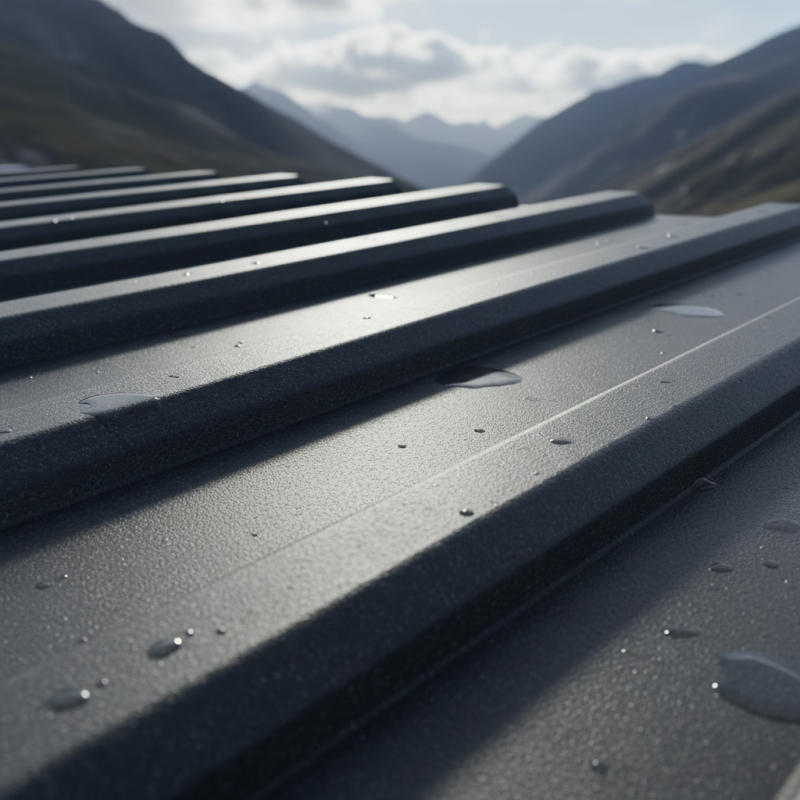
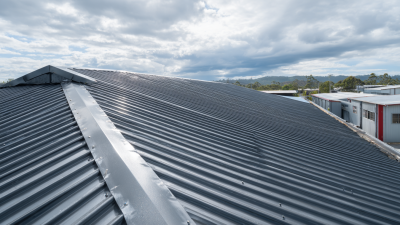
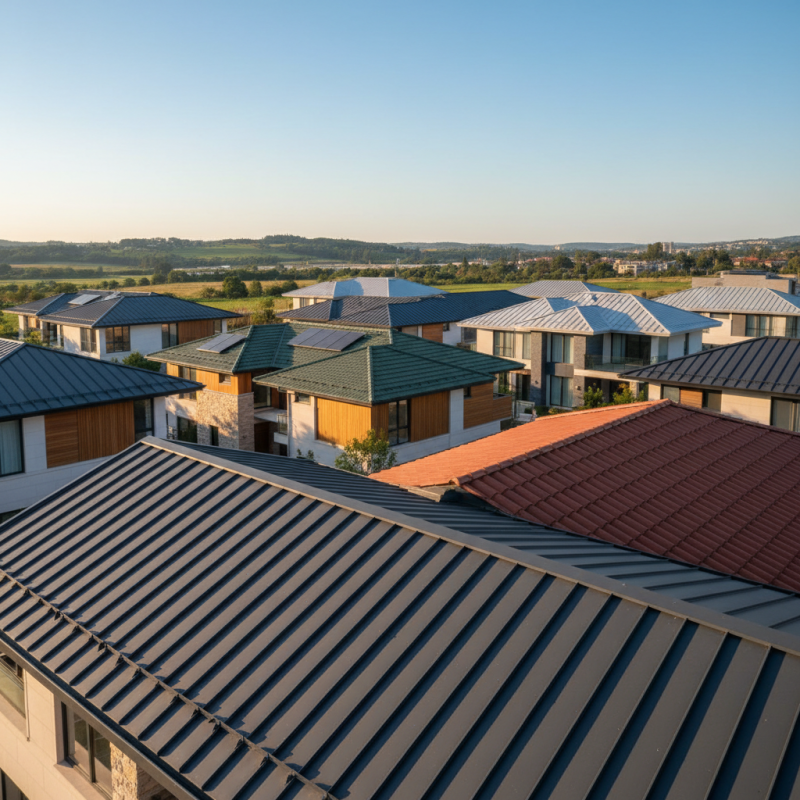
When selecting long life roofing sheets, it’s essential to consider several key features that impact durability and cost efficiency. One of the most significant factors is the material used in the roofing sheet. Choices include metal, fiberglass, or polycarbonate, each offering varying levels of strength and longevity. Metal sheets, for example, tend to have excellent resistance to weathering and impact, making them suitable for harsher climates. Additionally, the thickness of the sheet plays a crucial role in its durability; thicker sheets generally provide better insulation and longevity.
Another important feature to assess is the coating or finish applied to the roofing sheets. Protective coatings can enhance corrosion resistance and UV protection, thus extending the lifespan of the roofing material. Textured finishes not only add aesthetic appeal but also help in minimizing dirt accumulation, which can lead to wear over time. Proper installation techniques, alongside these features, are vital to maximize the roof's lifespan.
**Tips:** Always verify the warranties offered by manufacturers, as they provide insights into the expected longevity of the roofing material. Additionally, consider the local climate conditions; selecting a roofing sheet that can withstand salt spray in coastal areas, for instance, will ensure better performance. Regular maintenance checks can also help detect potential issues early, ensuring your roofing remains in excellent condition for years to come.
Top Materials for Durable Roofing Sheets: A Comparative Analysis
When selecting roofing sheets for longevity and cost efficiency, understanding the various materials available can significantly enhance your choice. Among the most popular materials are metal, asphalt shingles, and PVC.
Metal roofing sheets are lauded for their durability and resistance to extreme weather conditions. They can last over 50 years with minimal maintenance, making them a wise investment in long-term resilience. Asphalt shingles, while traditionally preferred for their lower initial cost, provide reasonably good durability if properly installed and maintained; they typically last 20 to 30 years.
On the other hand, PVC roofing sheets offer excellent waterproofing and UV resistance, making them ideal for flat roofs.
Tips: When considering roofing options, prioritize local climate conditions and the specific needs of your building. For instance, in areas prone to heavy snowfall, metal roofing can provide superior performance in shedding snow and reducing weight load. Additionally, consider the long-term energy savings that high-efficiency materials can bring, even if the upfront costs are higher.
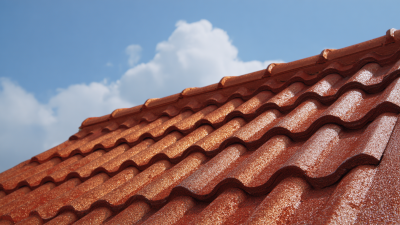
Another material worth mentioning is fiber cement, which combines the benefits of both durability and aesthetic appeal. Fiber cement sheets are resistant to fire, rot, and pests, and they typically last over 30 years. However, their installation may require more skilled labor, which could affect overall costs. Whichever material you choose, ensure that you consult with a knowledgeable contractor who can guide you based on your specific requirements and conditions.
Cost Efficiency of Long Life Roofing Sheets: Budgeting Tips
When planning to install long life roofing sheets, the cost efficiency of these materials is a crucial aspect to consider. Budgeting effectively requires an understanding of both upfront costs and long-term savings. Although long life roofing sheets may initially seem more expensive than traditional options, their durability often translates into lower maintenance and repair costs over time. This financial advantage is especially significant when you consider the added protection that these roofs provide against weather elements, which can extend their lifespan significantly.
To maximize the cost efficiency of your roofing project, it's essential to conduct thorough research and obtain multiple quotes from suppliers. Consider the total cost of installation, including labor and any additional materials needed, as these can impact your budget. Additionally, exploring financing options or seeking bulk purchasing discounts can yield significant savings. Remember that investing in high-quality roofing not only enhances your property's value but also minimizes future expenses related to repairs or replacements, contributing to overall cost efficiency in the long run.
Installation Considerations for Long Life Roofing Sheets
When considering the installation of long life roofing sheets, several factors come into play that can significantly enhance their durability and cost efficiency.
First and foremost, the choice of materials is crucial. Options such as galvanized steel, aluminum, or synthetic composites offer different benefits in terms of lifespan and cost.
While galvanized steel provides excellent rust resistance and longevity, aluminum is lightweight and highly resistant to corrosion, making it suitable for various climates.
Understanding the local environment will help in selecting the most appropriate material.
Another essential consideration is the roofing design and structure itself. Proper installation techniques, including the use of adequate underlayment and ensuring proper insulation, can greatly impact the longevity of roofing sheets.
Additionally, engaging qualified professionals for the installation process is vital, as improper installation can lead to issues such as leaks and structural damage, undermining the roofing's intended lifespan.
Furthermore, regular maintenance, such as cleaning gutters and inspecting for damage, should be part of the overall care plan to maximize the longevity and effectiveness of the roofing sheets.
Maintenance Practices to Maximize the Lifespan of Roofing Sheets
To ensure the longevity of roofing sheets, regular maintenance practices are essential. First and foremost, it’s important to conduct periodic inspections to identify any signs of wear and tear. Look for cracks, rust, or any accumulation of debris that can trap moisture and lead to further damage. Early detection of issues can save significant costs by preventing more extensive repairs down the line. Additionally, cleaning the roof regularly to remove dirt, leaves, and other materials can help maintain the integrity of the roofing sheets, ensuring they remain functional and aesthetically pleasing.
Another crucial aspect of maintenance is the treatment of roofing sheets with protective coatings. These coatings can shield the material from UV rays, severe weather, and corrosion, extending their usable life. Depending on the local climate and the specific materials used, homeowners should consider reapplying these treatments at recommended intervals. Furthermore, it’s advisable to ensure proper drainage around the roof to avoid pooling water, which can compromise the roofing material. By implementing these maintenance practices, the lifespan of roofing sheets can be maximized, providing both durability and cost efficiency over time.
Best Long Life Roofing Sheet Options for Durability and Cost Efficiency
Below is a bar chart representing the durability and cost efficiency of various roofing sheet options. The values indicate the lifespan (in years) and estimated cost per square meter (in USD).