2026 How to Choose the Best Residential Roofing Tiles for Your Home?
Choosing the right Residential Roofing Tiles can significantly impact your home’s aesthetics and energy efficiency. According to the National Roofing Contractors Association, approximately 80% of homeowners consider roofing material when upgrading their homes. This statistic highlights the importance of selecting the appropriate tile type for both durability and style.
Residential Roofing Tiles come in various materials, including clay, concrete, and slate. Each option offers distinct benefits and challenges. For instance, clay tiles are known for their longevity, lasting over 100 years with proper maintenance. However, they can be heavy and may require additional structural support. Consider local climate and architectural style when making your choice.
Moreover, energy efficiency plays a crucial role in modern roofing decisions. Studies show that light-colored tiles can reduce cooling costs by 20% in warmer climates. Yet, many homeowners overlook this factor. It’s essential to balance aesthetics with practical functionality. Reflecting on personal preferences and regional influences can lead to a more informed selection. This decision shapes not only your home's appearance but also its energy use for years to come.
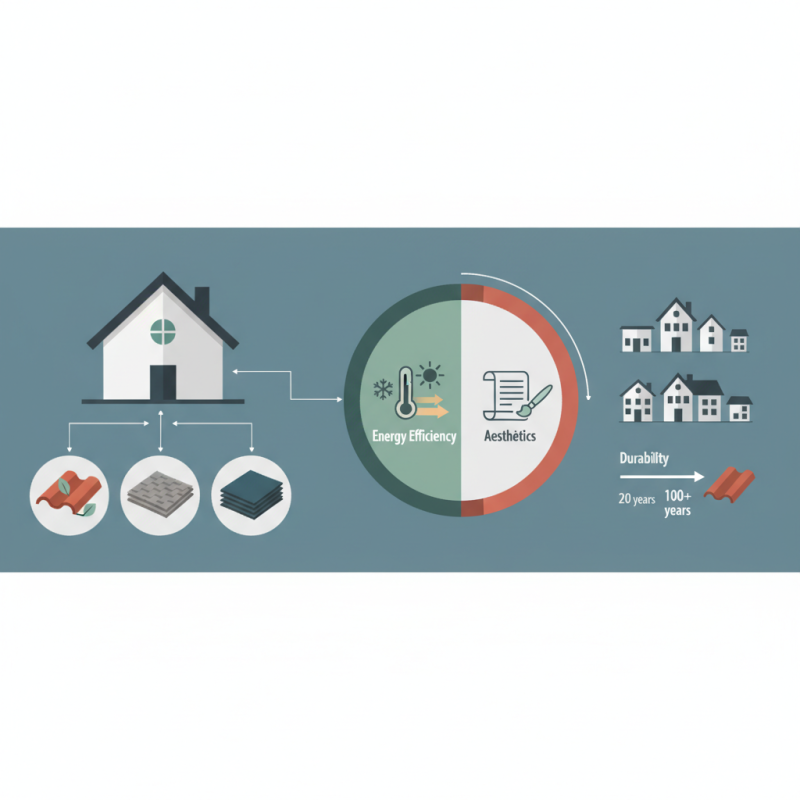
Factors to Consider When Choosing Residential Roofing Tiles
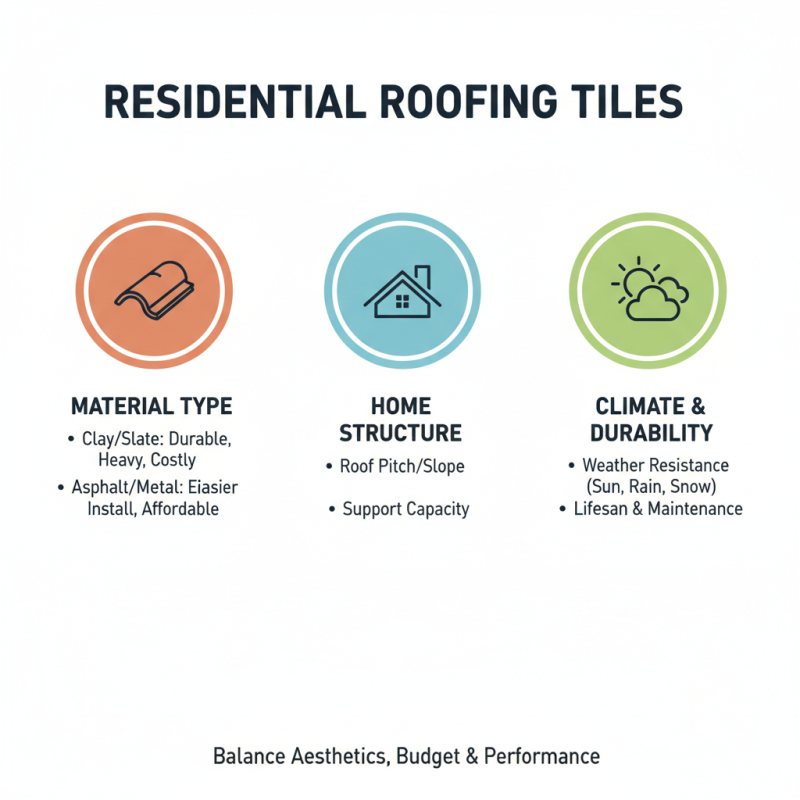
Choosing the right residential roofing tiles is essential for your home’s longevity and aesthetic appeal. Start by considering the material. Common options include clay, slate, and asphalt. Each has unique properties. For example, clay tiles are durable but heavy, while asphalt tiles are easier to install and lighter. Balance these factors with your home's structure.
Next, think about climate. Heavy rain or high winds can wear down certain tiles faster. Slate, while beautiful, may not be ideal in regions prone to storms. In contrast, asphalt performs well in various weather conditions. Also, consider insulation properties. A good roofing system can help regulate indoor temperatures. Look for tiles that enhance energy efficiency, particularly if you face extreme weather.
Finally, budget plays a crucial role. Quality tiles have a higher upfront cost but may save you money in repairs later. It's wise to assess long-term value rather than just initial expenses. Research local regulations and maintenance requirements too. This is often overlooked but can influence your choice significantly. Don’t rush the decision; weigh your options carefully.
Types of Residential Roofing Tiles and Their Features
When selecting residential roofing tiles, it's essential to understand the variety available. Popular options include clay, concrete, and slate tiles. Each type comes with its own benefits. Clay tiles are durable and energy-efficient. They can last some 50 years or more. Concrete tiles are versatile and affordable. They can mimic the look of wood or slate. Slate tiles, while expensive, offer unmatched beauty and longevity, often exceeding 100 years.
Beyond aesthetics, roofing materials have different performance characteristics. According to the National Roofing Contractors Association, the choice of roofing tile can impact home cooling and heating costs by up to 20%. Homeowners in sunny climates might benefit from reflective tiles that reduce heat absorption. Moisture resistance is another crucial factor. Clay and concrete tiles perform better in areas with heavy rain, reducing the risk of leaks.
Choosing the best tiles requires balancing cost, durability, and energy efficiency. Many homeowners might overlook the long-term savings potential of higher-quality materials. It's common to focus on upfront costs rather than future benefits. Regular maintenance and inspection can extend the life of any roof type. Ignoring these aspects may lead to significant repair costs down the line. Educating oneself on materials can guide homeowners toward informed decisions.
Durability and Maintenance Requirements of Different Roofing Tiles
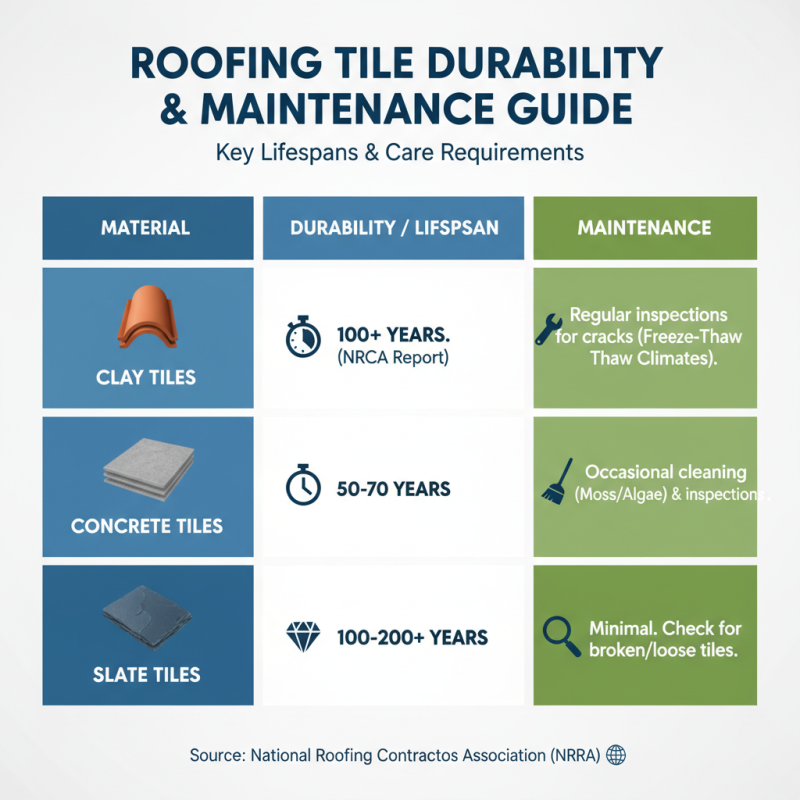
When selecting roofing tiles, understanding durability is crucial. Different materials offer varying lifespans and maintenance needs. Clay tiles can last over 100 years, according to a report by the National Roofing Contractors Association (NRCA). However, they require regular inspections to prevent cracks, especially in freeze-thaw climates.
Concrete tiles, while more affordable, may last around 50 years. They are often prone to algae growth. This necessitates periodic cleaning to maintain aesthetic appeal. On the other hand, metal tiles tend to be durable, with a lifespan of 40-70 years. They are resistant to wind and fire, making them a practical choice in some regions.
However, experts note that metal roofs can dent from hail, prompting further evaluation after storms. While slate tiles boast a lifespan of over 100 years, their weight requires sturdy support during installation. Therefore, it’s vital to assess your home's structure beforehand. These factors highlight the significance of professional guidance in selecting the right roofing material.
Aesthetic Choices: Color and Style of Roofing Tiles
Choosing the perfect roofing tiles is more than just practicality; it's also about aesthetics. Your home's exterior deserves a look that reflects your style. Color and style are critical components in creating that visual appeal. Light tones can make a home appear larger, while darker shades add depth. Think about how the roof color interacts with your walls and landscape.
Consider the materials as well. Terracotta tiles give a rustic feel, while sleek metal provides a modern edge. The shape of the tiles also influences the overall look. Flat tiles can lend a minimalist appearance, whereas curved tiles add elegance.
Don't rush this decision. Take time to visualize how different combinations will look. Enlist help from design professionals if needed. Remember, this choice impacts your home for years. Design trends change, but the beauty of your home should stand the test of time. Be sure to choose something both stylish and functional.
2026 How to Choose the Best Residential Roofing Tiles for Your Home? - Aesthetic Choices: Color and Style of Roofing Tiles
| Roofing Tile Type |
Color Options |
Style Variations |
Durability (Years) |
Cost Range (per sq ft) |
| Clay Tiles |
Terracotta, Red, Brown |
Spanish, Italian, Flat |
50+ |
$4 - $10 |
| Slate Tiles |
Grey, Black, Green |
Natural, Cut, Textured |
75+ |
$7 - $15 |
| Concrete Tiles |
Brown, Grey, Red |
S-Shaped, Flat, Mission |
30-50 |
$3 - $8 |
| Asphalt Shingles |
Black, Grey, Brown |
3-Tab, Architectural |
15-30 |
$1 - $3 |
| Metal Tiles |
Galvanized, Painted, Coated |
Standing Seam, Shingle Look |
40+ |
$5 - $12 |
Energy Efficiency and Insulation Properties of Roofing Tiles
Choosing the right roofing tiles for your home is essential.
Energy efficiency is a significant factor. The right tiles can reduce your heating and cooling costs by up to 30%. According to the U.S. Department of Energy, reflective roofing can lower roof temperatures by over 50 degrees Fahrenheit. This can greatly impact your home's energy consumption.
Insulation properties are also vital. Roofing tiles with high thermal resistance can keep heat inside during winter and outside during summer. A study by the National Roofing Contractors Association revealed that homes with insulated roofs report a 20% reduction in energy usage. However, not all roofs provide the same level of insulation. It's crucial to consider the materials used in production.
Many homeowners overlook the long-term benefits of investing in energy-efficient roofing. Some tiles may have lower upfront costs but can lead to higher energy bills later. This trade-off can be a hard decision. Research indicates that investing in high-quality roofing may increase a home’s value by 15%. Balancing initial costs with long-term savings is key.