How to Estimate Tile Roof Cost for Your Home?
Estimating tile roof cost can be challenging for homeowners. Tile roofs are popular due to their durability and aesthetic appeal. However, understanding the expenses involved is crucial.
Several factors influence tile roof cost. The type of tile chosen can greatly affect the overall price. Clay tiles, for example, are often more expensive than concrete tiles. Installation costs also play a role; skilled labor is essential for a proper roofing job. Additionally, local markets may vary in pricing.
Homeowners should also account for maintenance and potential repairs in their budget planning. Neglecting these aspects can lead to unforeseen expenses. Understanding tile roof cost ensures better decision-making. Knowledge is power, especially when investing in your home.
Understanding the Types of Tile Roofs Available for Your Home
When considering tile roofs for your home, it's essential to understand the various types available.
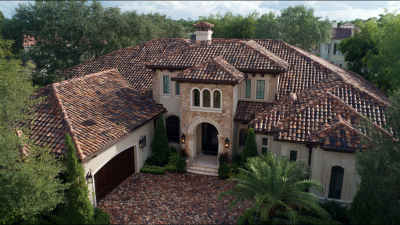
Clay tiles are popular due to their durability and aesthetic appeal.
They come in a range of colors and styles, easily blending with different architectural designs.
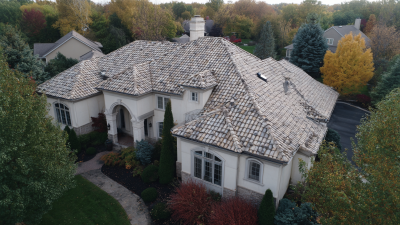
Concrete tiles are another option, known for their affordability and versatility.
They can mimic the look of clay tiles while offering better resistance to harsh weather.
Slate tiles, while more expensive, provide an elegant and natural look.
This material is highly durable and can last for decades. However, the weight of slate requires proper structural support.
Each type of tile roof has unique benefits and drawbacks, which can influence the overall cost of installation.
It’s crucial to assess your budget and the specific needs of your home.
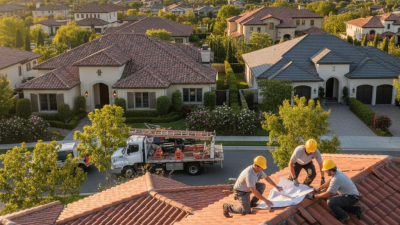
Installation can be complex and requires skilled labor.
DIY approaches are not recommended for tile roofing, as it demands expertise.
Factors like local climate and roof pitch can also affect the decision.
Reflecting on these aspects will help ensure you make an informed choice that aligns with your home's needs.
Factors That Influence the Cost of Tile Roof Installation
When estimating the cost of tile roof installation, several factors come into play. The material itself is a significant contributor. Tile roofs can use different types of tiles, including clay, concrete, or slate. Each type has a varying cost and durability. Clay tiles are often more expensive than concrete but may last longer. The choice of material can drastically influence your overall budget.
Labor costs are another key factor. Skilled roofing professionals are often required for tile installation. This often results in higher labor costs compared to other roofing types. Geographic location also plays a vital role. In regions where tile roofs are popular, labor might be more accessible. In less common areas, finding experienced roofers may cost more. Weather conditions and the complexity of the roof’s design can add to labor expenses too.
Finally, existing roof conditions can affect overall costs. If the current structure needs repairs or reinforcement, that adds to the expense. Homeowners should seek detailed estimates from professionals. Understanding these factors can lead to better budgeting. Keep in mind that investing in quality materials can save money in the long run. A strong roof protects your home and enhances its value.
Calculating Material Costs for Tile Roofing
When estimating tile roofing costs, material prices are a major factor. Tile roofs can be made from various materials, such as clay or concrete. Each type varies in cost, durability, and aesthetic appeal.
Clay tiles often offer a longer lifespan, while concrete tiles can provide excellent value for money.
To calculate material costs, begin by measuring the roof area. Use a ladder safely to access the roof, if necessary. It’s crucial to determine the square footage accurately. Standard tiles usually cover about 100 square feet per square. After calculating the area, multiply by the cost per square of your chosen tile material.
Don't forget to factor in waste—around 10% is a good estimate for cuts and breakage.
Keep in mind that labor costs also play a significant role in overall expenses. Hiring a skilled contractor can lead to higher initial costs but may save money in the long run through quality work. It's essential to get estimates from multiple contractors.
This process can reveal unexpected pricing variations. Reflecting on all these aspects ensures a more informed decision when budgeting for your tile roof.
Estimating Labor Costs for Tile Roof Installation
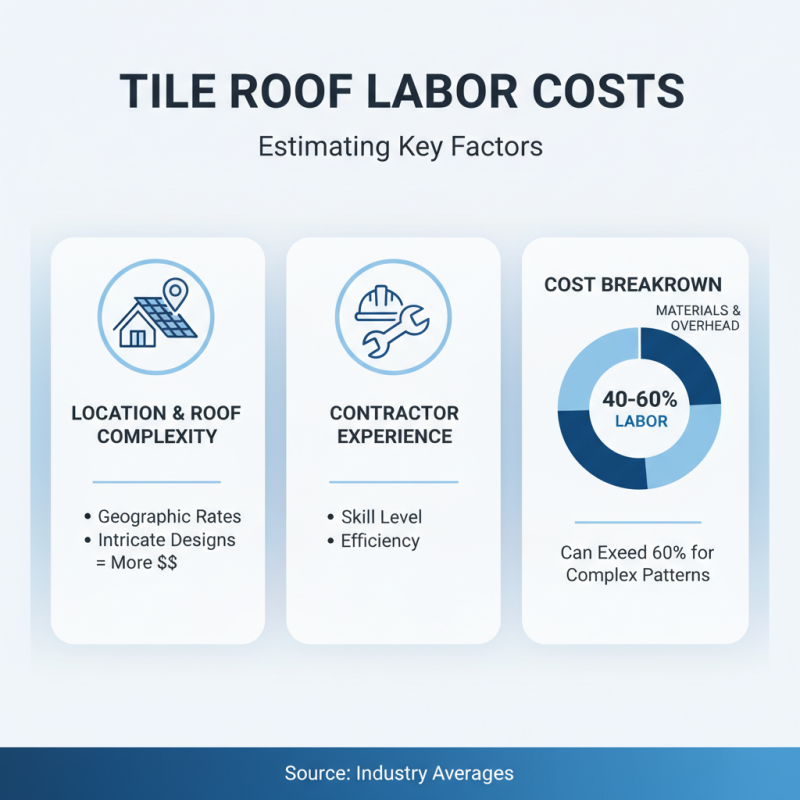
Estimating labor costs for tile roof installation involves several key factors. Labor costs can vary based on location, the complexity of the roof design, and the contractor's experience. On average, roofing labor accounts for 40% to 60% of the total installation cost. In some cases, it can be even higher for intricate tile patterns.
When choosing a contractor, experience matters. Hiring someone with a strong track record in tile roofing guarantees quality work. Always ask for references and check their previous projects. A skilled contractor will provide a detailed estimate that breaks down labor costs clearly. This transparency builds trust and helps you understand where your money is going.
**Tips:** Always compare multiple quotes. This practice helps you avoid overpaying for labor. Look for any hidden fees in the estimate. Don’t hesitate to discuss these with the contractor. Quality work may cost more, but it saves you from future repairs. Remember, investing in skilled labor often leads to fewer issues down the road.
Assessing Additional Fees and Long-term Maintenance Expenses
When estimating the cost of a tile roof, it's crucial to consider additional fees and long-term maintenance expenses. Beyond the initial installation cost, certain factors can impact your overall budget. For instance, permits, material shipping, and labor costs might add to your total. Researching your local market can help identify these extra fees.
Long-term maintenance is another significant aspect. Tile roofs, while durable, require regular inspections and occasional repairs. Over time, you may need to replace cracked tiles or address issues like leaks. Setting aside a maintenance budget can prevent unexpected expenses. It's also worth consulting with experts who understand the nuances of tile roofing. Their insights can guide you in making informed decisions about care and potential costs. Consider all aspects carefully. A small oversight today may lead to larger expenses tomorrow.
Estimated Tile Roof Cost Breakdown