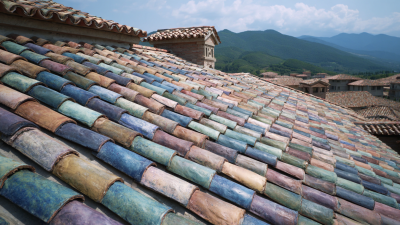
Why Choose Eco-Friendly Roofing Sheets for Sustainable Homes?
Eco-Friendly Roofing Sheets are becoming essential for sustainable homes. The construction industry is changing rapidly. According to a report by the International Energy Agency, buildings account for almost 40% of global energy-related CO2 emissions. This statistic highlights the urgent need for eco-conscious materials.
Experts like Dr. Emily Carter, a leading figure in sustainable architecture, emphasize the impact of roofing choices. She states, "Choosing the right roofing material can significantly reduce a home's carbon footprint." Eco-Friendly Roofing Sheets help achieve this goal. They are made from recycled materials and are designed to be energy-efficient. This makes them a smart choice for both the environment and homeowners.
While the benefits are clear, some challenges remain. Availability and cost can vary widely. Homeowners must do their research to find reliable suppliers. Understanding different types of eco-friendly materials is crucial. This knowledge enables better decision-making and promotes a sustainable future. Adopting Eco-Friendly Roofing Sheets can be a critical step for anyone looking to build or renovate responsibly.
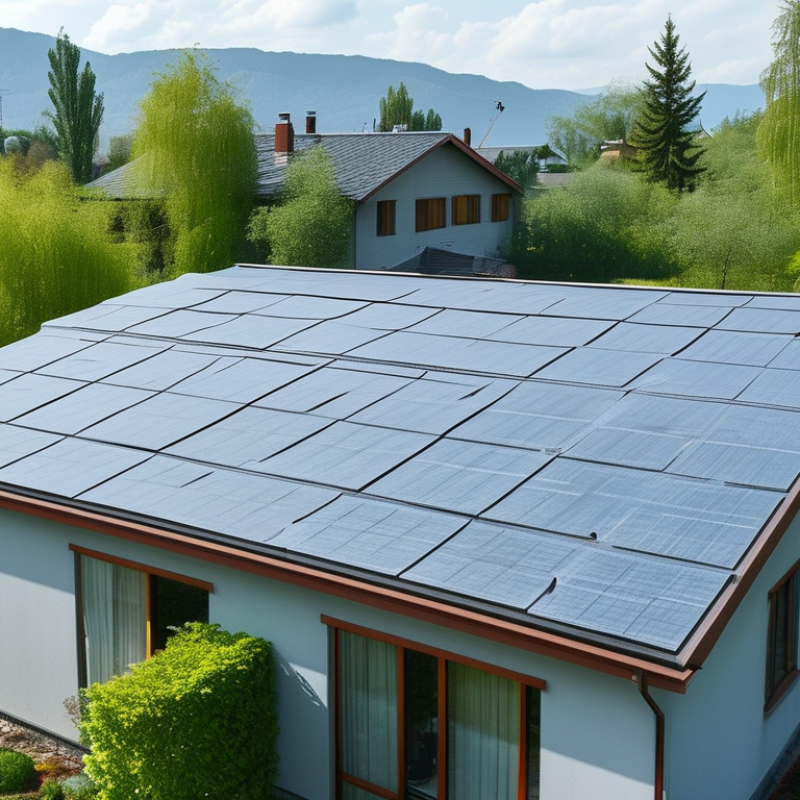
Benefits of Eco-Friendly Roofing Sheets for Sustainable Homes
Eco-friendly roofing sheets present numerous benefits for sustainable homes. They significantly reduce environmental impact. According to a report by the U.S. Environmental Protection Agency, up to 30% of a home’s energy can be affected by its roof. Eco-friendly materials, like recycled metal or sustainably sourced wood, can enhance energy efficiency. This can lead to lower energy bills and a more comfortable living space.
Installation of eco-friendly roofing can also improve water management. A study from the National Association of Home Builders indicates that reflective roofing materials can decrease roof temperature by up to 30%. This reduces heat absorption and minimizes urban heat island effects. Moreover, using permeable materials helps rainwater recharge groundwater supplies, aligning with sustainable practices.
However, not all eco-friendly options are without downsides. Some materials can have higher upfront costs. The long-term savings through energy efficiency may take years to offset this initial investment. Homeowners should thoroughly evaluate local climate and roofing trends before making a decision. While pursuing sustainability is commendable, a balanced assessment is necessary to ensure practicality and effectiveness.
Types of Eco-Friendly Roofing Sheets Available on the Market
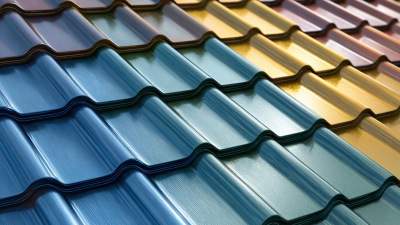
When considering eco-friendly roofing sheets, various types are available to enhance sustainability in homes. Metal roofing, particularly made from recycled materials, is gaining popularity. It can reflect solar heat, potentially reducing energy costs by up to 25%. Studies indicate that metal roofs have a lifespan of over 50 years, substantially longer than traditional asphalt shingles.
Another option is bamboo roofing sheets. Bamboo is a fast-growing plant that absorbs carbon dioxide effectively. A report from the International Bamboo and Rattan Organization highlights that bamboo can sequester up to 35% more CO2 than other materials. This makes bamboo an excellent choice for reducing a home’s carbon footprint. Additionally, these sheets offer natural insulation properties, keeping homes cooler in summer and warmer in winter.
Recycled rubber roofing is also noteworthy. Made from used tires, this type reduces landfill waste while providing durable roofing. Reports show that rubber roofs can last 30 years with minimal maintenance. Their energy efficiency is commendable, as they can lower cooling costs by 20% during warmer months. However, it’s essential to ensure proper installation, as improper fitting may lead to leaks and early deterioration. Each roofing option has distinct benefits and drawbacks, making careful selection crucial for sustainable living.
Environmental Impact of Traditional vs. Eco-Friendly Roofing Materials
The environmental impact of traditional roofing materials is significant. Asphalt shingles, commonly used in many homes, contribute to landfills when removed. According to the EPA, over 11 million tons of shingles are disposed of each year in the U.S. alone. Eco-friendly roofing sheets, made from recycled materials or natural substances, reduce this waste. They also minimize the carbon footprint of a home, helping to combat climate change.
Choosing eco-friendly options can also improve energy efficiency. Materials like metal and green roofs reflect more sunlight, reducing heat absorption. This leads to lower energy bills. The Department of Energy reports that proper insulation combined with reflective roofing can reduce cooling costs by up to 20%.
Tip: Consider the lifecycle of materials before installation. Sustainable choices may have higher upfront costs, but they offer long-term savings.
Tip: Look into local recycling programs for roofing materials. This can help reduce waste and support community efforts.
Awareness of your choices is crucial. Not all eco-friendly materials perform equally well. Research is needed to ensure you choose the best option for your home.
Cost-Effectiveness of Eco-Friendly Roofing Solutions for Homeowners
Eco-friendly roofing solutions offer significant cost-effectiveness for homeowners. Traditional materials often require frequent maintenance and replacements. In contrast, eco-friendly options tend to have longer lifespans. This durability reduces the need for costly repairs over time. Investing in these roofs can lower your overall expenditures.
Moreover, some eco-friendly roofing materials provide excellent insulation. This feature can lead to lower energy bills throughout the year. A well-insulated home stays warm in winter and cool in summer. Homeowners may notice a decrease in heating and cooling costs.
While eco-friendly roofs might come with a higher upfront cost, the long-term savings are notable. These materials also often qualify for tax incentives and energy rebates. Homeowners should weigh these benefits carefully. It’s essential to consider both immediate expenses and future savings. However, not every eco-friendly roofing solution is right for every home. Individual circumstances and local climate conditions play a role in effectiveness. Evaluating these factors can lead to more informed decisions.
Cost-Effectiveness of Eco-Friendly Roofing Solutions for Homeowners
Installation and Maintenance Considerations for Eco-Friendly Roofing Sheets
Installing eco-friendly roofing sheets requires careful planning. Homeowners should consider the materials’ benefits. Lightweight options can reduce structural strain. They are often easier to install and can save on labor costs. Optimal weather conditions are essential for a smooth installation, as wet or windy days may complicate the process.
Maintenance is another critical aspect. Eco-friendly roofs may require specific cleaning methods to prevent mold growth. Regular inspections ensure longevity and performance. Some materials might fade over time. This can affect the aesthetic appeal of your home. Homeowners should discuss possible maintenance needs with professionals before installation.
Choose the right installation team. An experienced contractor understands the nuances of different eco-friendly materials. They can help navigate the complexities of local regulations. Relying on professionals adds reliability to your project. However, not all contractors prioritize sustainability. It’s vital to research and select a qualified, trustworthy team.