Top Eco-Friendly Roofing Sheets for Sustainable Building in 2025
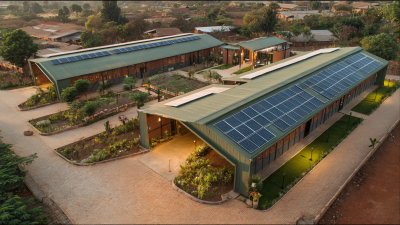
In the pursuit of sustainable building practices, the choice of materials plays a pivotal role in minimizing environmental impact. As we move towards 2025, the demand for eco-friendly solutions in construction continues to rise, with a particular focus on roofing materials. Among the leading options, "Eco-Friendly Roofing Sheets" emerge as a significant choice for eco-conscious builders and homeowners alike. These innovative materials not only enhance the aesthetic appeal of structures but also contribute to energy efficiency and reduced carbon footprints.
The transition to sustainable architecture calls for a comprehensive understanding of the various eco-friendly roofing sheets available in the market. These sheets are typically manufactured from recycled or renewable resources, designed to withstand the elements while ensuring minimal ecological disruption. In the following sections, we will explore the top features of these roofing solutions, their benefits compared to traditional alternatives, and how they can be integrated into modern building designs for a greener future. As society increasingly prioritizes sustainability, Eco-Friendly Roofing Sheets stand at the forefront of this essential transformation in construction practices.
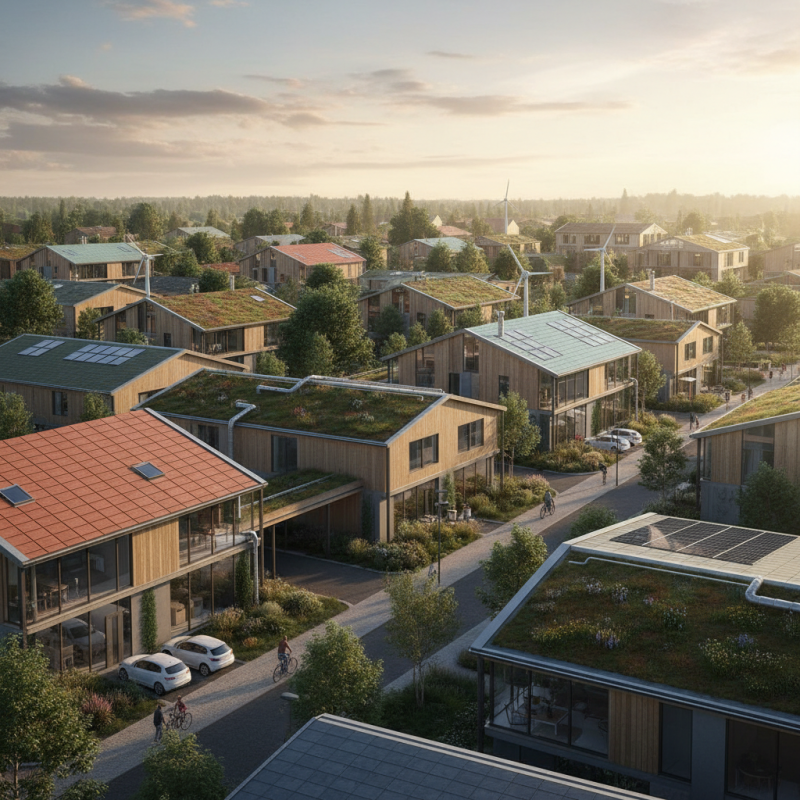
Top Eco-Friendly Roofing Sheets for Sustainable Building in 2025
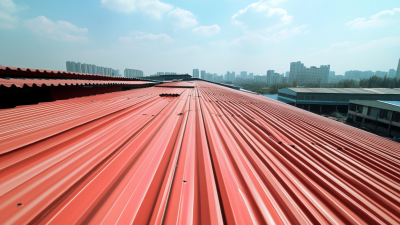
When considering eco-friendly roofing sheets for sustainable building in 2025, it’s essential to prioritize materials that minimize environmental impact while maximizing durability and energy efficiency. Recycled metal roofing is an excellent option, known for its longevity and resistance to extreme weather conditions. It reflects solar heat, helping to keep buildings cooler and reducing the need for air conditioning, resulting in lower energy costs.
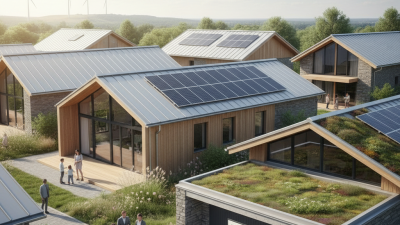
Another viable choice is green roofs, which utilize living vegetation to enhance insulation and support biodiversity. These roofs absorb rainwater, provide habitat for local wildlife, and improve air quality while reducing urban heat islands. By incorporating native plants, homeowners can create an aesthetically pleasing environment that contributes to the ecosystem.
**Tips:** When selecting eco-friendly roofing sheets, consider materials with high recycled content or those that are sustainably sourced. Additionally, look for certifications that indicate a product's environmental friendliness, such as ENERGY STAR or Green Seal. Lastly, consult with roofing professionals who specialize in sustainable practices to ensure proper installation and maintenance, maximizing the lifespan and effectiveness of your eco-friendly roof.
Top Eco-Friendly Roofing Sheets for Sustainable Building in 2025
Current Trends in Eco-Friendly Roofing Materials for 2025
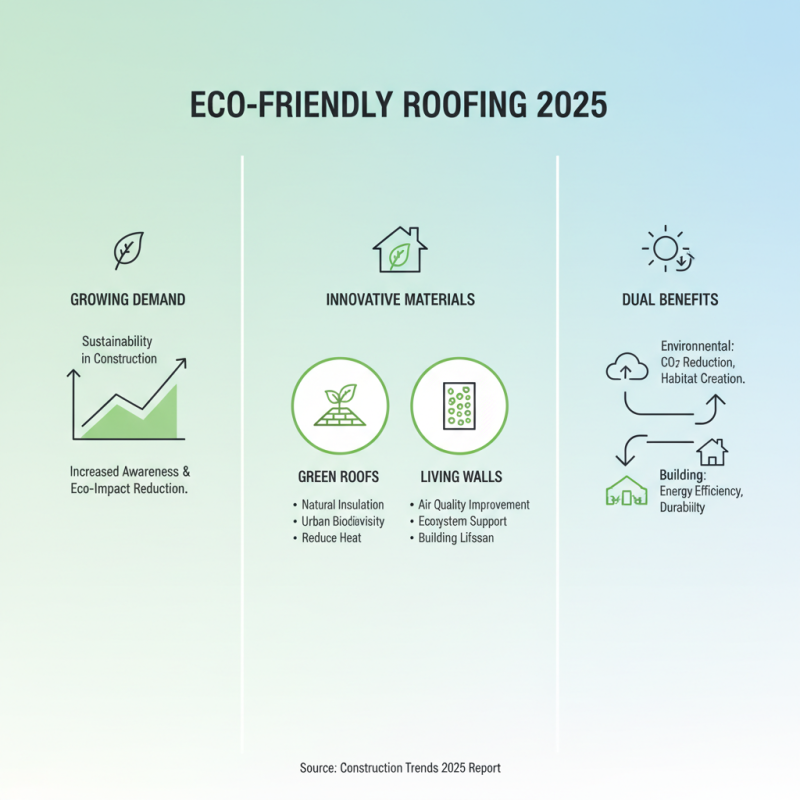
As we progress into 2025, the demand for eco-friendly roofing materials continues to rise, reflecting a growing awareness of sustainability in construction. Current trends spotlight several innovative materials and practices that not only enhance the lifespan of buildings but also minimize environmental impact. Among these, green roofs and living walls have gained traction, offering a dual benefit of natural insulation and urban biodiversity. By incorporating vegetation into roofing systems, buildings can effectively reduce heat absorption, improve air quality, and support local ecosystems.
In addition to plant-based solutions, recycled and upcycled materials are becoming popular choices for eco-friendly roofing. These materials often include reclaimed metal, rubber, and plastics, which help divert waste from landfills while providing durable roofing options. Furthermore, advancements in solar-integrated roofing sheets allow homeowners to harness renewable energy seamlessly, contributing to energy efficiency goals. This shift towards sustainable materials is being driven not only by environmental consciousness but also by government incentives and changing regulations that encourage the adoption of greener building practices.
Benefits of Using Recycled Materials in Roofing Sheets
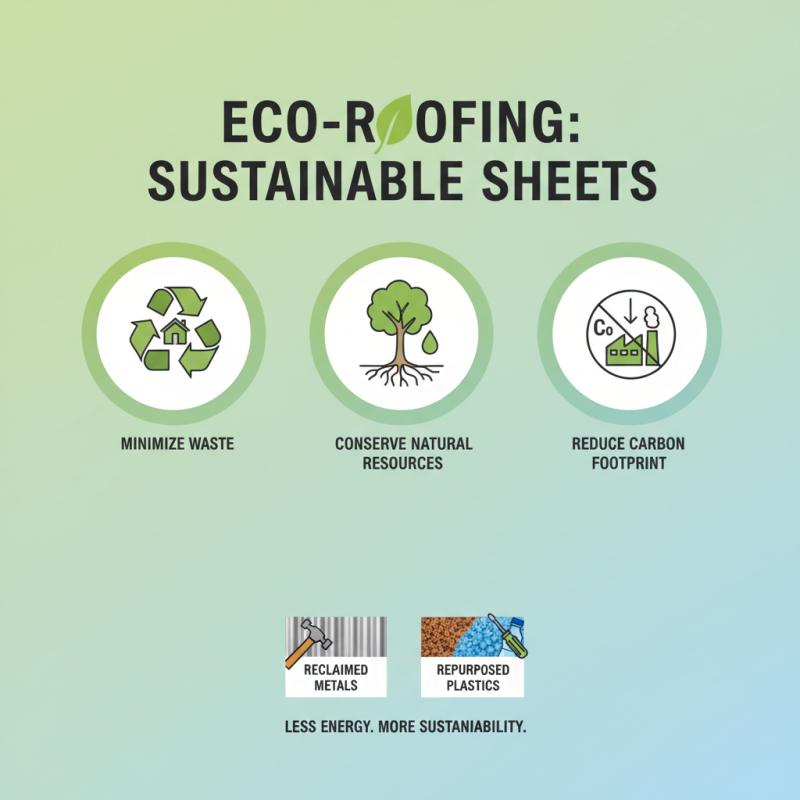
The use of recycled materials in roofing sheets presents numerous benefits for sustainable building practices. By choosing eco-friendly roofing options, builders not only minimize waste but also contribute to the conservation of natural resources. Recycled materials, such as reclaimed metals or repurposed plastics, significantly reduce the carbon footprint associated with manufacturing new roofing products, as these materials often require less energy to process and produce.
Furthermore, using recycled roofing sheets enhances the durability and longevity of buildings. Many recycled materials possess excellent resistance to environmental stressors, including extreme weather conditions and UV radiation. This resilience means that roofs made from recycled materials can offer superior performance while also reducing the need for frequent replacements, thereby lowering overall maintenance costs. In essence, incorporating recycled materials into roofing solutions is a smart choice for those committed to sustainability, leading to environmentally friendly structures that stand the test of time.
Comparative Analysis of Solar Reflective and Insulating Roofing Options
When considering eco-friendly roofing options for sustainable building in 2025, it’s essential to understand the benefits of both solar reflective and insulating roofing sheets.
Solar reflective roofing materials are designed to reflect more sunlight, thus reducing heat absorption and minimizing cooling costs in warmer months. This type of roofing is particularly beneficial in climates where air conditioning is a primary concern. By keeping interior spaces cooler, these materials not only boost energy efficiency but also help in prolonging the lifespan of the roofing itself.
On the other hand, insulating roofing options provide thermal resistance, keeping homes warm during colder months and reducing reliance on heating systems. These materials work by trapping air within their structure, which limits heat flow. As a result, structures with high insulating properties maintain comfortable temperatures year-round, leading to reduced energy consumption and lower utility bills.
Tips: When selecting roofing materials, consider the climate of your area and your specific energy needs. Look for products that offer both solar reflectivity and insulation; a combination of these features can yield even greater energy savings. Additionally, consult with a professional to ensure proper installation, as this can significantly impact the performance and durability of the roofing.
Impact of Eco-Friendly Roofing on Energy Efficiency and Building Ratings
Eco-friendly roofing plays a pivotal role in enhancing energy efficiency and improving building ratings. As more builders and homeowners prioritize sustainable practices, roofing materials that reduce energy consumption have become essential. Green roofing options, such as cool roofs and reflective membranes, are designed to minimize heat absorption, which can significantly lower cooling costs. By using these materials, buildings not only maintain comfortable indoor temperatures but also contribute to reduced greenhouse gas emissions.
Tips for improving your roof's energy efficiency include selecting materials with high Solar Reflectance Index (SRI) ratings, which are particularly effective in urban environments where heat absorption is heightened. Additionally, consider integrating green roofs or living roofs, which provide natural insulation and help with stormwater management. These roofs enhance the building’s overall performance, ensuring it meets higher sustainability standards and earns better ratings from environmental certifications.
Another effective strategy is to ensure proper insulation and ventilation in the roofing system. This combination helps reduce energy needs throughout the year, improving the overall energy efficiency of the structure. Regular maintenance, such as clearing debris and checking for leaks, also plays a crucial role in preserving the longevity and efficiency of eco-friendly roofing materials, making them a wise investment for sustainable building practices.
Conclusion
The article "Top Eco-Friendly Roofing Sheets for Sustainable Building in 2025" explores the latest trends and advancements in roofing materials that prioritize environmental sustainability. As the demand for eco-friendly solutions grows, this piece highlights the benefits of utilizing recycled materials in Eco-Friendly Roofing Sheets, which contribute to reducing waste and promoting circular economies.
Additionally, the comparative analysis of solar reflective versus insulating roofing options showcases how these choices significantly enhance energy efficiency and can impact building ratings positively. The article also discusses future innovations in sustainable roofing technologies, suggesting a promising trajectory for greener architecture in 2025 and beyond. By embracing Eco-Friendly Roofing Sheets, builders and homeowners alike can play a pivotal role in fostering a more sustainable future.