How to Determine Roofing Tiles Cost for Your Project?
When embarking on a roofing project, understanding the Roofing Tiles Cost is essential. Homeowners often overlook this vital aspect. The cost can vary significantly based on materials and installation choices.
Various factors influence these costs. Premium tiles, like slate or clay, may seem appealing but come with a higher price tag. Asphalt shingles offer a budget-friendly option but may lack durability. It's essential to assess your needs and long-term goals during this evaluation.
Researching local contractors can provide insights into labor costs. Some quotes may include hidden fees. Always ask for detailed breakdowns to avoid surprises. Balancing aesthetics with your budget requires careful consideration. While it's essential to select quality tiles, financial constraints shouldn't be overlooked.
Understanding the Different Types of Roofing Tiles and Their Costs
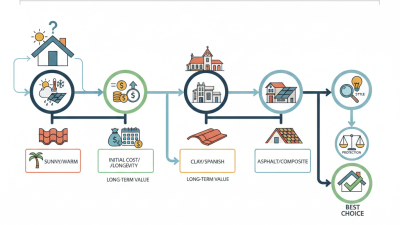
Choosing the right roofing tiles is crucial for your project. Many options exist, each with unique features and costs. Clay tiles stand out for their longevity and aesthetic appeal. They can last over 50 years but may cost more upfront. Slate tiles, known for their beauty, require professional installation due to their weight. This can drive up costs.
Concrete tiles are also popular. They offer durability at a lower price than clay and slate. While they are heavy, they can mimic the look of other materials. As a cost-effective option, asphalt shingles are widely used. They are easy to install but usually need replacement every 20 years.
Consider the climate when selecting tiles. Some materials handle heat better, while others resist cold. Think about maintenance needs too. More durable materials may require less frequent repairs. Budget accordingly. Each option has merits but also drawbacks. Assess your priorities to make the best choice.
How to Determine Roofing Tiles Cost for Your Project?
| Type of Roofing Tile |
Material |
Average Cost per 100 sq ft |
Lifespan (Years) |
| Clay Tiles |
Clay |
$300 - $700 |
50 - 100 |
| Concrete Tiles |
Concrete |
$200 - $500 |
30 - 50 |
| Slate Tiles |
Slate |
$600 - $1500 |
75 - 200 |
| Asphalt Shingles |
Asphalt |
$90 - $100 |
15 - 30 |
| Metal Tiles |
Metal |
$300 - $700 |
40 - 70 |
Evaluating Material Quality and Its Impact on Roofing Tile Prices
When considering roofing tiles for your project, material quality plays a crucial role in pricing. Higher-quality materials often come at a premium. For example, ceramic tiles may cost more than asphalt, but they provide superior durability and longer lifespan. This can lead to lower maintenance costs over time. Weighing the upfront investment against potential long-term savings is essential.
Some materials may also offer advantages, such as better insulation. This can reduce energy bills and enhance comfort. However, not every high-quality tile is suitable for every climate. A tile that performs well in one area may not hold up in another. Evaluating the specific needs of your region is vital.
Additionally, be wary of low-cost options marketed as high-quality. Sometimes, these tiles compromise on key features like fire resistance or impact durability. Researching different materials and their characteristics can help ensure you're making the right choice. A well-informed decision can ultimately lead to a successful roofing project and prevent future regrets.
Roofing Tiles Cost Analysis
Calculating Installation Costs: Labor and Additional Expenses Breakdown
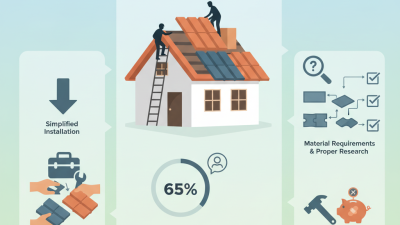
When planning a roofing project, labor costs significantly impact your total expenses. Research indicates that labor accounts for 40-60% of the total roofing cost. The variation depends on your location and the complexity of the installation. For instance, intricate designs and steep slopes require skilled labor, driving up costs. Always obtain multiple quotes to ensure a fair labor price.
In addition to labor, consider extra expenses. Permitting fees may add to the total cost, depending on local regulations. On average, homeowners should expect to pay between $500 and $1,500 for permits. Material disposal fees also play a role, especially when dealing with old roofing materials. Disposal can cost around $200 to $800. Be sure to factor in these potential costs to avoid surprises.
Lastly, the type of roofing tiles chosen impacts both material and installation costs. Certain materials are heavier, requiring more labor and structural support. For example, slate roofing often costs more in installation than asphalt due to its weight and installation complexity. Different tile materials demand varying levels of craftsmanship, affecting labor rates. Planning for these aspects will lead to a more accurate budget for your roofing project.
Assessing Long-Term Durability vs. Initial Costs of Roofing Tiles
When planning a roofing project, the cost of tiles plays a crucial role. While initial costs are a factor, assessing long-term durability is equally important. According to a report from the National Roofing Contractors Association, selecting the right material can save homeowners significant expenses over time. For instance, asphalt shingles may cost less upfront, but they often require replacement within 15-20 years. In contrast, clay tiles can last up to 100 years, potentially reducing long-term costs.
Durability influences maintenance frequency and overall satisfaction. A study by the International Roofing Institute indicates that high-quality materials might have a 30-50% higher initial cost, yet they can prevent expensive repairs. Homeowners need to weigh these upfront expenses against future implications. Focusing solely on cheaper options can lead to regrets, especially if tiles fail prematurely.
Some materials, like metal or slate, offer outstanding longevity. However, they can be heavy and may not suit all structures. Making informed decisions based on reliability and expertise is essential. Homeowners should consult with industry professionals to ensure they consider both costs and durability when selecting roofing tiles. Balancing immediate budgets with future needs is not straightforward, but it is necessary for a successful roofing project.
Comparing Local Market Prices and National Averages for Roofing Tiles
When determining roofing tiles cost, it's vital to compare local market prices with national averages. According to a 2022 report by the Roofing Contractors Association, the average cost of roofing tiles can range from $5 to $15 per square foot, depending on the material. This wide range reflects the disparities between different regions and materials.
Local market prices play a crucial role in your project. In metropolitan areas, costs often lean towards the higher end. For instance, the average cost in New York can reach $12 per square foot, while in rural regions, it might be around $8. This variation influences budgeting significantly. It's wise to collect quotes from local suppliers and contractors for precise estimates.
While national data offers a general overview, localized insights are essential for informed decisions. Markets fluctuate due to supply chain disruptions and material shortages. A recent study highlighted a 20% increase in tile prices over the last year, pushing many to reconsider their choices. The need for reflective analysis is clear, especially when unexpected costs arise during your roofing project.