How to Determine the Best Roof Tile Price for Your Home?
Choosing the right roof tile for your home can be challenging. The roof tile price varies greatly, influenced by material, style, and local market conditions. Expert in roofing, John Smith, emphasizes, "Understanding your options ensures you make the right investment for your home."
Many homeowners underestimate the importance of the right tile selection. A tile that looks good may not always be the best choice for durability. Quality should align with the roof tile price. Moreover, cost-effective choices shouldn't compromise overall aesthetics or longevity.
Researching and planning is essential. Get quotes from multiple suppliers and consider installation costs. With numerous factors influencing the roof tile price, make sure to reflect on how each decision impacts your final budget. A little due diligence can save you money and stress in the long run.
Understanding Different Types of Roof Tiles and Their Costs
When choosing the right roof tile, it's essential to understand the types available and their costs.
Clay, concrete, and asphalt shingles are popular choices.
Clay tiles are durable but can range from
$10 to $30 per square foot. They offer great longevity but are heavy, requiring
additional structural support.
On the other hand, concrete tiles are more affordable, typically between
$5 and $15 per square foot, and mimic the look of clay. However, they can be prone to cracking.
Asphalt shingles present a budget-friendly option. Their prices vary from
$1 to $5 per square foot. They are lightweight and easy to install. Yet, they have a
shorter lifespan compared to clay or concrete.
According to the National Association of Home Builders, homeowners often overlook
long-term costs, focusing only on upfront expenses. This can result in higher expenses down the road due to frequent replacements.
Understanding these nuances helps in making informed decisions. Collecting data from local suppliers can provide additional insights. Analyzing past installations may show trends in durability and maintenance. Ultimately, analyzing each tile's longevity versus initial cost could reveal flaws in your budget approach. The key is to balance aesthetic appeal with practical expenses.
Factors Influencing Roof Tile Prices for Homeowners
When it comes to selecting roof tiles, several factors significantly influence pricing. Material type is one key aspect. For example, clay tiles generally range from $1.50 to $15 per square foot, depending on quality and design. Conversely, concrete tiles are often more affordable, averaging between $2 to $10. Homeowners should consider the longevity of these materials. While cheaper tiles might save money upfront, they can lead to higher costs in maintenance and replacements down the line.
Installation costs also play a crucial role. Roofing contractors typically charge between $3 to $6 per square foot for labor. The complexity of the roof shape can further drive up these costs. Steeper roofs can require more time and materials, leading to higher charges. Furthermore, local labor rates can vary significantly, especially in urban areas compared to rural ones. Understanding these dynamics can help homeowners avoid unexpected expenses during their roofing projects.
Lastly, regional climate should not be overlooked. Areas prone to severe weather conditions may necessitate specific materials that can withstand harsh elements. This specialty can also increase costs. A homeowner must weigh these factors carefully. Sometimes, saving a little on less durable tiles may lead to bigger issues later. Balancing quality and budget is essential.
Comparing Quality and Durability of Various Roof Tile Brands
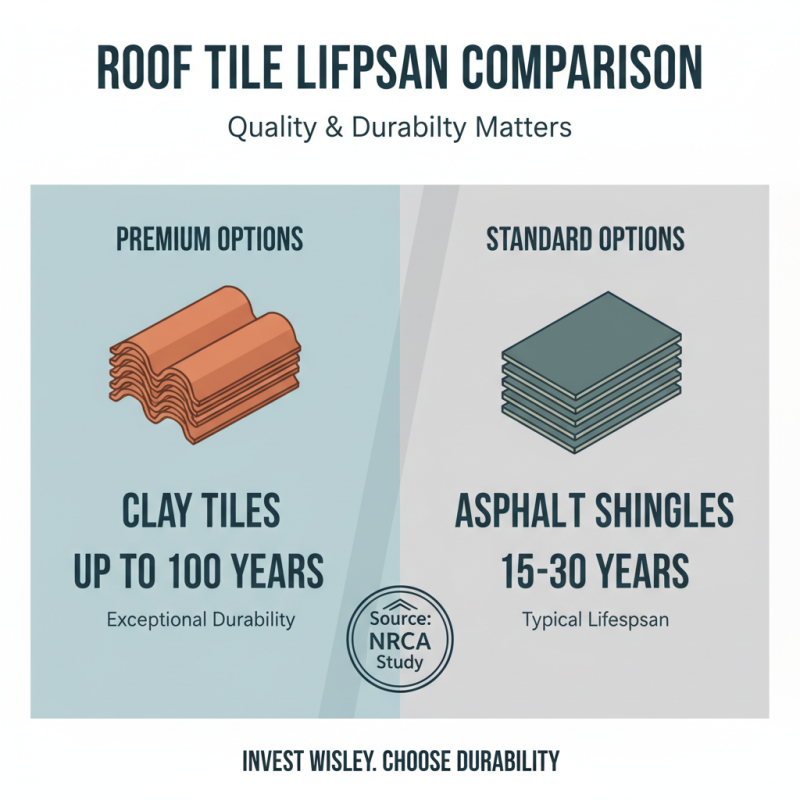
When choosing roof tiles, quality and durability are crucial. A study by the National Roofing Contractors Association indicates that the lifespan of tiles can vary significantly. For instance, clay tiles can last up to 100 years, while asphalt options may only endure for 15-30 years. Understanding these differences is vital for homeowners making investment decisions.
Moreover, durability often affects long-term maintenance costs. High-quality tiles resist harsh weather better. For example, concrete tiles can withstand winds up to 130 mph, offering a suitable option for storm-prone areas. Cheap tiles might save money initially but could lead to costly repairs. It's essential to weigh upfront costs against potential future expenses.
Another point to consider is energy efficiency. Some roof tiles reflect sunlight better than others. Reflective tiles can reduce cooling costs by up to 20%, according to the Cool Roof Rating Council. Investing in durable, high-quality tiles could save money on energy bills and enhance home comfort. This balance is delicate and needs careful thought. A hasty decision could lead to regrets later.
Evaluating Installation Costs and Labor when Choosing Roof Tiles
When choosing roof tiles, evaluating installation costs and labor is crucial. The price of tiles can vary widely, but installation costs often have a more significant impact on your budget. Labor costs depend on various factors, such as the complexity of your roof and local rates. A simple gable roof may cost less to install than a more complicated structure. Always get multiple quotes to compare labor costs.
Understanding the installation process can help you anticipate expenses. Some roof tiles require specialized skills or tools for installation. This may raise the labor costs again, making certain types of tiles less affordable. Consider the long-term maintenance as well. More durable materials might have a higher upfront cost but can save money in the long run.
Ultimately, keep in mind that making the right choice is not just about immediate expenses. It involves thinking about quality and longevity. Discuss with your contractor about possible hidden costs too. Mistakes happen, and ensuring that you have budgeted for unexpected expenses is wise. Balancing all these aspects will lead you to the best roof tile price for your home.
How to Determine the Best Roof Tile Price for Your Home?
This chart shows the estimated costs associated with different types of roof tiles, including the tile price per square foot, installation costs, and labor costs. Understanding these factors can help you choose the best option for your home.
Budgeting for Roof Tile Maintenance and Longevity Considerations
Roof tiles are a significant investment for any homeowner. Understanding their maintenance costs is crucial. Regular maintenance can extend your roof's lifespan and improve efficiency. This includes cleaning debris from the roof and checking for damaged tiles. These tasks are simple but often overlooked.
Longevity is a key consideration when selecting roof tiles. Generally, different materials have varied lifespans. For instance, clay tiles may last over 50 years, while asphalt shingles might need replacement every 20 years. Think about your long-term plans for your home. If you plan to stay for decades, investing in durable tiles could save money in the long run.
However, ongoing maintenance can become costly. Repairing leaks or replacing tiles adds up over time. Some homeowners underestimate this aspect. It’s easy to focus only on initial installation costs. Remember, choosing the right tile isn’t just about the price tag; it’s about the total cost of ownership. Balancing aesthetics, functionality, and budget is essential for making an informed choice.