How to Choose the Best Light Weight Roof Sheet for Your Project?
Choosing the right materials for your construction project is crucial. One important material to consider is the Light Weight Roof Sheet. These sheets are gaining popularity due to their numerous advantages. They are easy to install and transport, making them a practical choice for many builders.
However, selecting the best Light Weight Roof Sheet involves careful consideration. Different projects have unique requirements. Factors such as climate, building design, and budget play significant roles. It’s essential to assess each option thoroughly. Some sheets might seem perfect at first glance, but they may not perform well long-term.
In this guide, we will explore key aspects to consider when choosing a Light Weight Roof Sheet. We aim to provide valuable insights to help you make informed decisions. Keep in mind that the best choice often requires more than just comparing prices. You may find that the perfect sheet isn't what you initially thought it was. Reflecting on your specific needs will lead to a better outcome.

Understanding the Importance of Lightweight Roof Sheets in Construction
Lightweight roof sheets play a crucial role in construction. They significantly reduce the load on structures. This quality is especially helpful in regions that face adversity from weather conditions. Choosing the right material can enhance the longevity of your project.
When selecting lightweight roof sheets, consider the local climate. For example, areas with heavy winds might benefit from sheets designed to withstand gusts. Check the thickness and strength ratings carefully. Using materials that reflect sunlight can also improve your building’s energy efficiency.
Tips: Always consult a structural engineer before making decisions. They can provide insights specific to your project needs. Ensure the installation process is handled by professionals to avoid future issues. Regular maintenance can extend the life of your roof. It's wise to periodically check for any wear or damage, especially after storms.
Factors to Consider When Selecting Lightweight Roof Sheets
Choosing lightweight roof sheets requires careful consideration of several factors. Weight is crucial. A lighter sheet reduces structural strain and simplifies installation. Materials like metal or composite options often come into play. Each material has distinct advantages and drawbacks. It’s important to assess how well they perform in various weather conditions.
Durability is another major factor. Lightweight does not always equal fragile. Some sheets resist rust and corrosion effectively. Yet, others might not hold up over time. Check warranties and user reviews. Costs also differ significantly. Sometimes, a cheaper option may save money initially but incur higher maintenance costs.
Aesthetics matter too. Think about the visual appeal of your roof. Color and texture will impact the building's overall look. Consider your local environment when making a choice. In certain areas, reflectivity can affect energy efficiency. This can lead to reduced cooling costs during hot months. Always weigh these aspects against each other. Choosing the right lightweight roof sheet is a balance of multiple elements, and it may take time to find the perfect fit.
Lightweight Roof Sheet Comparison
Comparing Different Materials for Lightweight Roof Sheets
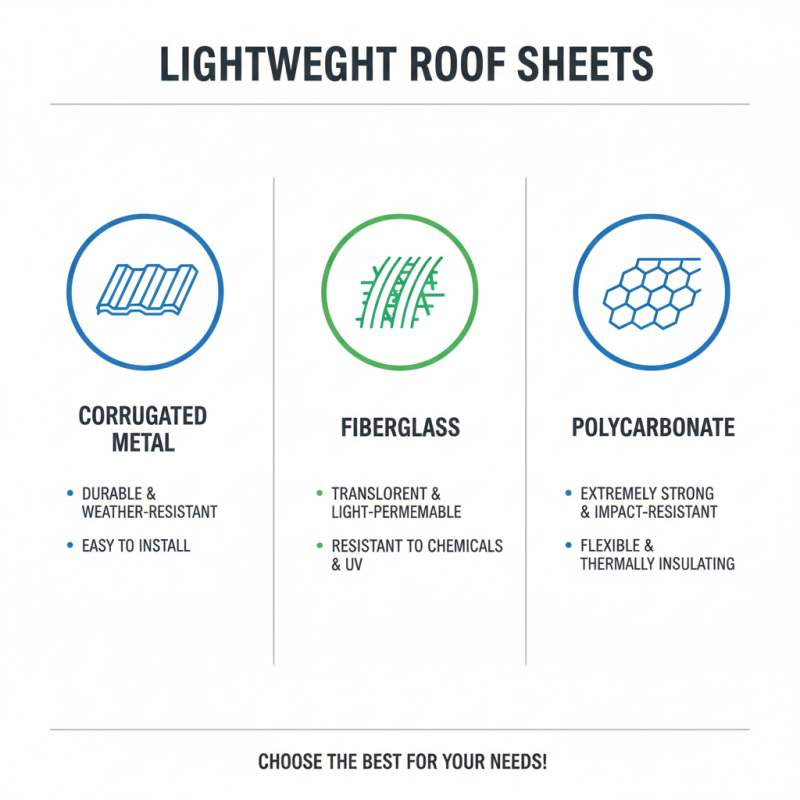
When it comes to lightweight roof sheets, various materials offer unique benefits. Options include corrugated metal, fiberglass, and polycarbonate. Each material has its pros and cons. For example, corrugated metal is durable and resistant to harsh weather. It is also easy to install, which can save time.
Fiberglass is another choice. It is lightweight and can be molded into different shapes. However, it may not be as strong as metal. It might require more frequent repairs to avoid leaks. Polycarbonate sheets provide excellent insulation and transparency. This makes them suitable for greenhouses or sunrooms. However, they can be prone to scratching.
Consider the specific needs of your project. Evaluate factors such as local climate and aesthetic preferences. Price is crucial, but don't overlook longevity. You might find that a cheaper option won't hold up over time. Be aware of your location's building codes too. Misunderstanding these could lead to costly mistakes. Do your research and reflect on what matters most for your roofing project.
Evaluating Cost vs. Performance of Lightweight Roof Sheets
When evaluating lightweight roof sheets,
cost versus performance is crucial. A recent industry report reveals that lightweight materials can reduce building energy costs by up to 30%.
However, cost savings should not compromise quality. Some cheaper options may lead to quicker deterioration.
This imbalance can result in higher replacement costs over time.
Material choice impacts performance significantly.
For instance, polycarbonate roof sheets may be lightweight but can offer excellent UV protection.
On the other hand, certain metal sheets might be cost-efficient but provide less insulation.
A thorough analysis of the advantages and disadvantages is vital.
Tips:
Always request samples before making a purchase. Testing materials under different conditions can reveal
their true performance. Don’t skip professional consultations. Experts can provide insights tailored to your project’s needs.
Balancing cost and performance ensures a smart investment.
Consider long-term maintenance costs when making your choice.
Installation and Maintenance Tips for Lightweight Roof Sheets
When opting for lightweight roof sheets, installation and maintenance are crucial. Consider the type of surface where you will mount them. An uneven surface can lead to leaks. Ensure proper alignment during installation. This is vital for lasting performance. Use adequate fasteners to secure the sheets but avoid over-tightening. This can warp the material.
Regular maintenance is necessary to ensure longevity. Inspect the roof sheets at least twice a year. Look for signs of wear, such as cracks or fading colors. Clean the surfaces to remove debris. This helps to prevent mold growth. If you notice any warping, address it quickly. Ignoring small issues can lead to bigger problems later.
Lastly, be prepared for weather impacts. Lightweight materials can be influenced by strong winds. Reinforce edges to withstand storms. It’s worth reflecting on your installation methods. A few mishaps can prompt you to reconsider your approach in future projects. Choose wisely, and your lightweight roof sheets can serve you well over time.