How to Choose Light Weight Roof Sheet for Your Home?
When considering the best option for roofing your home, the choice of a Light Weight Roof Sheet is crucial. Renowned roofing expert Jack Thompson once stated, "Opting for lightweight materials can enhance durability and efficiency." His insights echo the growing trend towards lightweight roofing solutions, which have gained popularity for their ease of installation and lower overall costs.
Light weight roof sheets come in various materials, each with its pros and cons. For instance, aluminum sheets are highly resistant to corrosion. However, they may be costlier than other options. On the other hand, PVC sheets are affordable and versatile but may lack the strength of metal alternatives. Choosing the right type requires careful consideration of your specific needs and local climate conditions.
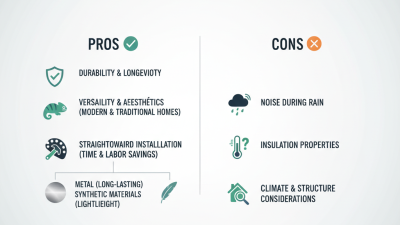
Moreover, it's essential to reflect on how lightweight materials impact your home's energy efficiency and insulation. While many homeowners appreciate the quick installation process, some may overlook potential drawbacks, such as noise during heavy rain. Weighing the benefits against the challenges will help in making a well-informed decision regarding your Light Weight Roof Sheet selection.
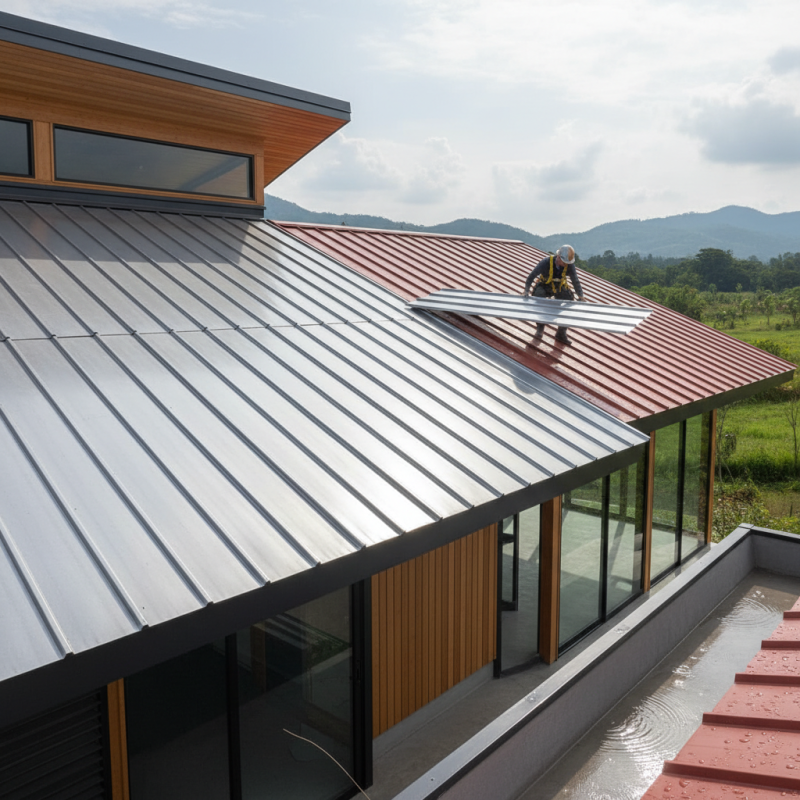
Understanding the Importance of Roof Sheet Weight for Your Home
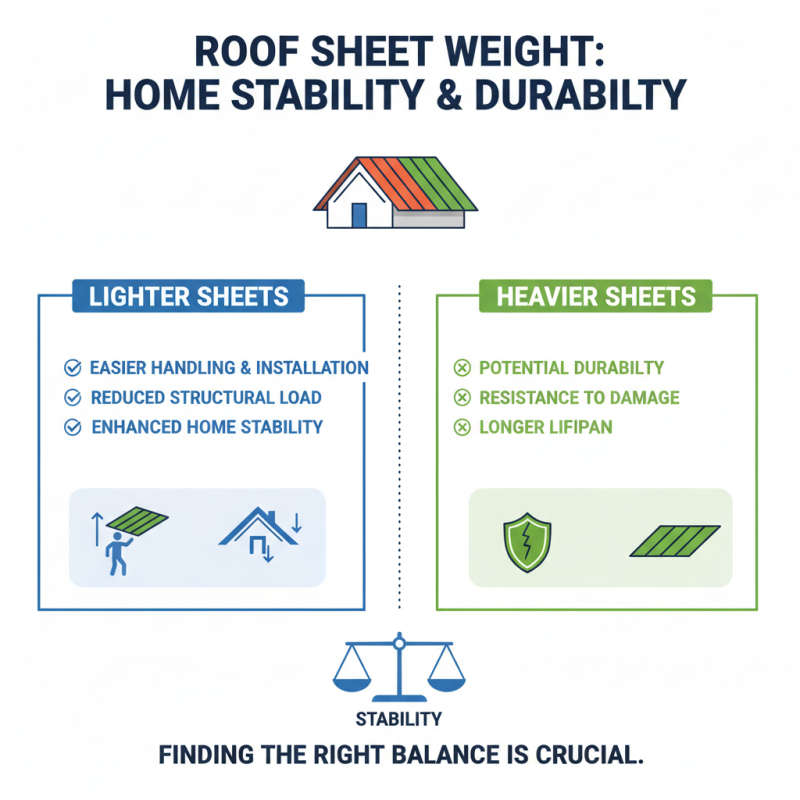
When choosing roof sheets, weight plays a crucial role. Lighter materials are often easier to handle and install. They can reduce the load on your home’s structure. This is essential for enhancing the overall stability. Yet, a lighter roof sheet might compromise durability. Thin materials can be prone to damage. It’s vital to find a balance.
Consider climate factors. In areas with heavy rain or snow, a lightweight sheet may not perform well. Leaks can develop if the material is not robust enough. On the flip side, in mild climates, lighter options may suffice. They allow for better energy efficiency and ventilation. This factor should not be overlooked.
Cost is another aspect to weigh. While lightweight options may seem affordable, their lifespan might be shorter. Cheaper materials can lead to more frequent repairs. Investing in a slightly heavier but durable option may save you money long-term. Evaluating your specific needs is important. Remember, not every lightweight option is the best choice for your home.
Factors to Consider When Selecting Lightweight Roof Sheets
Choosing the right lightweight roof sheets for your home involves careful consideration of several factors.
Material type plays a crucial role. Common options include aluminum, fiberglass, and polycarbonate. A recent industry report noted that aluminum roof sheets weigh about 50% less than traditional options like asphalt shingles, offering easier installation. However, while lightweight, aluminum can be prone to denting.
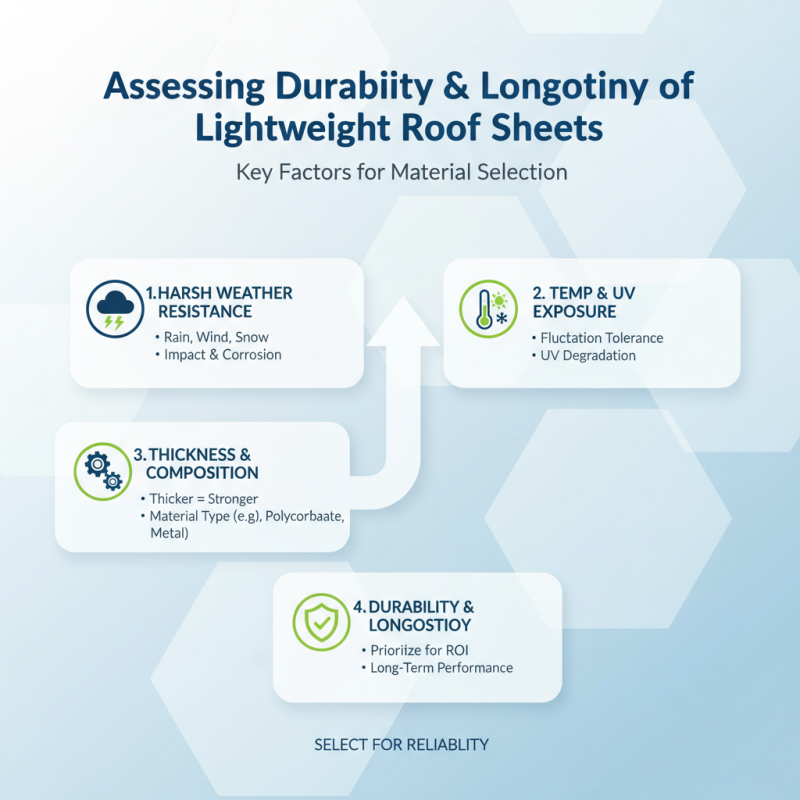
Durability is another key factor. Lightweight materials may not always withstand harsh weather conditions. A study by the International Roofing Institute revealed that polycarbonate sheets can endure high impacts and extreme temperatures. They have a significant lifespan, often exceeding 25 years, but they can be more expensive than other lightweight options. Homeowners should balance cost and longevity when making their choice.
Lastly, energy efficiency should not be overlooked. Lightweight roof materials often reflect sunlight better. This can lead to energy savings by keeping homes cooler during hot months. In fact, research indicates that reflective roofing can lower energy costs by up to 20%. Nevertheless, not every lightweight option offers excellent insulation. It's essential to assess the thermal properties of each material before deciding.
Common Materials Used for Lightweight Roof Sheets
When choosing lightweight roof sheets, it’s essential to understand the common materials available. Each material has unique properties that can affect durability, cost, and insulation.
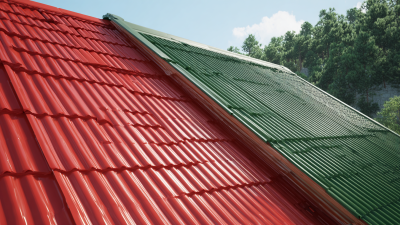
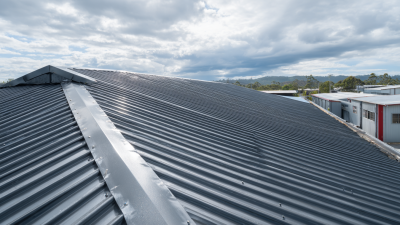
Metal roofing sheets are often favored for their strength and longevity. They reflect heat, helping to keep homes cooler. However, they can be prone to dents. It’s wise to consider local weather when selecting them.
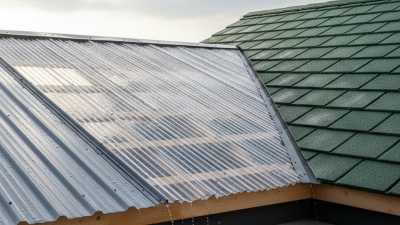
Plastic roofing sheets are another lightweight option. They are generally cheaper and resistant to corrosion. But, they may not hold up well against extreme temperatures. Additionally, they can yellow over time, which may not suit everyone's aesthetic preferences.
Tips: Always evaluate the thermal performance of the materials. Lightweight doesn’t mean weak. Look for fire-resistance ratings. Don’t forget to check local building codes. This can prevent costly mistakes later. Investing time in research pays off.
Installation and Maintenance Tips for Lightweight Roof Sheets
When choosing lightweight roof sheets, installation and maintenance are crucial. The right installation ensures durability. Proper alignment and securing methods help resist strong winds. According to the National Roofing Contractors Association, incorrect installation can lead to 25% of roofing issues.
Tips: Always use certified tools. Check your local guidelines on installation methods. Consider using a moisture barrier. This can prevent leaks and prolong the roof’s life. Regular inspections help identify damage early. It is essential to prioritize safety during installation. Using safety gear is not just recommended; it's necessary.
Maintenance is equally important. Lightweight roof sheets may need less upkeep, but they are not maintenance-free. Cleaning debris is vital. This helps prevent water pooling, which can lead to leaks over time. Regular checks for scratches or dents can save repair costs later. If damage occurs, fix it immediately. Minor repairs can avoid larger issues. Remember, a proactive approach yields better results.
How to Choose Light Weight Roof Sheet for Your Home? - Installation and Maintenance Tips for Lightweight Roof Sheets
| Feature |
Description |
Benefits |
| Material Type |
Polycarbonate, Metal, Fiberglass |
Durable, Lightweight, Weather Resistant |
| Weight |
Between 1-2 lbs per sq. ft. |
Easier to install, Less structural support needed |
| Insulation |
Available with thermal insulation options |
Energy Efficiency, Temperature Control |
| Maintenance |
Low maintenance, easy cleaning |
Saves time and costs over years |
| Cost |
Varies by material, approx. $1.50 - $4.00 per sq. ft. |
Affordable options available for various budgets |