How to Choose Eco-Friendly Roofing Sheets for Sustainable Homes?
In today’s world, choosing the right materials for your home is crucial. Eco-Friendly Roofing Sheets are gaining popularity among homeowners. These sheets not only provide shelter but also contribute to a healthier environment. They help reduce energy consumption and promote sustainable living.
Many people overlook the importance of eco-friendly choices. Traditional roofing materials may seem convenient, but they often have negative environmental impacts. Eco-Friendly Roofing Sheets, on the other hand, are made from recyclable or renewable materials. They offer durability while minimizing ecological footprints.
When selecting roofing sheets, it’s essential to consider various factors. Look for certifications that demonstrate environmental safety. Research the manufacturing process and the lifespan of materials. Reflect on how your choices today can affect future generations. Opting for Eco-Friendly Roofing Sheets is a step toward a sustainable and responsible lifestyle.
Understanding Eco-Friendly Roofing Materials and Their Benefits
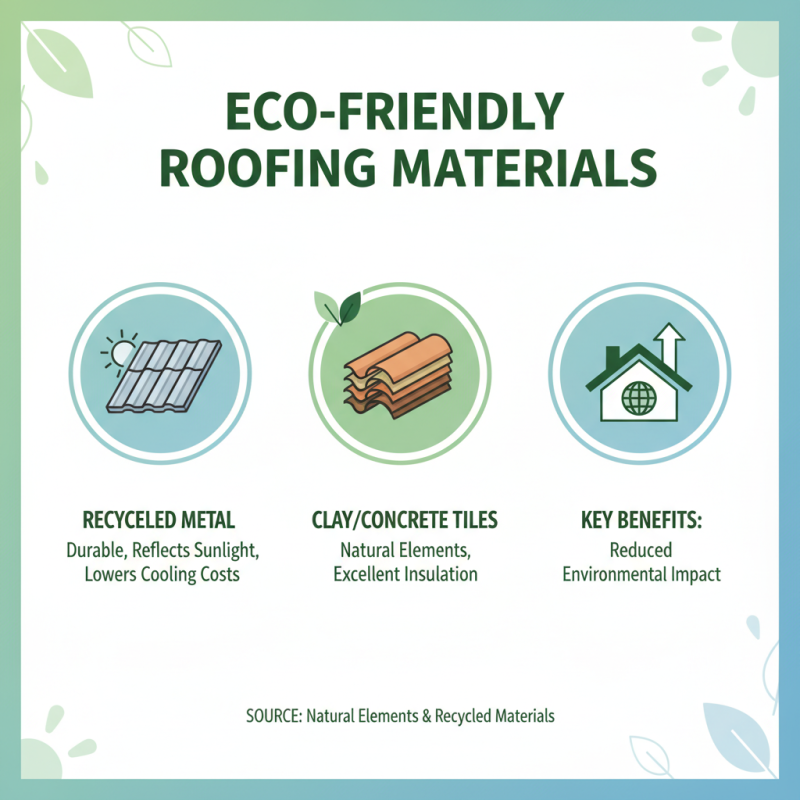
When choosing roofing materials, eco-friendliness is key. Various options are available today that can significantly reduce environmental impact. Recycled metal roofs are one popular choice. They are durable and reflect sunlight, lowering cooling costs. Another option is clay or concrete tiles. These materials are sourced from natural elements, making them sustainable. They also provide excellent insulation.
Bamboo roofing is an emerging alternative, often overlooked. This renewable resource grows quickly and absorbs CO2 as it develops. While attractive, it may require more care and maintenance over time. Some eco-friendly options can be pricey. It’s crucial to balance cost and sustainability. Not every material works for every climate. Factors like local weather and durability must be considered. The right choice should align with your home's specific needs, even if that means some imperfections in the final look.
Key Factors to Consider When Selecting Sustainable Roofing Sheets
When choosing eco-friendly roofing sheets, consider the material’s sustainability. Recycled metals or natural fibers make good choices. They are durable and have a lower environmental impact. Check if the sheets are made from renewable sources. This will reduce damage to ecosystems.
Another key factor is energy efficiency. Some roofing materials reflect sunlight. This keeps homes cooler and reduces electricity bills. Ask about the insulation properties of the roofing sheets. Better insulation means less energy use. It’s a win-win for the environment.
Lastly, think about the longevity of the roofing materials. Some may look good initially but deteriorate quickly. This leads to more waste. Research the warranty period. If a product lasts longer, it may be worth the investment. Remember, choosing the right roofing sheets is crucial for a sustainable future.
Comparative Analysis of Different Eco-Friendly Roofing Options
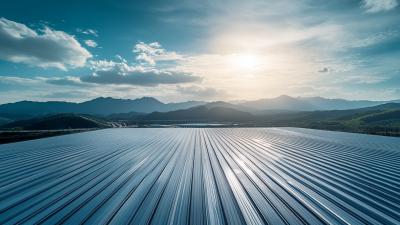
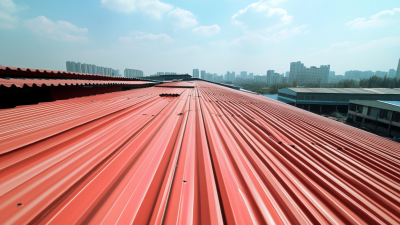
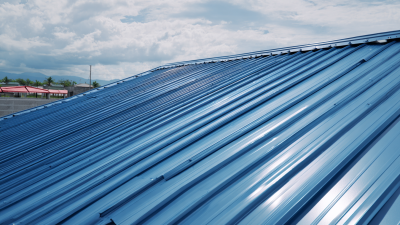
When selecting eco-friendly roofing sheets, it’s vital to analyze various options. Metal roofing is popular for its durability and recyclability. It can reflect solar heat, improving energy efficiency. However, it may still require energy in manufacturing.
Another option is clay tiles. They are made from natural materials and can last for decades. Their weight does require stronger support structures, which can complicate installation. Consider the climate in your area. In colder areas, they may not perform as well.
Synthetic options like rubber or plastic can mimic traditional materials. They often have a lower environmental footprint. However, some may not decompose fully, raising concerns about long-term sustainability. Always conduct thorough research. Each material has its strengths and weaknesses. Balancing aesthetics, cost, and environmental impact is essential.
Comparative Analysis of Eco-Friendly Roofing Options
Installation Tips for Eco-Friendly Roofing in Sustainable Homes
Choosing eco-friendly roofing is essential for sustainable homes. Proper installation techniques can enhance the lifespan and efficiency of your roofing materials. Many eco-conscious homeowners overlook installation, which can lead to serious issues over time. A report from the National Association of Home Builders states that improper installation can decrease energy efficiency by 30%.
When installing eco-friendly roofing sheets, consider ventilation and insulation. Adequate airflow prevents moisture buildup, which can damage roofing and lead to mold growth. Use breathable materials to maintain a balanced climate under the roof. Inadequate insulation can also lead to energy loss. A study by the U.S. Department of Energy notes that 25% of heating and cooling costs come from poor insulation.
While many homeowners focus on material choice, installation specifics are often neglected. Details like flashing, sealants, and underlayment play crucial roles. Ignoring these elements can result in leaks and structural damage. Always ensure that installation follows manufacturer guidelines to achieve optimal performance. Remember, eco-friendly choices require commitment beyond just material selection.
How to Choose Eco-Friendly Roofing Sheets for Sustainable Homes? - Installation Tips for Eco-Friendly Roofing in Sustainable Homes
| Material Type |
Recyclability |
Durability (Years) |
Energy Efficiency |
Cost ($/sq ft) |
| Metal Roofing |
Yes |
40-70 |
High |
3.50 |
| Clay Tiles |
Yes |
50-100 |
Moderate |
5.00 |
| Slate Tiles |
Yes |
75-200 |
High |
8.00 |
| Recycled Asphalt Shingles |
Yes |
15-30 |
Low |
2.00 |
| Green Roofs |
Yes |
20-50 |
Very High |
10.00 |
Maintenance Practices to Enhance the Longevity of Green Roofs
When it comes to green roofs, maintenance is key. Regular checks can extend their lifespan significantly. According to a 2021 report from the Green Roofs for Healthy Cities, well-maintained green roofs can last beyond 40 years. Yet, many homeowners overlook routine inspections. Ignoring drainage systems can lead to water buildup. This drastically reduces roof health.
Plant selection is another crucial aspect. Native plants often require less water and can thrive in local climates. A study by the University of Toronto found that using native species boosted green roof resilience by 30%. However, many installers still favor exotic plants. This can lead to higher water needs and maintenance costs.
Cleaning green roofs is also vital. Debris can block sunlight and inhibit plant growth. A report from the American Society of Landscape Architects suggests that cleaning twice a year helps maintain healthy vegetation. Yet, many homeowners neglect this task. Ultimately, regular maintenance practices are essential. They ensure green roofs function optimally and provide long-term benefits.