How to Choose Eco-Friendly Roof Sheets for Sustainable Homes?
Choosing the right roofing materials can influence a home's sustainability. Eco-Friendly Roof Sheets are increasingly popular for this reason. They offer both environmental benefits and aesthetic appeal.
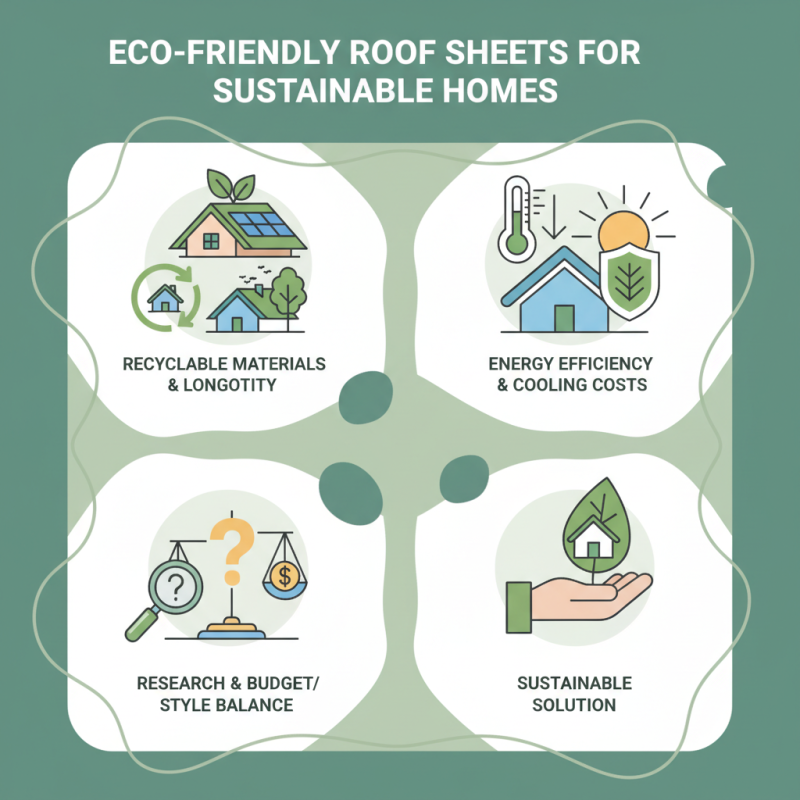
These roof sheets are made from recyclable materials. Their longevity reduces the need for frequent replacements. This leads to less waste in landfills. Additionally, some options enhance energy efficiency. They can reflect sunlight and lower cooling costs.
While many manufacturers claim eco-friendliness, not all products live up to the promise. Research is essential before making a choice. Sometimes, standout options might not fit your budget or style. Balancing eco-friendliness with functionality can be challenging. Being mindful of these aspects can guide you toward a sustainable roofing solution.
Factors to Consider When Selecting Eco-Friendly Roof Sheets
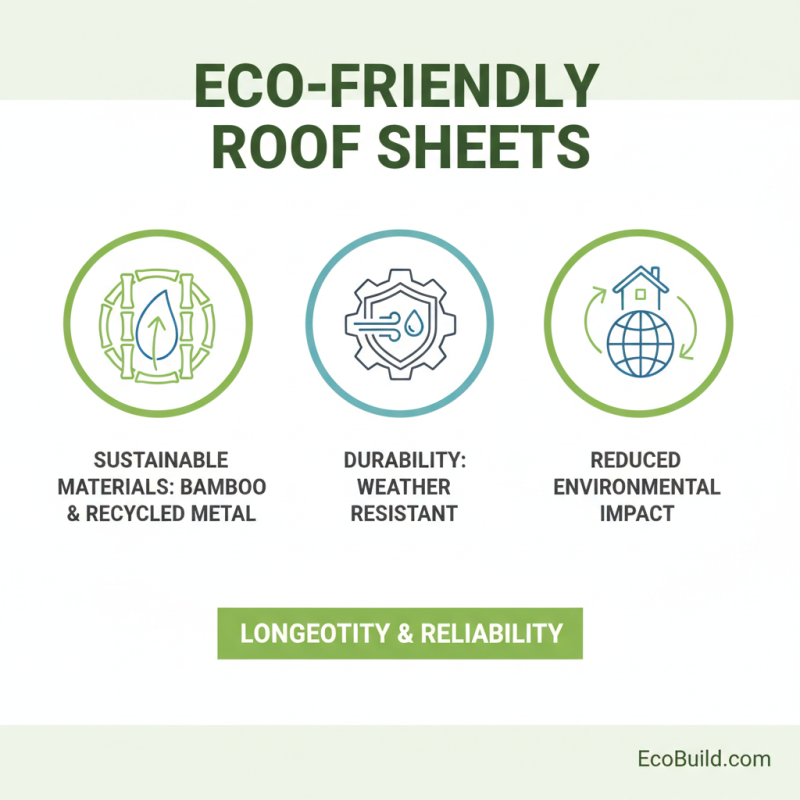
Choosing eco-friendly roof sheets requires careful consideration of several factors. Materials matter greatly. Look for sustainably sourced options like bamboo or recycled metal. These materials reduce impact on the environment and promote longevity. It’s important that they are durable. A roof should withstand various weather conditions to prevent frequent replacements.
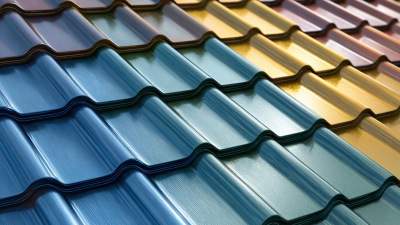
Insulation is another crucial factor. Well-insulated roofs can keep homes cooler in summer and warmer in winter. This leads to reduced energy consumption. Also, consider the aesthetic appeal. Roof sheets come in various colors and styles. Choose a design that complements your home while being environmentally friendly.
Cost is often a barrier, but think long-term. Higher-priced eco-friendly options may save more on utility bills. Reflect on the environmental cost of cheaper materials. Sometimes, affordability compromises quality. Research and compare different types before settling. Each decision impacts both the planet and your living space.
Types of Eco-Friendly Roofing Materials Available in the Market
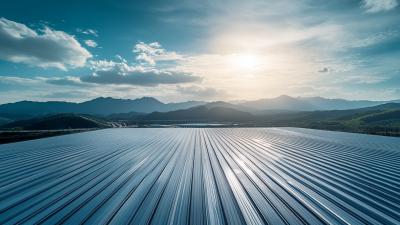
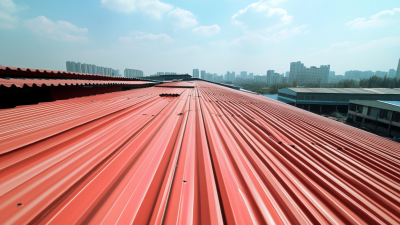
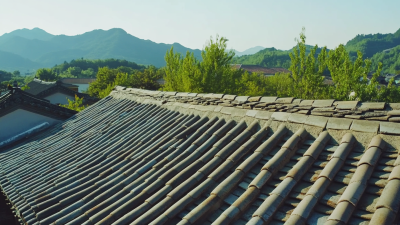
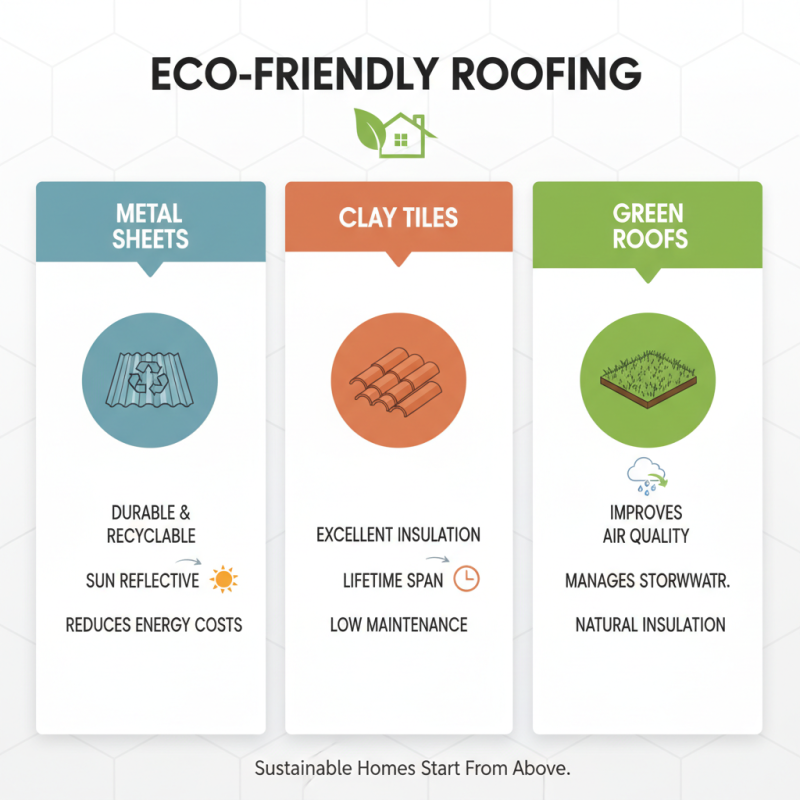
Choosing the right eco-friendly roof sheets is crucial for sustainable homes. Various roofing materials are available today, each with unique benefits. Some of the most popular options include metal sheets, clay tiles, and green roofs. Metal roofing is durable and recyclable. It reflects sunlight, helping reduce energy costs. Clay tiles are also eco-friendly, providing excellent insulation. They can last a lifetime when properly maintained.
Green roofs are an innovative choice. They improve air quality and reduce stormwater runoff. However, they require regular maintenance, which might not suit every homeowner. These systems can be costly, making them a less practical option for some.
Tips: Consider your local climate and aesthetic preferences. Research the longevity and maintenance needs before purchasing. When unsure, consult an expert for tailored advice. Remember, not all eco-friendly materials are equally sustainable. Make a choice that aligns with your values and budget.
Environmental Benefits of Choosing Sustainable Roof Sheets
Choosing eco-friendly roof sheets can significantly impact the environment. Sustainable roofing materials reduce waste and lower energy consumption. According to a report by the U.S. Department of Energy, green roofs can reduce energy use by up to 25%. This is crucial for homes looking to minimize their carbon footprint.
Additionally, sustainable roof sheets often utilize recycled materials. A study by the National Association of Home Builders found that nearly 35% of roofing materials are made from recycled content. This not only conserves natural resources but also reduces landfill waste. The aesthetic appeal is a bonus. Many eco-friendly options come in various colors and styles, enhancing a home's look while promoting sustainability.
However, the market can be confusing. Some products claim to be eco-friendly but lack certification. Homeowners must research and verify claims. This aspect increases the risk of greenwashing. It's vital to scrutinize suppliers to ensure materials meet environmental standards. Addressing these challenges can feel overwhelming but is essential for making informed choices.
Environmental Benefits of Choosing Sustainable Roof Sheets
Cost Comparison: Eco-Friendly Roof Sheets vs Traditional Materials
When selecting roof sheets for sustainable homes, cost is a significant factor. Eco-friendly roof sheets can be more expensive upfront than traditional materials. However, their benefits extend beyond immediate costs. They often offer longer lifespans and better energy efficiency, which can lead to savings over time.
Consider the installation costs as well. Eco-friendly sheets might require specialized labor, impacting your overall budget. However, many find that energy savings eventually balance this out. While traditional materials may seem cheaper, they often lead to higher energy bills due to poor insulation.
Tips: Always compare warranties and lifespan. Eco-friendly options might last longer, providing better value. Also, examine the whole lifecycle cost, not just the initial price. Rainwater collection systems can enhance eco-friendly roofs, improving sustainability. Remember, investing in eco-friendly options helps reduce environmental impact greatly.
Installation and Maintenance Tips for Eco-Friendly Roof Sheets
When installing eco-friendly roof sheets, consider the material's lifespan. Many options last over 50 years, reducing waste significantly. A report from the Sustainable Building Research Institute shows that choosing high-quality materials can minimize the need for frequent replacements. This approach also cuts down on environmental impact.
Proper installation is crucial for performance. A slight misalignment can lead to leaks or heat loss. Follow manufacturer guidelines closely to ensure a tight fit. Engaging with local professionals familiar with eco-friendly materials can enhance installation quality. Their experience helps prevent costly mistakes.
Maintaining eco-friendly roof sheets is not as daunting as it seems. Routine inspections every 6–12 months can identify issues early. Simple cleaning with water and a mild detergent can prevent algae and moss buildup. Neglecting these tasks may lead to damage and reduce lifespan. Balancing proactive maintenance and installation quality ensures your eco-friendly roof remains a sustainable choice.
How to Choose Eco-Friendly Roof Sheets for Sustainable Homes? - Installation and Maintenance Tips for Eco-Friendly Roof Sheets
| Material |
Sustainability Rating |
Lifespan (Years) |
Installation Complexity |
Maintenance Needs |
| Metal Sheets |
High |
40-70 |
Moderate |
Low |
| Clay Tiles |
Very High |
50-100 |
High |
Moderate |
| Recycled Plastic |
High |
20-30 |
Low |
Low |
| Green Roofs |
Excellent |
50+ |
High |
High |
| Slate Roofs |
Very High |
75-200 |
High |
Low |