Why Choose Soundproof Roof Sheets for Noise Reduction?
Noise pollution is a growing concern in many urban areas. Finding effective solutions to reduce this noise is essential. One innovative option is the Soundproof Roof Sheet. These sheets are designed specifically to mitigate sound transmission. They provide a barrier against external noise, creating a more serene environment.
The benefits of using a Soundproof Roof Sheet are numerous. They can significantly decrease the impact of rain, wind, and urban sounds. These materials are also lightweight, durable, and easy to install. Homeowners and builders alike appreciate their effectiveness in enhancing comfort. However, it is crucial to choose the right type and installation method.
While a Soundproof Roof Sheet can reduce noise, it might not eliminate it entirely. Some users have reported modest improvements, suggesting mixed results. This variation in performance can depend on various factors, such as installation quality and local noise levels. Thus, it's essential to research and consult with experts before making any decisions. With the right approach, these sheets can be a valuable addition to noise control strategies.

Understanding Soundproof Roof Sheets and Their Benefits
Soundproof roof sheets are designed to minimize noise disturbances. They are particularly beneficial for urban areas, where noise pollution is prevalent. By absorbing sound waves, these sheets create a quieter indoor environment. This becomes essential for residential homes, offices, and studios aiming for peace and productivity.
The benefits of soundproof roof sheets extend beyond noise reduction. They can also improve energy efficiency. Many options come with insulation properties, helping to maintain comfortable temperatures. Additionally, while some may find the upfront cost high, the long-term savings on energy bills can outweigh the initial investment. However, selecting the right materials requires research and understanding. Not every product promises the same results, and users may need expert guidance.
It's important to note that not all soundproofing solutions are foolproof. Some areas may still experience sound leakage. This is where the challenge lies in achieving optimal results. Users should be ready to explore various combinations of materials and techniques. Patience and experimentation could yield better outcomes.
Why Choose Soundproof Roof Sheets for Noise Reduction? - Understanding Soundproof Roof Sheets and Their Benefits
| Attribute |
Description |
Benefits |
| Material |
High-density polyethylene (HDPE) or recycled materials |
Durable, eco-friendly options |
| Thickness |
Typically ranges from 8mm to 15mm |
Increased sound absorption capability with greater thickness |
| Sound Reduction Rating |
STC (Sound Transmission Class) ratings vary, often between 25-40 |
Effective in reducing noise from rainfall and external sources |
| Installation Type |
Can be installed over existing roofs or as part of new construction |
Versatile application, cost-effective renovations |
| Thermal Insulation |
Often includes thermal insulation properties |
Improved energy efficiency and comfort indoors |
| Maintenance |
Low maintenance required, resistant to moisture and weather |
Long-lasting solution, reduces future costs |
Effectiveness of Soundproof Roof Sheets in Different Environments
When considering noise reduction solutions, soundproof roof sheets stand out for their versatility across various environments. Studies indicate that soundproofing materials can reduce noise levels by up to
80% in urban areas. This effectiveness is critical for homes near busy roads or commercial zones. In rural settings, the soundproof sheets can enhance peaceful living by minimizing external disturbances.
Installation is essential. To maximize effectiveness, ensure proper sealing and fit. Gaps can undermine noise reduction. According to a report from the Acoustical Society of America, poorly installed materials can lead to a significant reduction in performance. Applying soundproof roof sheets to sheds or workshops can create quieter workspaces, making it easier to focus.
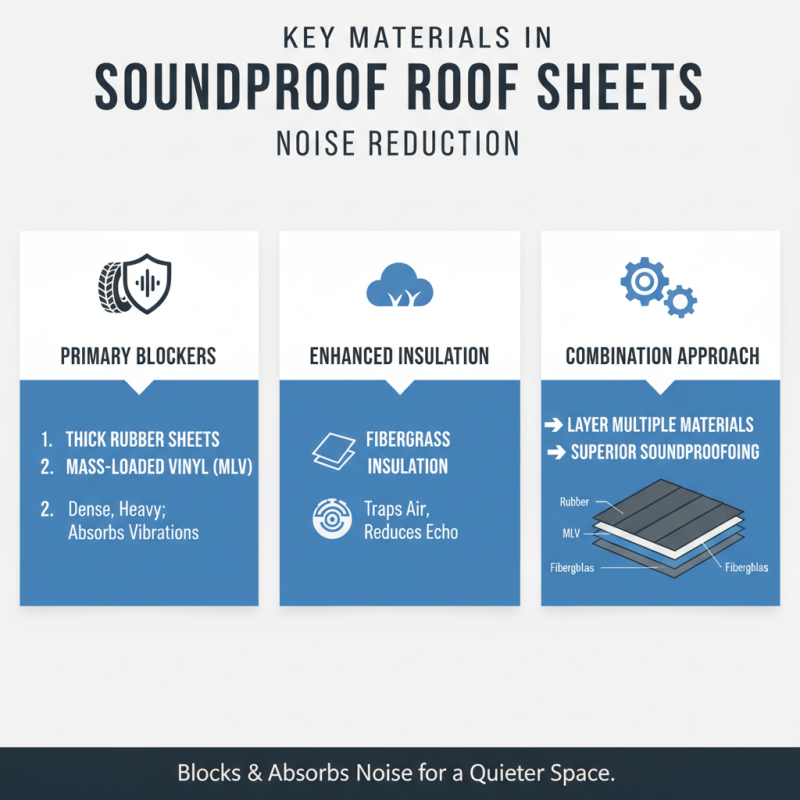
Tips for installation: First, select sheets with a high-density core. This material absorbs sound waves effectively. Second, consider layering materials for an extra barrier. Lastly, always consult with professionals for advice tailored to your specific situation. The right approach can profoundly impact your living or working environment.
Keep in mind, however, that rigorous testing shows no single solution works perfectly in every scenario. Balancing cost and functionality is crucial for success.
Installation Considerations for Maximizing Soundproofing Benefits
When considering soundproof roof sheets, installation plays a crucial role. Properly installed sheets can significantly enhance noise reduction. You should assess your roof structure before installation. The right fit is essential for optimal performance.
Tips: Ensure you measure the roof accurately. Mismatched sizes can lead to gaps that allow sound to seep through. It's a common oversight that can undermine your noise reduction efforts.
Additionally, consider the type of adhesive or sealing method used during installation. Quality materials will enhance the effectiveness of your soundproof sheets. Don't skimp on these components. A strong bond reduces vibrations and unwanted noise leakage.
It's important to inspect the surrounding environment as well. Trees or buildings nearby may interfere with your soundproofing efforts. Analyze how these elements might impact your overall noise reduction goals. Identify potential issues early to prevent future complications.
Noise Reduction Effectiveness of Soundproof Roof Sheets
Comparative Analysis of Soundproof Roof Sheets and Other Solutions
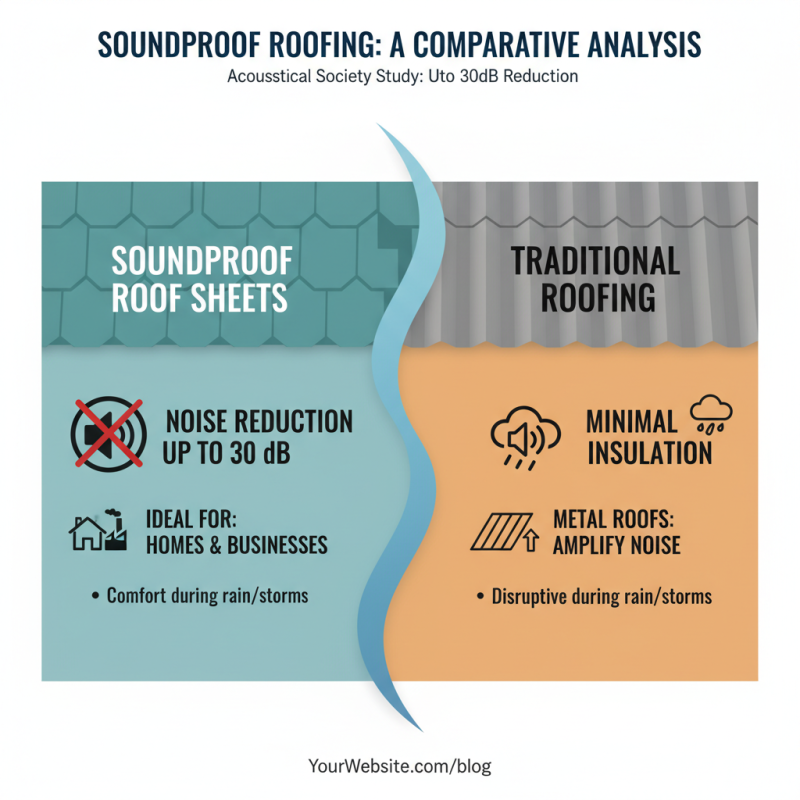
When considering noise reduction solutions, soundproof roof sheets stand out for their effectiveness. A study by the Acoustical Society indicates that these sheets can reduce noise levels by up to 30 decibels, making them ideal for residences and commercial spaces alike. In contrast, traditional roofing materials often provide minimal sound insulation. For example, metal roofs can amplify noise, leading to a less comfortable environment during rain or storms.
In a comparative analysis, other solutions like acoustic curtains or soundproof drywall often fall short, especially in external applications. They can hinder sound transmission indoors but do not block exterior noise effectively. Soundproof roof sheets, on the other hand, combine durability with excellent sound-dampening properties. According to a report from the National Institute of Building Sciences, innovative materials in soundproof sheets are key to absorbing and redirecting sound waves.
While soundproof roof sheets present a strong case, they may not suit every building type. Some structures may require additional support to handle the weight of these sheets. Understanding the specific needs of your building is essential. Each option presents its own benefits and challenges. Evaluating all available solutions ensures the best choice for noise reduction.