How to Choose the Right Roof Sheet for Your Home or Business?
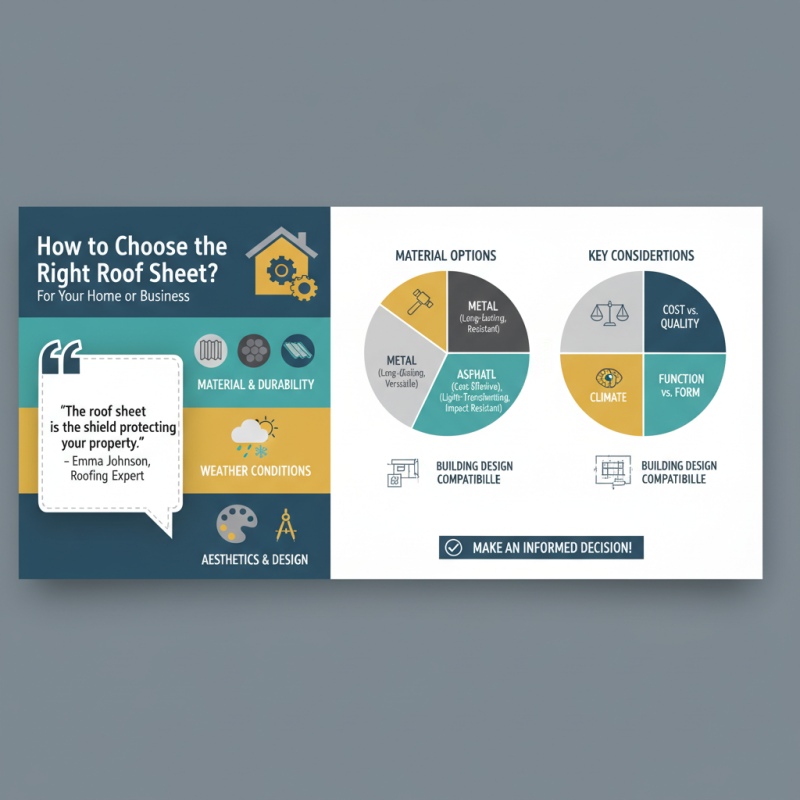
Choosing the right roof sheet for your home or business is crucial. According to Emma Johnson, a roofing expert, "The roof sheet is the shield protecting your property." This insight highlights the importance of making an informed decision.
When selecting a roof sheet, consider various factors like material, durability, and weather conditions. Metal, polycarbonate, and asphalt materials each offer unique benefits. For example, metal sheets are long-lasting. They also withstand harsh weather. However, not all metal sheets are equal. You may need to balance cost and quality.
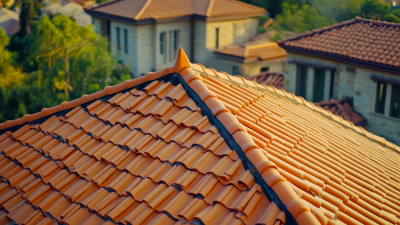
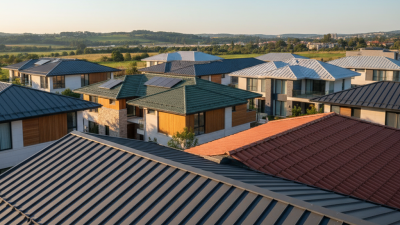
Visualize your roof with different styles and colors. Will your chosen roof sheet complement your building’s design? Remember, the aesthetic does matter. Often, people focus too much on functionality and overlook appearance. A poorly chosen roof can detract from your property’s overall look. Pay attention to both form and function. Finding the perfect roof sheet is a challenge, but it’s one worth taking on.
Understanding Different Types of Roof Sheets: Pros and Cons
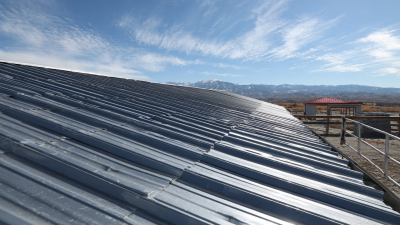
Choosing the right roof sheet involves understanding various options. Each type of roof sheet comes with its own set of pros and cons. For example, metal sheets are durable and weather-resistant. They reflect heat, keeping buildings cooler. However, they can be noisy during rain. Some people find this disturbing.
On the other hand, asphalt shingles are popular for residential buildings. They are affordable and easy to install. Their wide range of colors offers aesthetic appeal. Yet, they may not last as long as metal options. Also, their performance may decline in extreme weather. This requires careful consideration of your local climate.
Another option is fiberglass sheets. These are lightweight and easy to install. They are also resistant to corrosion. Nonetheless, they can be prone to cracking under heavy impacts. Furthermore, the lack of insulation may lead to temperature fluctuations inside. Knowing these details can help in making an informed decision.
How to Choose the Right Roof Sheet for Your Home or Business? - Understanding Different Types of Roof Sheets: Pros and Cons
| Type of Roof Sheet |
Material |
Pros |
Cons |
Lifespan |
| Metal Sheets |
Steel or Aluminum |
Durable, Weather-resistant, Lightweight |
Can be noisy during rain, Prone to rust |
40-70 years |
| Polycarbonate Sheets |
Plastic |
Lightweight, UV resistant, Easy to install |
Less durable than metal, May yellow over time |
10-20 years |
| Asphalt Shingles |
Fiberglass or Organic Mat |
Cost-effective, Many designs available, Easy to repair |
Shorter lifespan, Can be affected by wind or heat |
15-30 years |
| Clay Tiles |
Clay |
Durable, Energy-efficient, Aesthetic appeal |
Heavy, Expensive, Fragile when installed |
50-100 years |
| Slate Tiles |
Natural Stone |
Extremely durable, Fire-resistant, Stylish |
Very heavy, Expensive, Requires skilled labor |
75-200 years |
Assessing Climate Considerations for Roof Sheet Selection
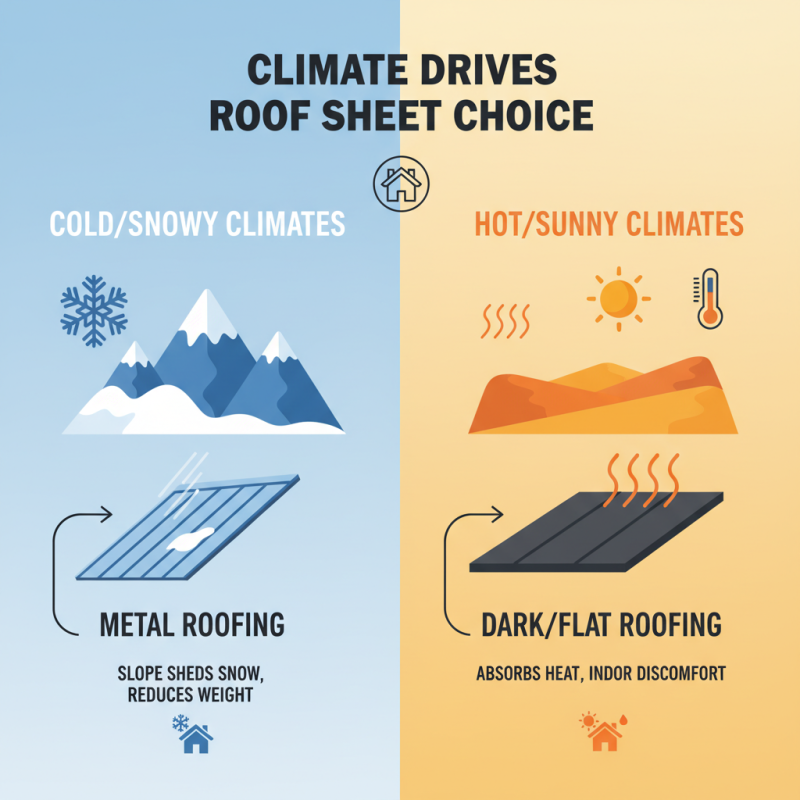
When selecting roof sheets, climate plays a crucial role. Different materials respond uniquely to various environmental conditions. For example, metal roofing is popular in regions with heavy snowfall. Its slope encourages snow to slide off, reducing weight on the structure. Yet, in sunnier areas, this might cause excessive heat buildup, leading to discomfort indoors.
Research indicates that roofs in coastal regions should be corrosion-resistant. High humidity and saltwater can drastically shorten the lifespan of less durable materials. A study from the National Roofing Contractors Association (NRCA) found that roofs in these areas should ideally have a lifespan of at least 20 years. Choosing materials without considering this might result in premature failures.
Insulation is another aspect to consider based on local temperatures. A roof sheet that performs well in cold climates may not suit hotter regions. For example, reflective coatings can reduce cooling costs in warmer climates. But, these coatings may not provide adequate insulation in colder areas. Balancing insulation and reflectivity is essential for energy efficiency. Ultimately, assessing local climate is vital.
Evaluating Cost Factors: Budgeting for Roof Sheet Materials
When budgeting for roof sheet materials, several factors come into play. The cost of materials can vary widely. Understanding the type of roof sheet you need is crucial. Steel, aluminum, and fiberglass are common options. Each material has unique properties and price points. Steel is often more affordable but may require maintenance. Aluminum, while pricier, offers better corrosion resistance.
Consider your building's location. Areas with harsh weather may necessitate a more durable option, which can increase costs. Labor costs are another significant factor. Installation prices vary depending on the complexity of the roof. If you choose DIY installation, you might save money. However, improper installation could lead to further expenses down the line.
Don’t forget about long-term expenses. A cheaper material might seem attractive at first. However, its lifespan could be shorter, leading to future replacements. Investing a bit more initially could save you money in maintenance and repairs later. Weighing upfront costs against longevity is essential. Each choice comes with its own set of trade-offs. It’s all about finding the right balance for your needs.
Cost Factors for Different Roof Sheet Materials
Key Performance Indicators: Lifespan, Durability, and Maintenance Needs
Choosing the right roof sheet is crucial. It can affect your home or business significantly. The key performance indicators are lifespan, durability, and maintenance needs. Each factor plays a vital role in your decision.
Lifespan is paramount. Some roof sheets last over 30 years. However, not all materials provide the same longevity. For example, metal sheets may corrode faster in coastal areas. This means you need to consider your local environment. A detailed assessment may reveal unexpected vulnerabilities.
Durability and maintenance go hand in hand. A durable roof can withstand harsh weather. That’s essential for protection. Yet, some materials require frequent inspections. They might need repairs more often than expected. Noticing these maintenance needs early on can save you from bigger problems later. Reflect on your priorities. Consider how much time and effort you can invest in upkeep.
Regulatory Compliance and Building Codes for Roof Sheet Installation
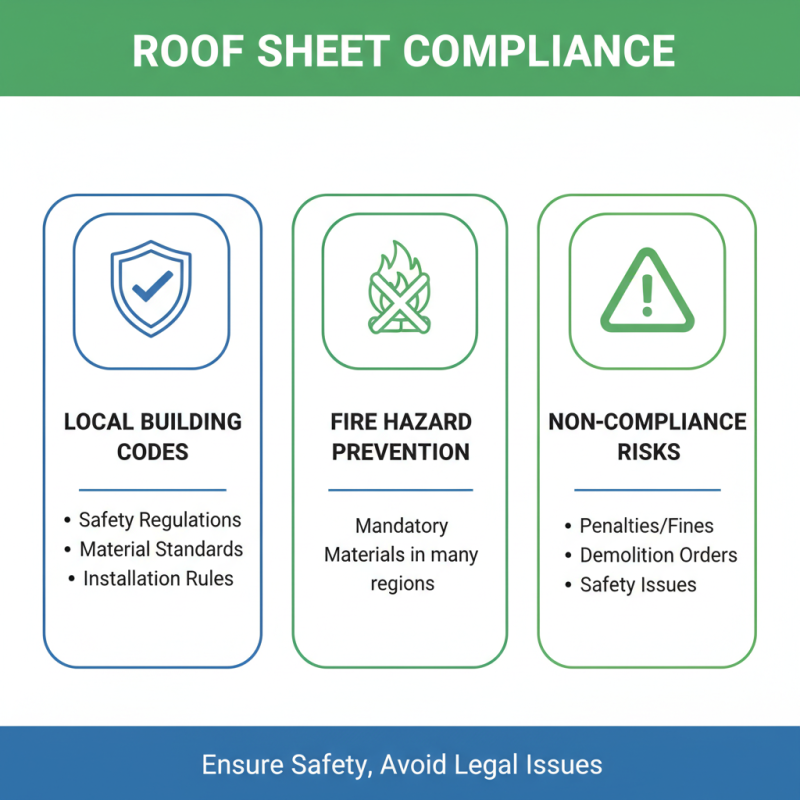
When selecting roof sheets, it’s crucial to adhere to local building codes and regulatory compliance. These rules ensure safety in construction. For instance, in many regions, using certain materials is mandatory to prevent fire hazards. Non-compliance may lead to severe penalties or safety issues.
In a 2022 report by the Building Safety Institute, 45% of homeowners faced challenges due to unclear regulations. Improper installation not only affects durability but also risks compromising the integrity of the entire structure. For commercial buildings, adhering to these codes is even more imperative. Inspections often focus on roof load capacities and material resistance.
Understanding regional variations in compliance can be frustrating. Some areas may demand energy-efficient materials. Others prioritize weather resistance. The complexity can overwhelm many. Ignoring these factors could lead to costly repairs. Always consult local codes before making a decision. This proactive approach can prevent future issues and ensure a safe environment for all occupants.