How to Choose Long Life Roof Tiles for Your Home?
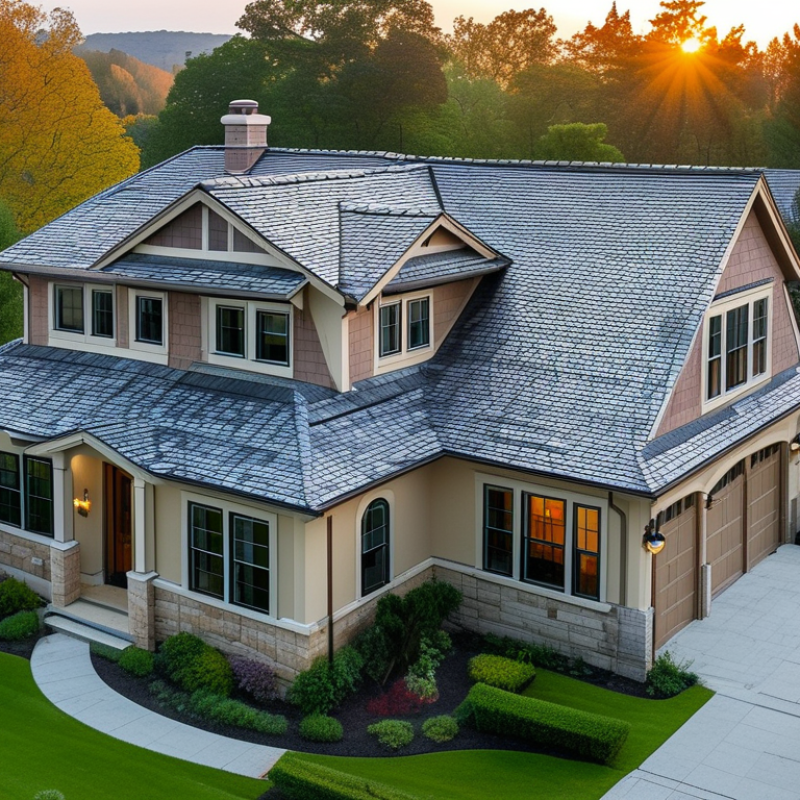
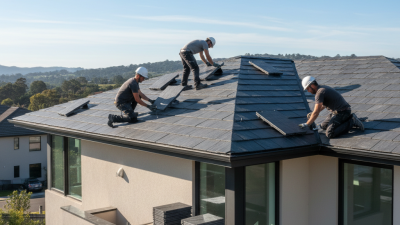
Choosing the right roofing material is crucial for any homeowner. Long Life Roof Tiles are often recommended for their durability and aesthetic appeal. Expert Mark Thompson, a seasoned roofing specialist, states, "Quality tiles can transform a home's longevity and curb appeal."
When considering Long Life Roof Tiles, various factors come into play. The environment, local climate, and architectural style all influence your decision. It’s essential to assess the quality and warranty offered. Not all tiles are created equal, and choosing the wrong type can lead to issues down the line.
Investing in Long Life Roof Tiles is not just about beauty. It's about protection and peace of mind. A homeowner must weigh options carefully. Some may feel overwhelmed by choices. However, taking the time to research will lead to a better outcome. Failing to do so may result in regret later on.
Understanding Different Types of Roof Tiles for Longevity
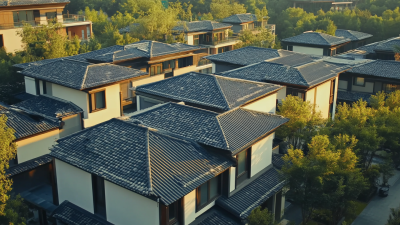
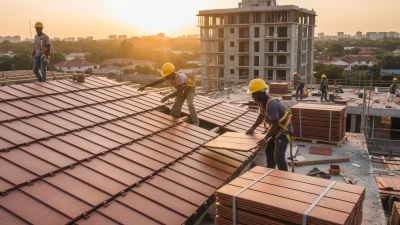
When selecting roof tiles that promise longevity, understanding the types available is crucial. Consider clay tiles. Known for their durability, they can withstand harsh weather conditions. These tiles also maintain their color over time, resist mold, and require minimal maintenance. However, their weight can be a drawback, requiring a strong roof structure.
Another option is concrete tiles. They are robust and versatile. Their ability to mimic the appearance of other materials adds aesthetic value. While they can be less expensive, moisture absorption can lead to cracking. Always check for adequate water drainage to mitigate this issue.
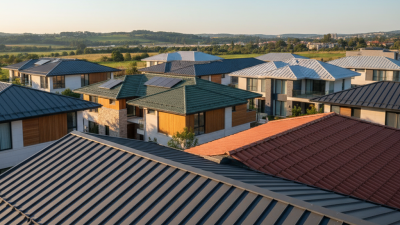
Lastly, synthetic tiles offer a lightweight and flexible alternative. They can replicate the look of other materials while being resistant to fading and impact. Nonetheless, they may lack the historical charm found in natural materials. Weighing these factors helps ensure a wise investment for your home’s roof.
Evaluating Durability: Lifespan of Various Roofing Materials
When selecting roofing materials, durability is key. Different materials offer varying lifespans. For example, asphalt shingles typically last between 15-30 years. In contrast, metal roofs can endure for up to 70 years. Clay and concrete tiles are among the most durable, boasting lifespans of 50-100 years. These longer-lasting options can provide better value over time.
A report from the National Roofing Contractors Association (NRCA) highlights that weather resistance greatly affects longevity. Materials that can withstand harsh weather conditions offer significant benefits. Synthetic slate roofs, for example, can resist damage from hail and strong winds. However, their performance can vary significantly based on installation quality.
It's also important to consider the environmental impact. Some materials, like metal roofing, are highly recyclable, making them a greener choice. Other options may require more resources to manufacture and maintain. Homeowners should weigh these factors carefully, as the best choice isn't always the most obvious one.
The Importance of Climate Considerations in Tile Selection
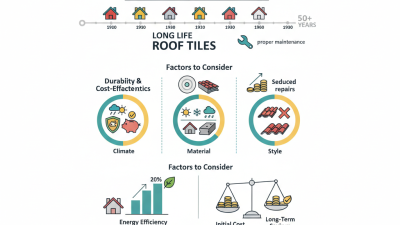
Choosing long-life roof tiles for your home requires careful consideration, especially regarding climate. Different regions face varying weather conditions that directly affect roof longevity. For instance, areas with heavy rainfall may demand tiles with superior waterproofing features. According to a report by the International Roofing Institute, roofs in climates with high UV exposure can degrade 30% faster without appropriate materials.
In colder regions, tiles should have higher insulation values to maintain home warmth. A study indicates that homes with well-insulated roofs can save up to 20% on heating costs. Choosing materials that are specifically designed for your local climate can significantly enhance energy efficiency and durability.
**Tips:** Always consider the longevity of materials. Look for tiles rated for your weather patterns. Consult local experts to get insights tailored to your specific conditions. Remember, the first choice may not always be the best. Reflect on your home's unique environment before making a decision.
Cost-Benefit Analysis: Long Life Roof Tiles vs. Traditional Options
When considering roofing options, long-lasting tiles often surface as a choice. They may have a higher upfront cost than traditional materials. However, their durability leads to long-term savings. A detailed cost-benefit analysis reveals a compelling picture.
Traditional roofs may require frequent repairs. This can make them expensive over time. Even minor leaks can escalate into costly issues. Long life roof tiles, while initially pricier, typically last longer. This reduces the need for replacements.
Investing in quality roofing can pay off. With lower maintenance costs and fewer replacements, homeowners may save. Yet, it's essential to weigh these benefits against budget constraints. Not every home is the same, and what works for one may not work for another. An informed decision, reflecting personal needs and financial capacity, is crucial.
Cost-Benefit Analysis of Long Life Roof Tiles vs. Traditional Options
Maintenance Tips for Extending the Life of Your Roof Tiles
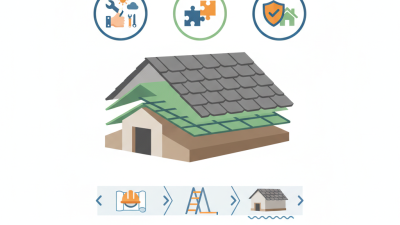
Maintaining your roof tiles is crucial for longevity. Regular inspections can prevent small issues from becoming big problems. Look for signs of wear and tear, such as cracks or loose tiles. Being proactive helps safeguard your investment.
Tip: Clean your roof tiles at least twice a year. Remove debris like leaves and moss. This keeps your tiles functioning well and reduces trapped moisture.
Weather can be harsh on roofs. UV rays, rain, and snow take their toll. Sealing tiles can provide an extra layer of protection. This step can significantly extend their lifespan.
Tip: Always address minor leaks immediately. Delaying repairs can lead to extensive damage and costly repairs. Choosing durable materials from the start is also important. But forgetfulness can happen; always set reminders.