How to Choose Eco-Friendly Roofing Tiles for Sustainable Homes?
Choosing the right roofing materials is crucial for sustainable homes. Eco-Friendly Roofing Tiles play a significant role in reducing environmental impact. They are not only functional but also contribute to energy efficiency.
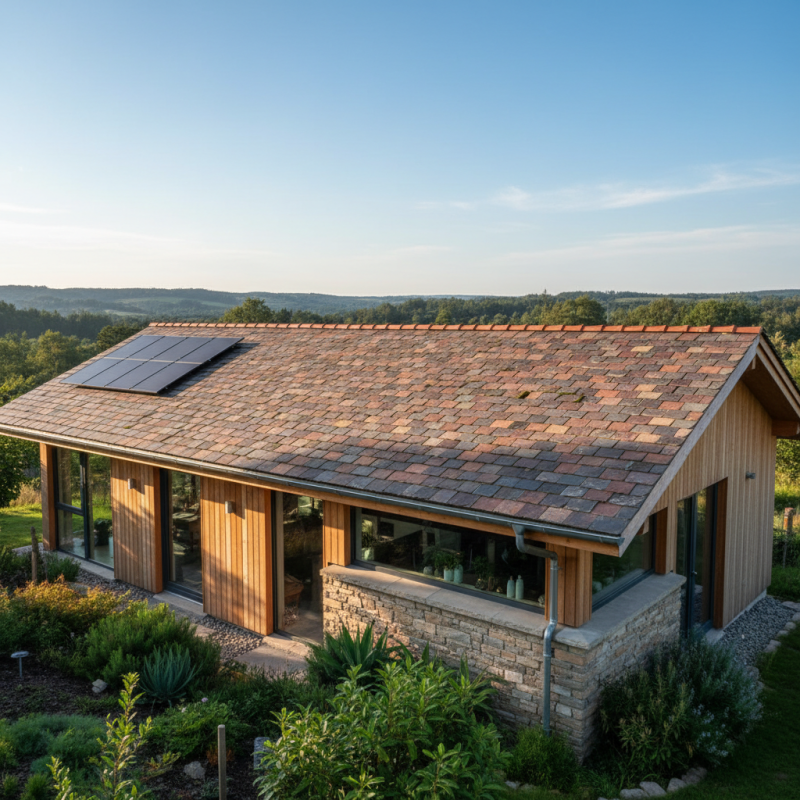
Selecting Eco-Friendly Roofing Tiles requires careful consideration. You need to evaluate different materials. Consider their lifespan, recyclability, and thermal performance. Many tiles come from natural resources, like clay or slate. These options can minimize your carbon footprint.
However, the choices aren't always straightforward. Some tiles may be marketed as eco-friendly, but lack proper certifications. Research and verify the claims made by manufacturers. It’s vital to look beyond aesthetics. Your roof is an essential part of your home’s sustainability strategy. Making informed decisions can lead to lasting benefits for you and the environment.
Understanding Eco-Friendly Roofing Tiles: An Overview
Eco-friendly roofing tiles play a crucial role in sustainable construction. They are designed to reduce environmental impact while providing durability and aesthetic appeal. According to a study by the National Association of Home Builders, about 26% of homeowners consider eco-friendly materials for their renovation projects. This statistic reflects a growing trend towards sustainable living.
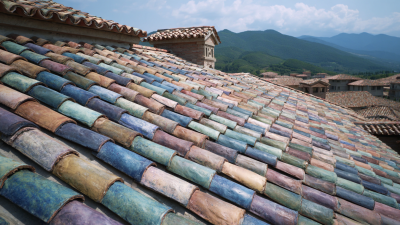
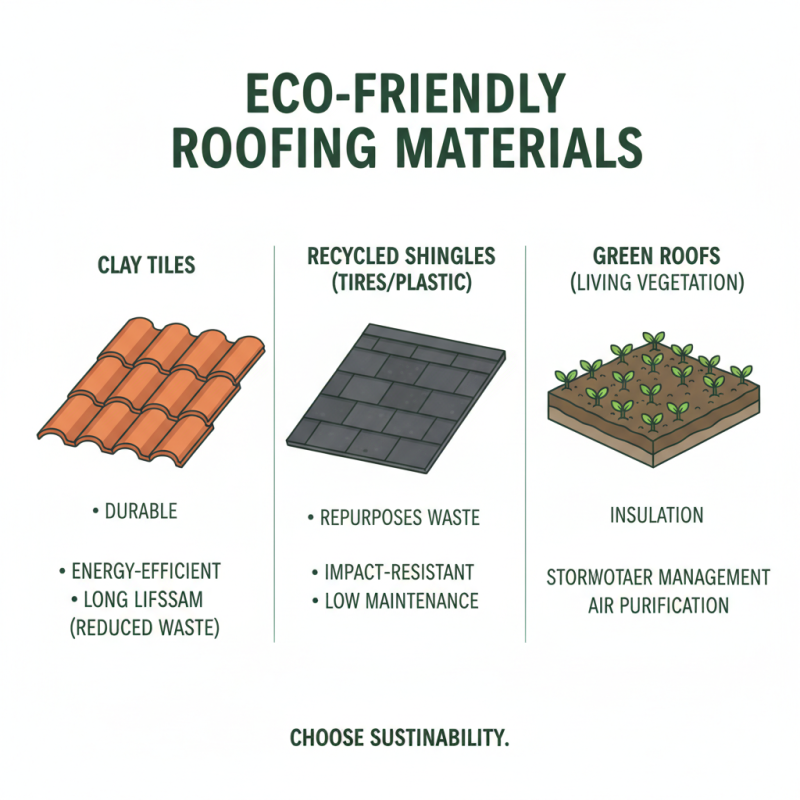
Various types of eco-friendly roofing tiles are available. For instance, clay tiles, made from natural materials, are highly durable and recyclable. They can last over 100 years, making them a long-term investment. However, some tiles may have high energy consumption during production, raising questions about their overall sustainability. Metal roofing is another option, often made from recycled materials. It is lightweight, energy-efficient, and can reflect solar energy, which helps in reducing cooling costs.
When selecting eco-friendly options, it's important to consider local climate conditions. For example, cool roofs can lower temperatures in urban areas. Unfortunately, not all eco-friendly materials perform the same in different environments. Homeowners should weigh the pros and cons of each material carefully. Ultimately, the choice affects not just the home but the environment as a whole.
How to Choose Eco-Friendly Roofing Tiles for Sustainable Homes?
| Material |
Sustainability Rating |
Lifespan (Years) |
Recyclability |
Cost per Square Foot ($) |
| Clay Tiles |
High |
50-100 |
Yes |
5 - 10 |
| Slate Tiles |
Very High |
75-200 |
Yes |
8 - 15 |
| Recycled Metal |
High |
40-70 |
Yes |
6 - 12 |
| Wood Shakes |
Moderate |
30-50 |
No |
5 - 10 |
| Concrete Tiles |
High |
50-60 |
Yes |
4 - 8 |
Types of Eco-Friendly Roofing Materials and Their Benefits
When choosing eco-friendly roofing tiles, consider the various types available and their distinct benefits. Clay tiles are a popular choice for sustainable homes. They are durable and energy-efficient. Additionally, they have a long lifespan, reducing waste over time.
Metal roofing is another option. Made from recycled materials, it reflects heat, lowering cooling costs in warm climates. It's lightweight, which decreases structural strain. However, installation may require skilled labor for optimal results.
Here are some tips for selecting the right materials. Always check the origin of the materials. Sustainable sourcing is crucial in reducing your home’s environmental footprint. Look for certifications that indicate the product’s eco-friendliness. Also, consider the climate in your area. Different materials perform uniquely under various conditions, and not all are suitable for every environment. Lastly, get input from roofing professionals who understand sustainable practices. Their expertise can guide you towards informed decisions.
Factors to Consider When Choosing Sustainable Roofing Tiles
Choosing the right roofing tiles is crucial for sustainability. Several factors need to be considered, including material, lifecycle, and energy efficiency. According to the National Association of Home Builders, eco-friendly roofing can reduce energy costs by up to 20%.
Material is key. Opt for tiles made from recycled or natural materials. Clay and slate tiles are durable and sustainable choices. Additionally, look at the manufacturing process. Some roofs require less energy to produce. This lower carbon footprint can make a big difference.
Tip: Always check for certifications like ENERGY STAR or Green Seal. These can indicate a product’s environmental performance.
Consider the lifespan of the roofing tiles as well. Longevity means fewer replacements. Some tiles may last over 50 years, minimizing waste. Take into account the local climate too. A good roof can help regulate indoor temperatures, contributing to lower energy use.
Tip: Ensure proper installation to maximize efficiency. A poorly installed roof can lead to leaks and increased energy bills. Sustainable choices require careful evaluation and commitment for the best results.
Installation and Maintenance of Eco-Friendly Roofing Solutions
When considering installation, it's crucial to ensure a proper fit for your eco-friendly roofing tiles. Start by assessing your home's structure. The installation process often varies based on the tile material. For instance, clay tiles require sturdy underlayment, while recycled metal may need a different approach. Take your time during the installation to prevent future leaks. Misalignment can lead to costly repairs.
Maintenance is another essential aspect. Eco-friendly roofs often need less upkeep but still require attention. Regular inspections will help identify any potential issues early on. Look for cracks, missing tiles, or signs of moss growth. Cleaning allows your roof to breathe, enhancing durability. Always remember that weather can affect the roof's performance. After heavy storms, check for debris accumulation.
Homeowners may find the maintenance routine daunting. The learning process can involve trial and error. A simple checklist can ease the burden. Over time, developing a keen eye for issues becomes easier. Take notes on what works and what doesn’t. This reflection aids in creating a sustainable roofing plan. Investing time in understanding your roof will pay off in the long run.
Eco-Friendly Roofing Tiles Material Comparison
Cost Implications and Long-Term Savings of Green Roofing Options
When selecting eco-friendly roofing tiles, consider the long-term cost implications. Green roofing options often have higher upfront costs but can lead to substantial savings over time. Energy-efficient materials can minimize heating and cooling expenses. Additionally, many sustainable options have longer lifespans, reducing the need for frequent replacements.
Tips:
Look for certified materials that carry eco-labels. These ensure higher performance and lower environmental impact. Investing in quality now can yield more savings later.
Another important factor is maintenance costs. Sustainable roofs often demand less upkeep due to durable materials. However, poor installations can lead to costly repairs down the line. Ensure to select professionals familiar with eco-friendly practices to avoid future headaches.
Also, consider local climate. Some green roofing options, like cool roofs, can significantly reflect sunlight, leading to energy savings in hot climates. Research how local weather patterns might influence the performance and longevity of your chosen material. Balancing initial expenses with future savings requires careful thought—a process worth the effort.