logo
Leave Your Message

7 Best Tile Roof Types for Global Buyers

Choosing a Tile Roof is not simply a style decision. It is a climate, structure, and maintenance decision.

The International Energy Agency reports that buildings consume about 30% of global final energy. Roof color, ventilation, insulation, and material density can influence indoor comfort and cooling demand. However, performance varies by installation quality. A beautiful roof can still fail when flashing, underlayment, or drainage is neglected.

The Tile Roofing Industry Alliance emphasizes this system-based approach. Rick Olson, its technical director, states, “A tile roof is a system, not just a product.” That principle matters across markets. Clay tiles suit many hot regions, while concrete tiles offer broad shapes and colors. Slate provides a premium natural finish, but its weight and installation demands require careful structural review. Metal tiles can reduce weight, although their coatings and acoustic performance deserve closer inspection.

Recent reports from Grand View Research and Fortune Business Insights identify continuing demand for durable roofing materials, especially in residential construction and climate-exposed regions. Their market estimates differ, partly because “tile” categories are defined differently. That uncertainty is worth acknowledging.

This guide examines seven Tile Roof types for global buyers. It considers weather resistance, expected service life, weight, appearance, cost, and local installation skills. Regional building codes still control the final choice. So does the roof beneath the tile.

No single tile wins everywhere. That is the uncomfortable part. A roof selected from a showroom may look perfect, yet perform poorly beside strong coastal winds or repeated freeze-thaw cycles. Careful buyers compare the material, the roof assembly, and the installer—not the sample alone.
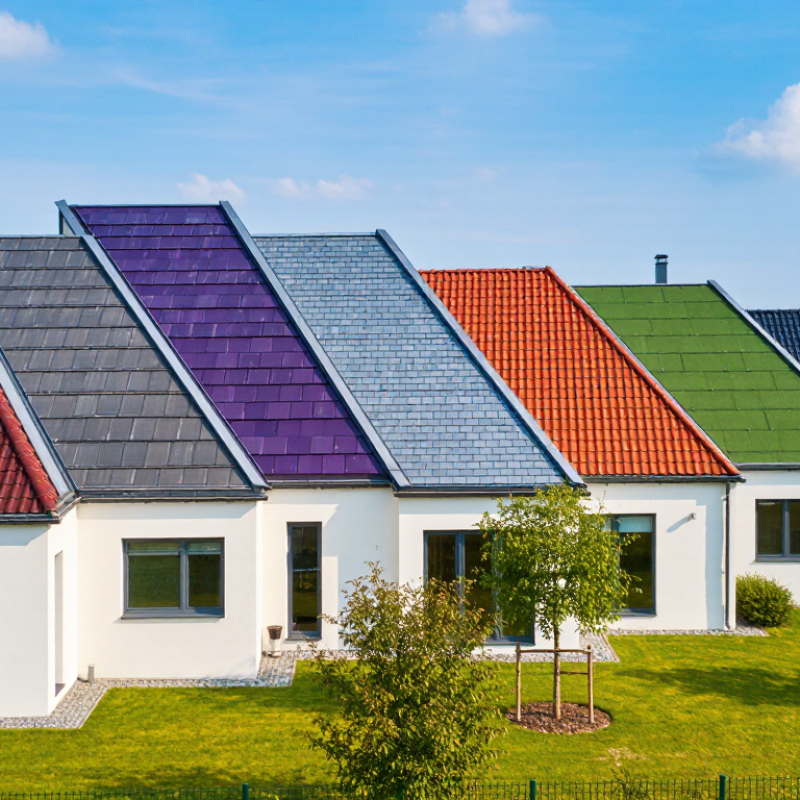
7 Best Tile Roof Types for Global Buyers

Classify Seven Tile Roof Types by Material, Form, and Manufacturing Standard

Seven tile roof types can be classified by material, form, and manufacturing standard.

Plain clay tiles are molded and kiln-fired, creating a warm, uneven surface. Interlocking clay tiles use side and head joints to reduce water entry during heavy rain. Concrete tiles are pressed from cement, sand, and pigments, then cured for strength. Their heavier weight requires careful structural checking.

Natural slate is split from stone and trimmed into flat pieces. It offers a distinctive layered form but may need skilled installation. Stone-coated metal tiles are roll-formed from steel, shaped like traditional tiles, and protected with granular coatings. They are lighter than concrete.

Fiber-cement tiles are factory-pressed and cured, usually with a thin, flat profile. Composite polymer tiles are molded from engineered resins and mineral fillers, allowing varied textures and colors.

Manufacturing standards matter as much as appearance.

Buyers should check dimensional tolerance, water absorption, freeze-thaw performance, fire classification, and wind resistance. Test reports should match the intended climate, not just the sales sample. A coastal roof may need stronger corrosion protection, while a cold region needs verified frost resistance.

Installation standards also control batten spacing, fixing density, underlayment, and ventilation. A beautiful tile can fail when these details are ignored.

One limitation remains: regional standards are not identical, and product labels can be difficult to compare. I would request current technical documents and a local inspection before choosing.
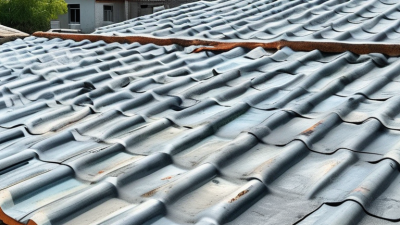
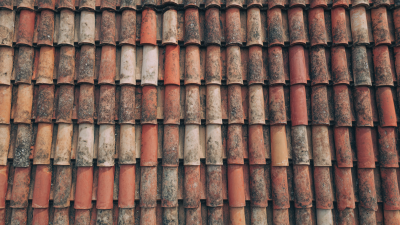
Compare Clay and Concrete Tiles Using EN 1304 and ASTM C1167 Criteria

Choosing among the 7 best tile roof types requires more than comparing appearance. EN 1304 evaluates clay tiles for geometry, mechanical strength, impermeability, and freeze-thaw resistance. ASTM C1167 also covers clay roofing tiles, not concrete tiles. Concrete products usually require ASTM C1492, so treating both materials under one standard is a technical mistake.

Clay tiles are kiln-fired, dense, and naturally color-stable. Their lighter weight can reduce structural demand, but brittle edges need careful handling. Concrete tiles are typically heavier and may offer strong resistance to impact and wind when properly installed. Field inspections often reveal the real weakness: poor battens, inadequate fasteners, or blocked drainage. Standards cannot repair bad workmanship.

The National Association of Home Builders’ Life Expectancy of Home Components report places clay and concrete tile roofs at roughly 50 years or more. That figure depends heavily on climate and maintenance. The International Energy Agency reports that buildings account for about 30% of global energy demand, making roof reflectance and ventilation relevant in hot regions. A pale tile surface may reduce heat gain, but color alone proves little. Verify tested performance, local frost exposure, roof pitch, structural capacity, and replacement-tile availability before purchasing. Small omissions become expensive.

Assess Slate, Composite, and Stone-Coated Tiles by NRCA Life-Cycle Data

For global buyers, the seven leading tile roof types include slate, clay, concrete, composite, stone-coated steel, fiber-cement, and solar-integrated tiles. Life-cycle performance matters more than appearance alone. The NRCA Roofing Manual, Steep-Slope Roof Systems, reports that natural slate can serve for 75 to 100 years or longer when properly installed. Clay and concrete tiles commonly provide 50 years or more. These figures depend heavily on climate, underlayment, fastening, and maintenance.

Composite tiles can reduce weight and simplify handling, but their service life varies widely by formulation. Many products are rated around 40 to 50 years, yet long-term field evidence remains less extensive than slate data. Stone-coated steel tiles often last 40 to 70 years, according to technical assessments published by roofing and metal-building research groups. Their lighter weight can reduce structural demands. However, exposed edges and coastal salt may accelerate coating wear. That detail is easy to overlook.

NRCA life-cycle guidance encourages buyers to assess repair frequency, replacement layers, transport, and disposal. Embodied impacts can change sharply when a roof needs replacement twice. A 2022 European Commission life-cycle framework also emphasizes declared product data, service-life assumptions, and regional transport distances. Ask for an environmental product declaration, installation warranty, and maintenance history. Be skeptical of impressive lifetime claims without local testing. “Lifetime” is not always a measured lifetime. A roof facing hail, freeze-thaw cycles, or tropical humidity may perform very differently from the brochure.

Evaluate Metal and Solar Tiles for Weight, Energy Output, and Climate Fit

For global buyers, seven practical roof categories include standing-seam metal, interlocking metal tile, solar tile, clay, concrete, slate, and synthetic composite.

Weight changes the structural decision. Metal roofing often weighs about 1.5–3.5 pounds per square foot, while concrete or clay tiles commonly exceed 8 pounds per square foot, according to technical guidance from the Metal Construction Association and the Tile Roofing Industry Alliance. Slate can be heavier still. Existing rafters need inspection.

Solar tiles combine roofing and electricity generation, but their climate fit is more complicated. The International Energy Agency Photovoltaic Power Systems Programme reports that solar output depends strongly on sunlight, temperature, orientation, shading, and system losses. NREL’s PVWatts documentation uses approximately 14% default system losses.

In a sunny region, a 4-kilowatt rooftop system might produce roughly 5,200–7,200 kilowatt-hours annually, but humid heat, dust, snow, or poor alignment can reduce this figure.

Metal performs well in coastal, rainy, and fire-prone areas when coatings and fasteners match local conditions. It also sheds snow efficiently, although noisy rain and thermal expansion may bother occupants.

Solar tiles suit clear, unshaded roofs with long service plans. Their installed cost can be difficult to justify on shaded or small roofs. I would not promise equal energy output from every solar-tile design.

Roof shape matters more than brochures suggest. A professional load check, drainage review, and climate-specific yield estimate should guide the final choice.

Rank Global Options by 50-Year Service Life, Wind Ratings, and Total Cost

7 Best Tile Roof Types for Global Buyers

For a 50-year service target, natural slate ranks highest, often lasting 75–100 years with skilled installation. It handles severe wind well when mechanically fixed, but its weight demands strong framing. Clay and terracotta tiles follow, commonly reaching 50–100 years. They perform well in heat and salt air, yet freeze-thaw climates can expose weak points. Concrete tiles offer roughly 50–75 years, strong wind resistance, and a lower purchase price than slate. They are heavy, though.

Metal tiles can provide 40–70 years and excellent wind ratings when fasteners, seams, and edge details meet local standards. Their total cost is usually moderate, but protective coatings require inspection. Fiber-cement tiles may last 30–50 years and reduce structural demands, while composite polymer tiles offer similar service life with easier handling. Their long-term weathering records are shorter. Solar-integrated tiles can last about 25–40 years, but installation and replacement costs remain high.

This ranking is imperfect. Wind ratings depend more on fixing patterns, roof pitch, underlayment, and local testing than tile material alone. Total cost includes framing, shipping, labor, maintenance, and future repairs. A cheap tile can become expensive on a remote island. Ask for tested wind data, freeze-thaw results, salt-spray performance, and written installation requirements. Regional expertise matters. Inspect the roof after major storms, even when the tiles look unchanged.

7 Best Tile Roof Types for Global Buyers - Rank Global Options by 50-Year Service Life, Wind Ratings, and Total Cost

Comparative guide for residential roof replacement. Rankings balance expected service life, wind performance, installation cost, maintenance, and long-term value.

Rank Roof Tile Type Typical Service Life 50-Year Service-Life Outlook Typical Wind Rating Installed Cost
(USD per sq. ft.)
50-Year Maintenance Profile Key Strengths Main Limitations
1 Natural Slate Tile 75–150+ years Excellent 110–150 mph
when properly specified
$15–$30 Low routine maintenance, but periodic inspection of fasteners, flashing, and underlayment is essential. Exceptional longevity, fire resistance, low water absorption, and strong appearance retention. Very heavy; requires a suitable structure and experienced installers. Higher transport and labor costs.
2 Pressed Clay or Terracotta Tile 50–100+ years Excellent 100–150 mph
with mechanical fastening
$10–$20 Low to moderate; underlayment, ridge details, and individual broken tiles may require replacement. Long service life, excellent UV stability, noncombustibility, and suitability for hot climates. Can crack from impact or freezing moisture; heavier and more labor-intensive than lightweight systems.
3 Concrete Tile 50–75 years Very good 100–150 mph
depending on profile and fastening
$8–$18 Moderate; periodic cleaning, fastener checks, flashing inspection, and replacement of damaged tiles may be needed. Strong value, broad color and profile selection, good fire resistance, and widely available installation skills. High structural load; surface color can fade and tiles may chip or crack under severe impact.
4 Stone-Coated Steel Tile 40–70 years Very good 110–160 mph
with approved attachment systems
$9–$18 Low; inspect coatings, exposed fasteners, valleys, and edge details for corrosion or storm damage. Lightweight, suitable for many reroofing projects, good wind performance, and lower structural demand. Coating damage can expose steel; performance depends heavily on corrosion protection and installation quality.
5 Synthetic Composite Tile 40–75 years Good to very good 110–150 mph
for tested systems
$9–$18 Low; generally requires inspections after major storms and replacement of damaged pieces or accessories. Lightweight, impact-resistant options, easier handling, and designs that imitate slate or traditional tile. Long-term aging varies by formulation; color change, thermal movement, and recycling options differ by product.
6 Fiber-Cement Tile 30–50 years Good 90–130 mph
when correctly fastened
$8–$15 Moderate; requires attention to paint or surface finish, moisture control, flashing, and cracked tiles. Moderate weight, traditional appearance, good fire resistance, and often lower material cost than natural slate. More vulnerable to moisture-related damage, edge breakage, and freeze-thaw conditions than clay or slate.
7 Interlocking Flat Concrete Tile 40–60 years Good 90–140 mph
depending on exposure category
$7–$15 Moderate; joints, underlayment, clips, perimeter tiles, and drainage paths should be inspected regularly. Competitive installed price, clean modern appearance, good fire resistance, and efficient coverage. Can retain more heat, adds substantial dead load, and may crack under impact or movement of the roof structure.

Important: Wind ratings apply to tested roof assemblies, not to the tile alone. Actual performance depends on tile profile, roof pitch, deck condition, underlayment, clips or fasteners, edge detailing, exposure category, local building codes, and installation quality.

Cost ranges are broad planning estimates in 2026 U.S. dollars for installed residential roofing, including ordinary labor and accessories but generally excluding major structural reinforcement, unusual access conditions, taxes, and extensive tear-off or deck replacement. Local prices vary substantially by country, climate, labor market, transport distance, and roof complexity.