Best Roof Tile Types for Your Home Project?
Choosing the right roof tile is crucial for any home project. Expert architect Jane Smith emphasizes, “Roof tiles shape the character of your home.” With various materials and styles available, the decisions can be overwhelming.
Clay, slate, and asphalt are popular options. Clay tiles offer durability and a classic look, perfect for Mediterranean styles. However, they can be heavy and costly. Slate tiles, known for their beauty, require professional installation and maintenance. Asphalt shingles provide a budget-friendly solution but may lack longevity.
Not all roof tiles fit every climate. Materials react differently to weather changes. Consider your region's conditions when choosing. Learning from mistakes is essential. A roof tile decision made in haste may lead to regrets later. Research now to ensure a lasting choice for your home.
Best Roof Tile Types for Your Home Project: An Overview of Options
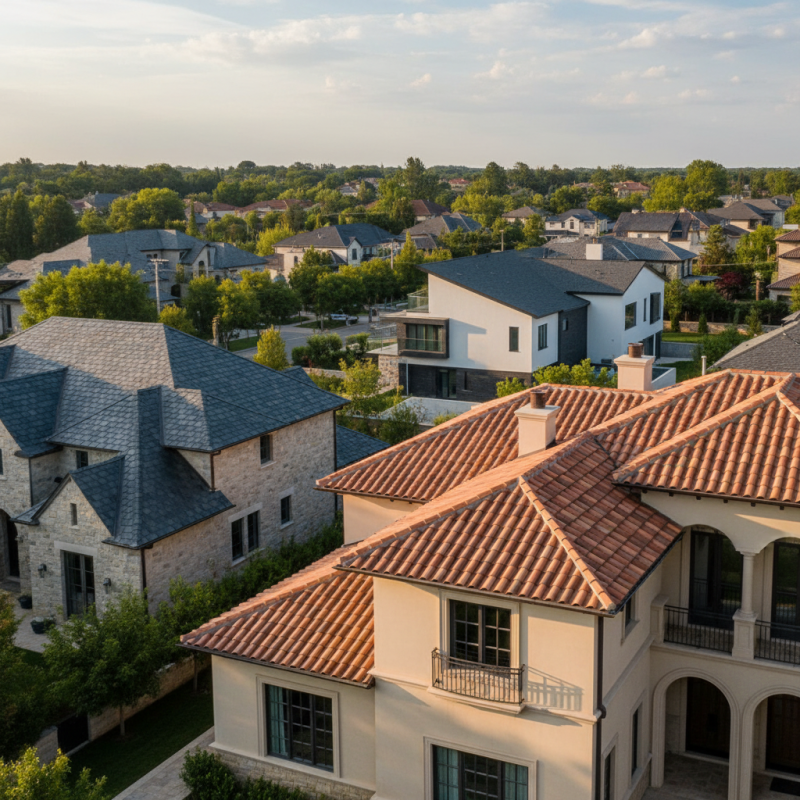
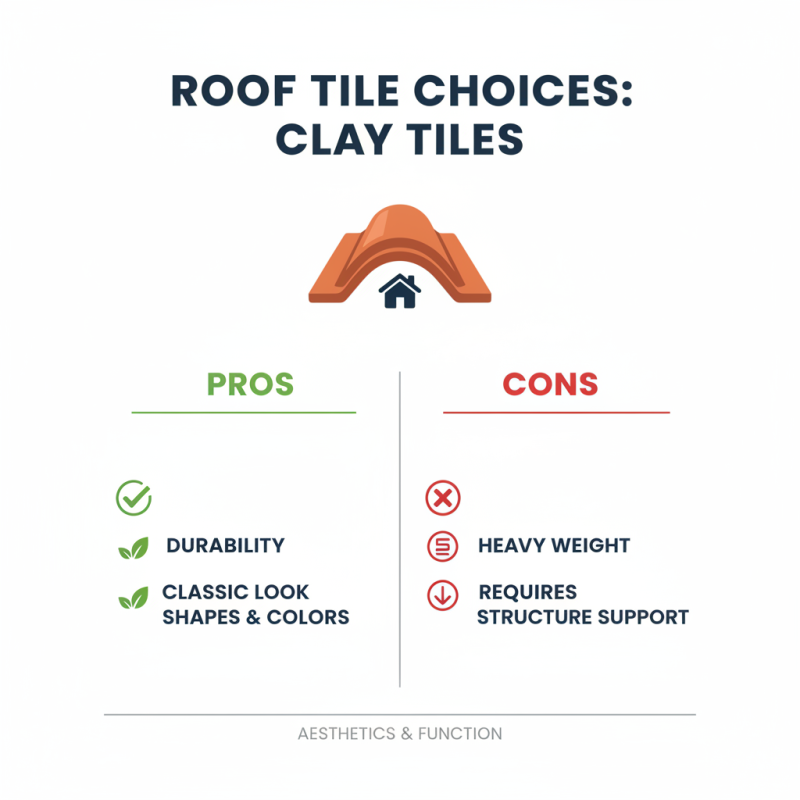
When choosing roof tiles for your home, various types can impact both aesthetics and functionality. Clay tiles are popular, known for their durability and classic look. They come in different colors and shapes, which can complement any architectural style. However, they can be heavy and might require additional structural support.
Concrete tiles are another excellent option. They are versatile and can mimic the appearance of clay or slate. These tiles are cost-effective and provide great insulation. Yet, they might crack in extreme conditions, which is something to consider.
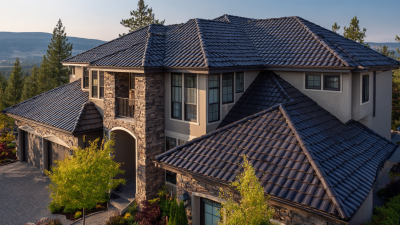
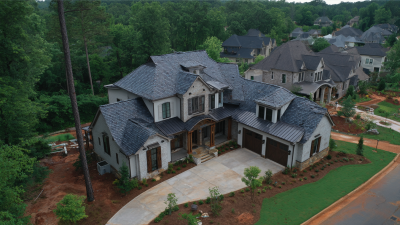
Slate tiles deliver luxury and elegance. Their natural beauty stands out and lasts for decades. However, the cost and installation can be challenging. Understanding these options helps you make an informed decision. The right tile type can elevate your home's charm but requires careful thought.
Clay Roof Tiles: Benefits and Longevity Compared to Other Materials
Clay roof tiles provide a unique blend of beauty and durability for any home project. These tiles can last over 50 years with proper maintenance. In contrast, asphalt shingles typically need replacement every 15 to 30 years. This longevity reduces costs over time, offsetting the initial investment many homeowners face. Many industry reports indicate that homes with clay tiles can maintain higher resale values, appealing to buyers looking for long-term quality.
The benefits of clay tiles extend beyond their lifespan. They offer superior resistance to harsh weather conditions. They can withstand winds up to 120 miles per hour, a crucial factor in storm-prone areas. Furthermore, clay tiles are energy-efficient. Their natural thermal properties help maintain indoor temperatures. This leads to lower energy bills during both summer and winter. However, installation can be complex and costly, leading some homeowners to hesitate.
While clay tiles shine in many aspects, they come with challenges. Their heavier weight requires a stronger roof structure. This can increase initial project costs. Also, some colors may fade over time, necessitating adjustments. It's essential to weigh these factors against their undeniable advantages when selecting the best roofing material for your project.
Best Roof Tile Types for Your Home Project?
| Tile Type |
Material |
Lifespan (Years) |
Benefits |
Drawbacks |
| Clay Tiles |
Clay |
50+ |
Durable, energy-efficient, aesthetic appeal |
Heavy, expensive installation |
| Concrete Tiles |
Concrete |
30-50 |
Affordable, fire-resistant, versatile |
Moderate weight, potential cracking |
| Slate Tiles |
Slate |
50-100 |
High durability, unique appearance |
Very expensive, heavy |
| Metal Tiles |
Metal |
40-70 |
Lightweight, recyclable, energy-efficient |
Noise during rain, potential rust |
| Asphalt Shingles |
Asphalt |
15-30 |
Cost-effective, easy to install |
Shorter lifespan, less eco-friendly |
Concrete Roof Tiles: Durability, Cost, and Installation Insights
Concrete roof tiles are a popular choice for many homeowners. They offer durability and can withstand harsh weather. These tiles resist cracking and fading, making them a long-term investment. The weight of concrete tiles can be a concern during installation. Proper support is essential to ensure the structural integrity of the roof.
In terms of cost, concrete roof tiles can be more affordable than other materials. However, installation may require professional help. DIY installation can lead to mistakes, especially if you're unfamiliar with roofing techniques. This could result in unexpected expenses down the line.
When considering concrete roof tiles, think about your local climate. Regions with heavy rain or snow could benefit from their robust nature. The tiles can also help with energy efficiency. They reflect sunlight, keeping homes cooler in hot weather. However, the color options may not appeal to everyone. Some homeowners may prefer the aesthetic of clay or slate tiles instead.
Slate Roof Tiles: Aesthetic Appeal and Performance Data
Slate roof tiles stand out for their unique aesthetic appeal. They provide a natural elegance that's hard to replicate. Their durability is equally impressive. According to a report by the National Roofing Contractors Association, slate roofs can last over 100 years with proper maintenance. This longevity translates into fewer replacements and long-term savings.
However, installation can be challenging. Slate tiles are heavy and require a solid frame to support them. Not all homes are built for this. Even a slight misalignment during installation can lead to issues. A study in the Journal of Architectural Engineering highlights that improper installation can shorten a slate roof's lifespan.
In terms of performance, slate has excellent thermal properties. It helps regulate home temperature, reducing energy costs. Research shows that buildings with slate roofing can save up to 15% on cooling costs. Yet, the initial investment can be daunting. Homeowners must weigh these factors carefully before commitment. Choosing the right tile is essential for balancing aesthetic appeal with practical performance.
Metal Roof Tiles: Energy Efficiency and Lifespan Analysis
Metal roof tiles have gained popularity for energy efficiency. They reflect sunlight, keeping homes cooler. According to the Metal Roofing Alliance, metal roofs can reduce cooling costs by up to 25%. This can be significant in hot climates where energy bills skyrocket.
The lifespan of metal roof tiles also stands out. Typically, they last 40 to 70 years with proper maintenance. In contrast, traditional asphalt shingles may last only 15 to 30 years. This durability can provide value in the long run, especially in areas with severe weather conditions. However, some homeowners express concern about the initial cost. Metal roofs can be pricier upfront, yet many find the long-term savings worth it.
Environmental impact is another consideration. Many metal roofs are made from recycled materials. This can reduce the carbon footprint of a home. Yet, not every type of metal roofing offers the same eco-friendly benefits. It's essential to evaluate individual products and their life cycle. Homeowners should weigh these factors carefully before deciding.