Exploring the Best Roof Sheet Options in China Top Manufacturers
In recent years, the demand for quality roof sheets in China has grown significantly. These sheets are essential for construction and renovation projects. Choosing the right roof sheet impacts durability, insulation, and overall aesthetics. Many manufacturers offer various materials, including metal, plastic, and tiles.
It can be overwhelming to navigate the plethora of roof sheet options available. Each type has unique benefits and challenges. Some are lightweight, while others provide excellent thermal insulation. Researching reputable manufacturers is crucial. This ensures the quality of the product meets industry standards.
Despite the abundance of choices, many buyers struggle with decision-making. Some may prioritize price over quality, leading to regrets later. It's vital to weigh the pros and cons before committing to any specific roof sheet type. Understanding the market can help make a well-informed choice, ultimately leading to better construction outcomes.
Overview of Roof Sheet Options Available in China
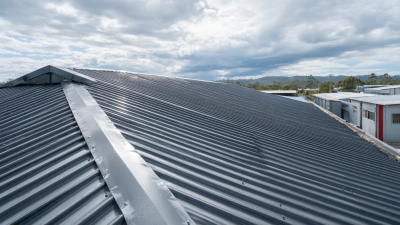
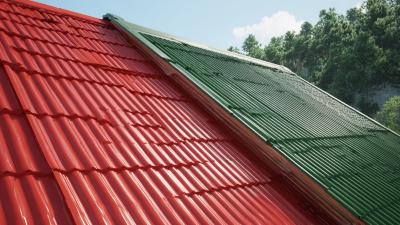
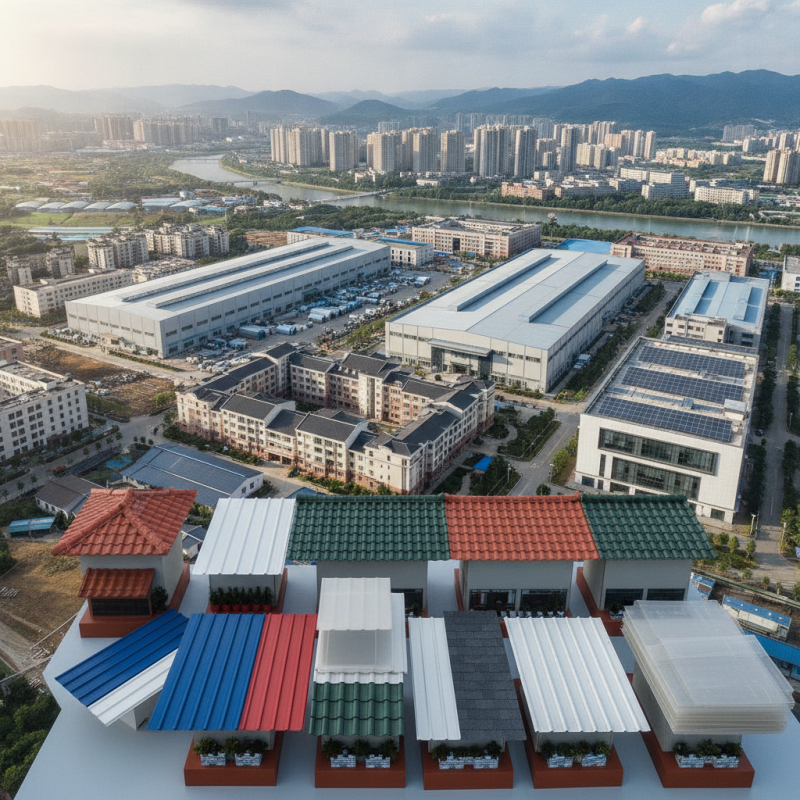
When it comes to roof sheets, China offers a diverse range of options suitable for various needs. Metal sheets, particularly galvanized steel and aluminum, are popular due to their durability and corrosion resistance. These materials are lightweight, making them easier to transport and install. The color options available also allow for aesthetic flexibility.
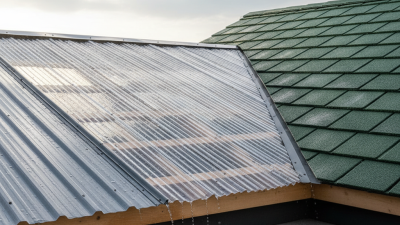
Another common choice is fiberglass reinforced plastic sheets. These provide excellent insulation and are often used in industrial applications. Their translucent qualities allow natural light to filter through, reducing energy costs during the day. However, they may require more maintenance to prevent yellowing over time.
There are also polycarbonate sheets, known for their impact resistance and versatility. They can be used in both residential and commercial projects. While they offer good thermal insulation, their higher price point may deter some buyers. Ultimately, selecting the best roof sheet involves weighing these options against budget and intended use, highlighting the importance of informed decision-making.
Exploring the Best Roof Sheet Options in China
| Material Type |
Thickness (mm) |
Weight (kg/m²) |
Durability (years) |
Cost per m² (USD) |
| Steel |
0.5 |
10 |
20 |
3.5 |
| Aluminum |
0.6 |
7 |
25 |
5.0 |
| PVC |
1.0 |
8 |
15 |
2.8 |
| Fiberglass |
3.0 |
6 |
30 |
4.0 |
| Bitumen |
2.0 |
9 |
20 |
3.0 |
Key Characteristics of Popular Roof Sheet Materials
When selecting roof sheet materials, key characteristics play a vital role. Among them, durability, weight, and insulation are essential factors. Steel and aluminum sheets are popular due to their strength. They can last over 50 years with proper maintenance. Furthermore, they are lightweight, reducing structural load while still providing excellent weather resistance.
Plastic roofing materials, like polycarbonate, offer unique benefits. They are highly resistant to breaks and impacts. According to industry reports, these sheets can transmit up to 90% of natural light. This feature helps in energy savings by reducing the need for daytime artificial lighting. However, these materials can become brittle over time under UV exposure, emphasizing the need for careful evaluation before purchasing.
Texture and aesthetic appeal also matter. Metal sheets often feature a variety of finishes. Conversely, concrete tiles provide a classic look but are significantly heavier. The market reports indicate an increasing demand for eco-friendly options. Understanding these characteristics will help consumers make more informed choices. Each material has its advantages and drawbacks, requiring careful consideration.
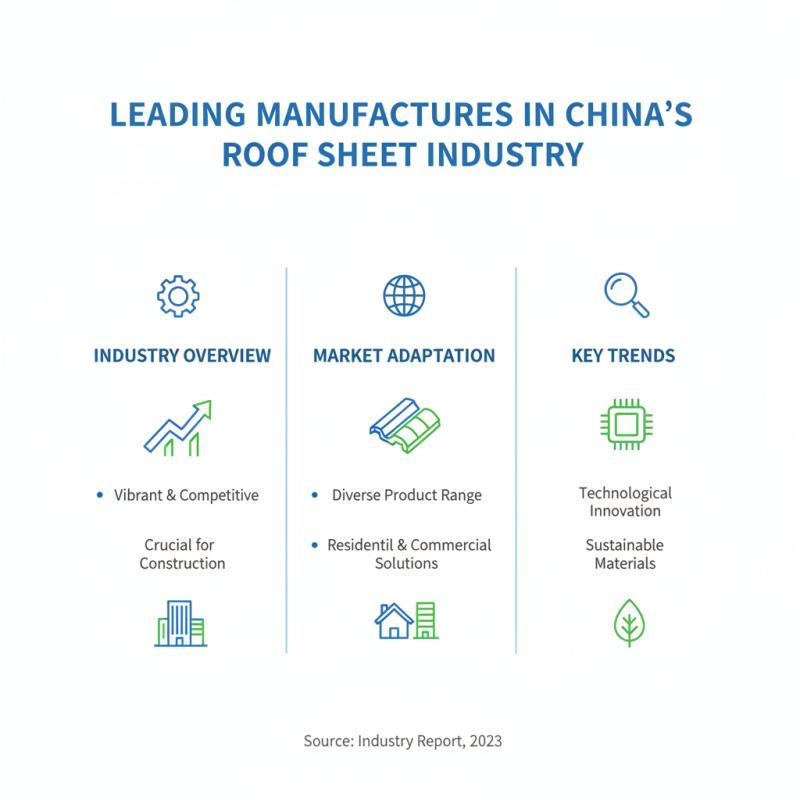
Leading Manufacturers in China's Roof Sheet Industry
The roof sheet industry in China is vibrant and competitive. Major players are adapting to market demands, offering a diverse range of products. This sector is crucial for construction, providing solutions for residential and commercial buildings.
According to a recent industry report, China produces over 5 million tons of roof sheets annually. This figure reflects a significant growth rate of approximately 7% over the past five years. Leading manufacturers are focusing on innovation and sustainability. Many companies are exploring eco-friendly materials that reduce environmental impact. However, despite advancements, quality control remains a concern for some manufacturers.
The increasing demand for durable and cost-effective roofing options shapes the market landscape. Companies face pressure to balance quality and price. This dynamic forces them to rethink their strategies continuously. Additionally, regulatory changes may affect production processes. Keeping up with compliance can be a challenge for manufacturers. Industry reports highlight that around 30% of firms struggle with this aspect.
Comparative Analysis of Costs and Benefits of Different Roof Sheets
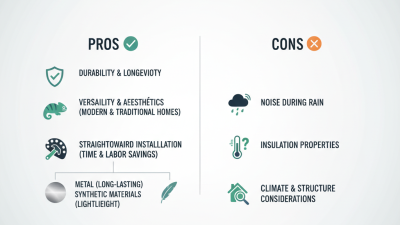
When considering roof sheet options in China, cost and benefits greatly influence decisions. A recent industry report indicates that metal sheets dominate the market, capturing over 40% of installations. These sheets provide durability and resistance against harsh weather, ideal for many urban locations. However, their initial cost can be higher than alternatives.
On the other hand, PVC roof sheets offer a competitive edge. They are lightweight and easier to install, often resulting in lower labor costs. Studies show that PVC sheets may reduce heating expenses by up to 20% due to their reflective properties. Yet, they may have a shorter lifespan compared to traditional options, raising questions about long-term investments.
As builders and homeowners evaluate these materials, understanding long-term benefits and drawbacks is crucial. The cheapest option today might not be the best in ten years. Choices should align not just with short-term needs but also with sustainability goals and environmental impacts. Thoughtful analysis is key in navigating this complex market.
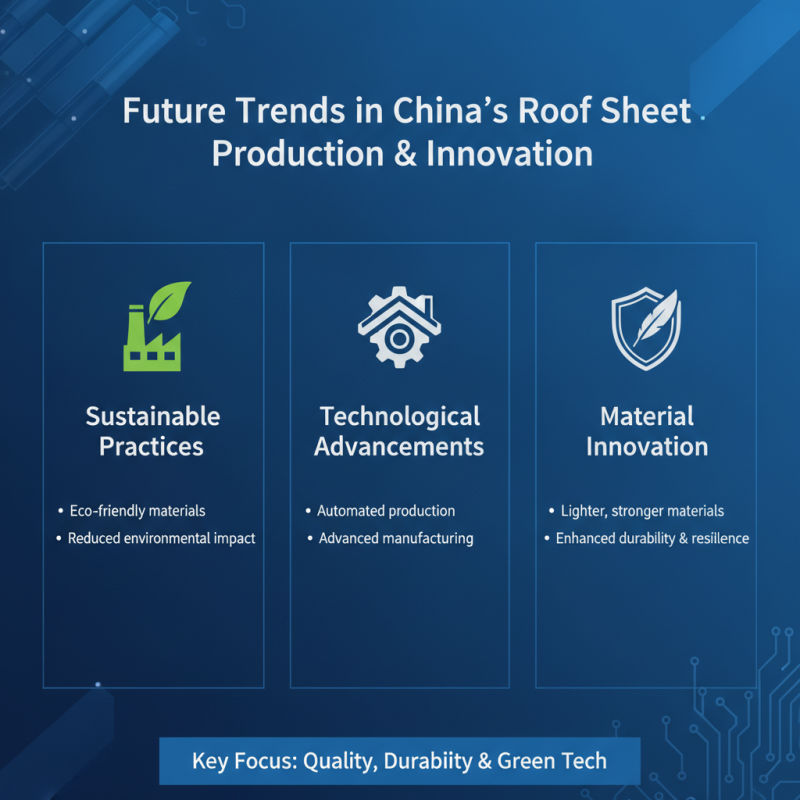
Future Trends in Roof Sheet Production and Innovation in China
The roof sheet production industry in China is rapidly evolving. Manufacturers are increasingly focusing on innovative materials and sustainable practices. This shift not only enhances the quality of roof sheets but also reduces environmental impact. New technologies in production processes are being implemented, highlighting the importance of durability and the need for lighter, more resilient materials.
As market demands shift, manufacturers are turning their attention to energy efficiency. Insulation properties are now a primary consideration in roof sheet design. Polycarbonate and thermoplastic sheets are gaining traction due to their energy-saving potential. These materials can reflect sunlight and keep buildings cooler, thus reducing air conditioning costs. However, challenges arise. Not all manufacturers enhance these properties equally, leading to variability in product performance.
Future trends suggest a strong emphasis on recycling and sustainability. A growing number of companies are integrating recycled materials into their production. This not only conserves resources but also meets consumer demand for eco-friendly options. Yet, the implementation of such practices can be inconsistent across the industry. Many smaller manufacturers still struggle with supply chain limitations and production costs. The path forward will require collaboration and innovation to ensure a greener future for roof sheets in China.