2026 Best Residential Roof Tiles for Your Home Needs?
When selecting the best residential roof tiles, various factors come into play. Homeowners face a multitude of options, each with unique benefits. Understanding these differences is essential for making an informed decision.
Residential roof tiles can enhance the aesthetic and functional appeal of your home. They offer durability, style, and energy efficiency. However, the market is saturated. It can be confusing to navigate through the choices available.
Consider the climate in your area, the architectural style of your home, and your budget. High-quality materials can offer long-term savings. There are tiles that look stunning but may not perform well over time. Balancing aesthetics with practicality is crucial. Your choice can significantly affect your home's value and energy consumption.
Understanding Residential Roof Tiles: A Comprehensive Guide
When selecting residential roof tiles, understanding the various types is crucial. Roof tiles can vary widely in materials, styles, and durability. Common types include clay, concrete, and slate tiles. Each material offers unique benefits and challenges for homeowners. For instance, clay tiles are known for their longevity and aesthetic appeal, but they can be heavy and require sturdy support.
Tips: Consider the climate in your area. For regions with heavy rainfall, concrete tiles may drain better. In hotter climates, clay tiles provide excellent thermal resistance. Don’t overlook local building codes and regulations. They can dictate the types of materials you can use.
You should also think about maintenance needs. Some tile types require regular upkeep to prevent damage. Slate tiles are beautiful but can be costly to repair. Clay and concrete tiles tend to be more durable but may require inspections after severe weather. It’s important to reflect on your priorities. Balancing aesthetics and practicality will lead to a better decision.
Types of Residential Roof Tiles: Pros and Cons Explained
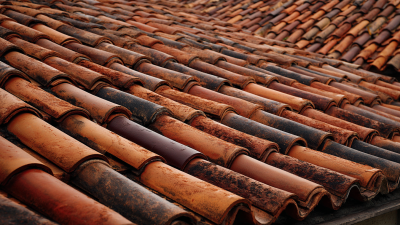
When selecting roof tiles for residential use, understanding the types available is crucial. Clay tiles are known for their durability and heat resistance. Reports show they can last over 50 years with proper maintenance. However, they are heavier than other options. This may require additional structural support, which can add to overall costs.
Concrete tiles are another popular choice. They mimic the look of clay but are generally more affordable. This material is fire-resistant and can withstand severe weather conditions. However, the weight of concrete tiles can also necessitate extra support. Homeowners should be prepared for these structural considerations before making a final choice.
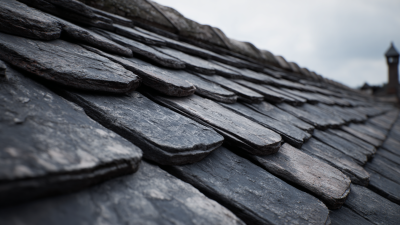
Slate tiles are prized for their aesthetic appeal and longevity. They typically last over 100 years, making them a long-term investment. Yet, their high cost and weight can deter many buyers. Installation can be complex, requiring specialized skills. These factors may lead some homeowners to reconsider their options. Balancing beauty, cost, and practicality is essential in deciding the best roof tiles for your home.
Choosing the Right Material for Your Roof Tiles: Key Factors
Choosing the right material for your roof tiles is essential for your home's longevity and aesthetics. Various factors should guide your decision. Consider climate, style, and maintenance requirements. Each material has its pros and cons. For example, clay offers elegance but can be heavy. Asphalt is more affordable but may not last as long.
Tip: Evaluate your local environment. If you live in an area with heavy rainfall, opt for tiles that drain efficiently. This will help prevent water buildup and potential leaks.
Another factor to think about is energy efficiency. Some materials provide better insulation than others. Slate tiles, for example, can keep your home cool in summer. This could save on energy costs over time.
Tip: Look into the lifespan of each tile option. While some may have lower initial costs, others may require replacements sooner. Weigh your current budget against long-term expenses. Make choices not just for now but for the future too.
Installation and Maintenance Tips for Long-lasting Roof Tiles
When it comes to roof tiles, proper installation and maintenance are vital for longevity. Selecting the right tiles is just the beginning. Before installation, ensure the roof structure is sound. A strong foundation allows for better support and performance. It's essential to check for any existing damage. Small issues can escalate if unaddressed.
Regular maintenance is crucial in extending the life of your roof tiles. Inspect them every season, especially after heavy storms. Remove any debris that may accumulate. This helps prevent moisture buildup. Sometimes, tiles can crack or become loose. Addressing these problems early can save time and money later. Regular cleaning ensures that mold and algae do not develop.
Lastly, don’t overlook the importance of professional help. While DIY fixes seem tempting, errors can lead to costly repairs. Consulting roofing experts adds another layer of security. They can provide personalized advice based on your area's weather patterns. Understanding your tiles and their specific needs is important for durability. Each tile type may have distinct requirements regarding upkeep and inspection.
2026 Best Residential Roof Tiles
Top Brands and Innovations in Roof Tile Manufacturing for 2026
As we approach 2026, advancements in roof tile manufacturing continue to reshape residential options. Innovations focus on durability, sustainability, and aesthetics. Recent industry reports indicate that homeowners increasingly prioritize eco-friendly materials, resulting in a significant rise in the demand for tiles made from recycled products. In fact, sustainable options now account for over 30% of new installations, highlighting a shift in consumer preferences.
When considering roof tiles, explore options with enhanced energy efficiency. New technologies allow tiles to reflect more sunlight, reducing cooling costs. This can be especially beneficial in warmer climates where energy expenses climb in the summer months. Innovations in manufacturing processes mean lighter tiles are now available, making them easier to install, thus reducing labor costs.
Tips: Always verify the warranties offered. A longer warranty can indicate confidence in the material's longevity. Additionally, consider tiles with enhanced weather resistance. These can withstand harsher conditions, extending their lifespan and performance. Regular maintenance is vital; neglect can lead to premature failure. Stay informed about the latest materials and technologies to make the best choice for your home.