Top 10 Benefits of a Tile Roof for Your Home?
A Tile Roof is more than just a stylish choice for homeowners. It brings numerous benefits that enhance your living experience. From durability to energy efficiency, these roofs stand out in various aspects.
Imagine a roof that can last for decades. Tile roofs are known for their longevity, often surviving harsh weather conditions. This results in fewer repairs and replacements over time. The natural materials used also contribute to their sustainability.
Moreover, a Tile Roof can significantly improve your home's insulation. This means lower energy bills and a more comfortable environment year-round. While tile roofs might come with a higher initial cost, their long-term benefits can outweigh this expense. Nevertheless, potential homeowners need to reflect on the aesthetic impact and ensure it aligns with their vision. Embracing a Tile Roof is a step toward a resilient and efficient home.
Advantages of Durability and Longevity in Tile Roofs
Tile roofs are increasingly popular among homeowners due to their remarkable durability and longevity. They can last over 50 years with proper maintenance. This longevity translates to significant cost savings over time. According to industry reports, homeowners can save approximately 50% on roofing repairs when choosing tile roofs. This is an enticing factor for those considering a new roof.
In terms of durability, tile roofs offer remarkable resistance to severe weather conditions. They can withstand high winds, heavy rain, and even hail. A study by the National Roofing Contractors Association highlights that tile roofs have a remarkable ability to resist UV degradation. This keeps them looking vibrant for decades. However, it is essential to be mindful of installation. Improper installation can lead to issues down the line. Homeowners should choose skilled professionals to ensure longevity.
While tile roofs are a smart choice, there are challenges. They are heavier than asphalt shingles, requiring additional structural support. Additionally, maintenance can involve more than just cleaning. Inspecting the tiles is crucial to prevent water infiltration. Knowing these factors can help homeowners make informed decisions about their roofing needs.
Top 10 Benefits of a Tile Roof for Your Home
| Benefit |
Description |
| Durability |
Tile roofs can last over 100 years, providing long-term protection for your home. |
| Low Maintenance |
Requires minimal maintenance, saving homeowners time and money. |
| Fire Resistant |
Tile roofs are highly fire resistant, adding an extra layer of safety to your home. |
| Energy Efficiency |
Can improve energy efficiency by reflecting sunlight and keeping homes cooler. |
| Weather Resistance |
Withstands extreme weather conditions including hail and heavy rain. |
| Aesthetic Variety |
Available in a wide range of colors and styles to complement home designs. |
| Eco-Friendly |
Made from natural materials and can be recycled at the end of their lifespan. |
| Increased Home Value |
Tile roofs can enhance the resale value of a property due to their longevity and aesthetics. |
| Sound Insulation |
Provides better sound insulation compared to other roofing materials. |
| Improved Structural Strength |
The weight and material of tile roofs contribute to overall structural strength. |
Energy Efficiency Benefits of Choosing Tile Roofing
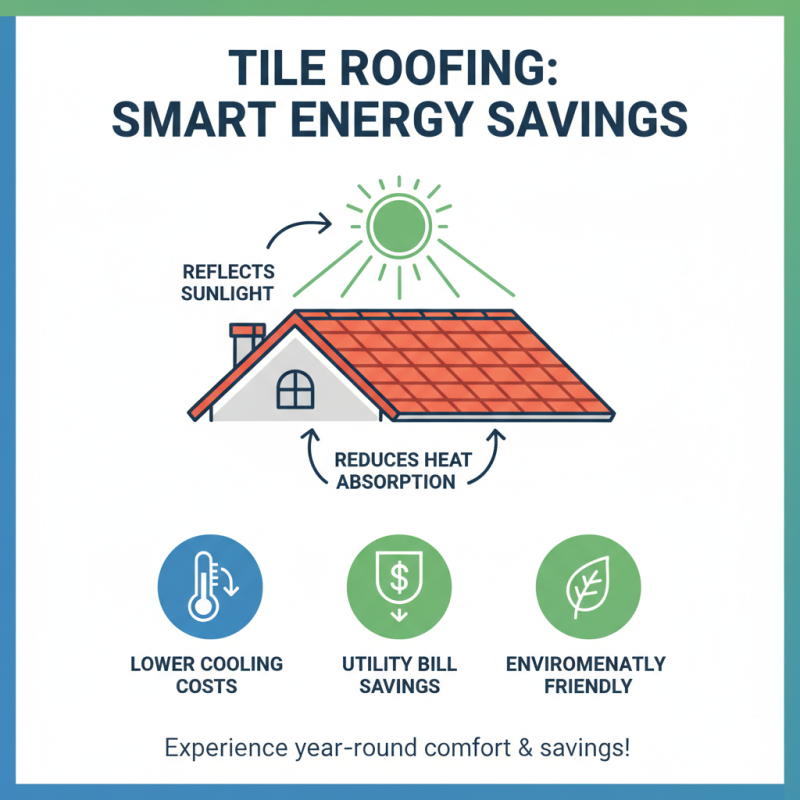
Tile roofing offers remarkable energy efficiency benefits. These roofs are designed to reflect sunlight, reducing heat absorption. As a result, your home's cooling costs can significantly drop during the hot months. This energy efficiency is not just a number; it translates into real savings on your utility bills.
Tile roofs can also improve insulation. They help maintain a stable indoor temperature, keeping homes cooler in summer and warmer in winter. Imagine walking into your home during a heatwave and feeling a refreshing difference. However, it's essential to ensure that your tile roof is properly installed. Poor installation can lead to leaks and increased energy costs.
While tile roofing is durable, it isn’t perfect. In areas with heavy snowfall, the weight needs careful consideration. Seek a professional opinion to ensure your home can support this roofing type. Embracing tile roofing means weighing benefits against challenges. It’s about finding the right balance for your home’s unique needs.
Aesthetic Appeal and Design Options for Tile Roofs
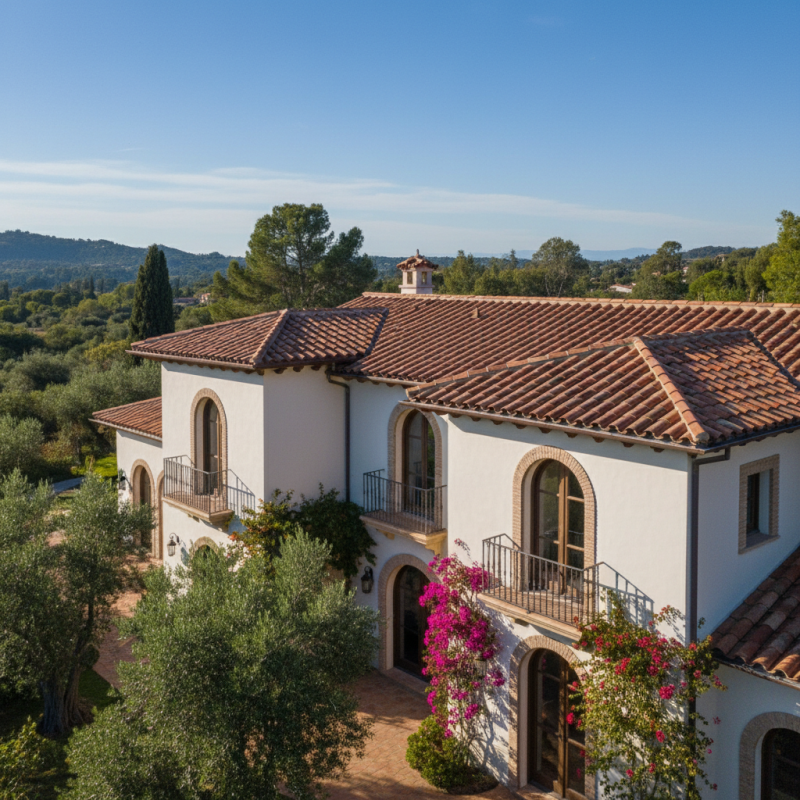
Tile roofs offer remarkable aesthetic appeal and versatility in design. Homeowners can choose from various colors, sizes, and textures to match their style. According to a recent survey, over 65% of prospective buyers value curb appeal. A tile roof can enhance a home's exterior and boost its market value. The vibrant hues of tiles can complement the local environment, making a house feel like a cohesive part of its surroundings.
The unique shapes of tile roofs also play a role in their visual charm. From traditional Mediterranean curves to modern sleek lines, tile roofs provide options for any architectural design. Statistics show that homes with unique roof designs can appreciate faster than conventional styles. However, some homeowners might overlook maintenance needs associated with elaborate tile designs. Cracks or chips can occur over time. Regular inspections are essential to keep the roof’s beauty intact.
Additionally, tile roofs are eco-friendly. Many tiles are made from natural materials like clay and slate. These materials contribute to a sustainable building aesthetic. Yet, choosing the right tile can be challenging, as not every type suits every climate. Some tiles perform poorly in extreme weather, potentially leading to future repairs. Balancing aesthetics and functionality is key to a successful tile roof investment.
Top 10 Benefits of a Tile Roof for Your Home
Environmental Impact and Sustainability of Tile Roofing Materials
Tile roofing offers significant environmental benefits. Made from natural materials, it has a smaller carbon footprint than other roofing options. Clay and concrete tiles are durable and can last over 50 years, reducing the need for frequent replacements. This longevity is crucial in minimizing waste. Each tile can be recycled at the end of its life, contributing to sustainable practices.
The manufacturing process of tile roofs requires less energy compared to asphalt shingles. While firing tiles does take energy, the overall lifecycle impact is lower. They also reflect sunlight, which can help decrease energy bills. Yet, many homeowners don’t consider insulation needs with tile roofs. It’s essential to ensure that your home is well-insulated to maximize energy efficiency.
Some challenges remain. Tile roofs can be heavier, requiring strong structural support. In certain areas, this might limit installation options. Additionally, the initial costs may be higher than other roofing types. However, investing in tile roofs often pays off in the long run. The environmental impact is worth the consideration. Choosing tile roofing is a step toward a more sustainable future, even if it requires some adjustments.
Cost Savings and Value Addition of Tile Roofs Over Time
Tile roofs are gaining popularity due to their cost savings and long-term value. The initial investment is often higher than asphalt shingles, but the longevity balances this out. According to the National Roofing Contractors Association, tile roofs can last over 50 years with proper maintenance. This longevity reduces the frequency of replacements, leading to significant savings.
Moreover, tile roofs are energy efficient. They can reflect UV rays, lowering cooling costs in warmer months. Studies show energy savings of up to 30% compared to traditional roofs. This reduction in energy consumption translates into lower utility bills over time, contributing to overall savings.
Additionally, homes with tile roofs can see an increase in property value. Research indicates that homes with tile roofs sell for approximately 15% more than those with asphalt shingles. However, prospective homeowners may overlook the maintenance needs of tiled roofs. Weather conditions can impact their durability if not properly cared for. Balancing initial costs, energy savings, and value can be complex for homeowners.