What is the Average Cost of a Tile Roof?
When considering a new roof, the Tile Roof Cost can vary significantly. According to a report by the National Roofing Contractors Association, the average cost of a tile roof ranges from $15 to $30 per square foot. This means a typical project could cost anywhere from $10,000 to $30,000, depending on the size and complexity.
Expert Richard Johnson, a roofing consultant, emphasizes, "Investing in a quality tile roof pays off in the long run." His insight reflects the balance of cost and durability. Tile roofs are known for their longevity, often lasting over 50 years with proper maintenance.
Yet, the upfront costs can be daunting. Homeowners may struggle to see the value when prices seem high. It's essential to weigh initial expenditures against long-term benefits. The Tile Roof Cost may initially challenge budgets, but understanding its advantages could lead to a more informed decision.
Understanding Tile Roofing: An Overview of Materials and Types
Tile roofing offers a unique blend of durability and aesthetic appeal. There are several materials commonly used for tile roofs, including clay, concrete, and slate.
Clay tiles are known for their longevity, often lasting over 100 years. Concrete tiles provide a cost-effective option, with a lifespan of 50 years or more. Slate, while beautiful, can come with a higher price tag, often exceeding $1,000 per square.
Different types of tile offer distinct advantages. For example, clay tiles are excellent for areas with high temperatures. They can reflect sunlight, helping to keep homes cool. Concrete tiles, on the other hand, can mimic the look of wood shakes or natural slate, giving homeowners a variety of design options. However, installation complexity can increase costs and time. An industry report by the National Roofing Contractors Association suggests that tile roofs typically cost between $15 to $30 per square foot, depending on material and installation fees.
While tile roofs are attractive, they can present challenges. The weight of tile roofing can necessitate structural reinforcement for older homes. Additionally, installation requires skilled labor, which may limit availability and increase project timelines. Understanding these factors can be crucial for homeowners considering this durable roofing option.
Factors Influencing the Cost of Tile Roof Installation
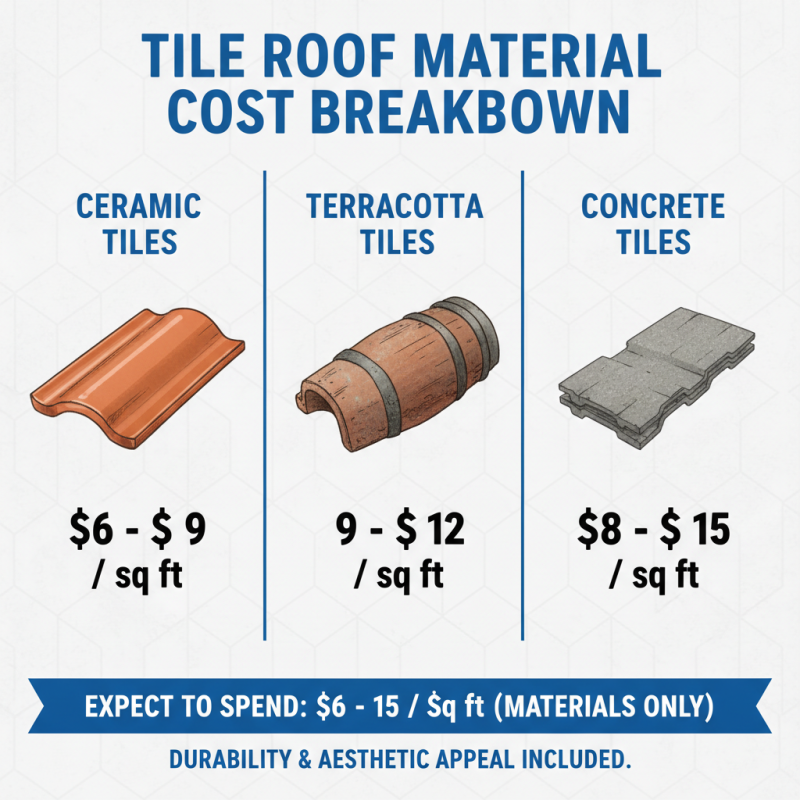
The cost of tile roof installation can vary significantly. Several factors play a crucial role in determining the overall expense. One major factor is the type of tile used. For instance, clay tiles generally range from $7 to $13 per square foot, while concrete tiles can range from $5 to $10. The choice between these materials impacts not only the cost but also the lifespan and appearance of the roof.
Labor costs are another critical factor. Depending on the region, labor can account for 30% to 50% of the total installation price. Regions with higher living costs typically see increased labor rates. Additionally, installation complexity influences labor costs. Rooftops with intricate designs or numerous features require more time and skill, which can raise expenses.
Roof slope and accessibility also influence pricing. A steeper roof may demand extra safety measures, increasing labor time. Moreover, roofs that are difficult to access can further inflate costs due to the need for specialized equipment. Homeowners should consider these aspects carefully. The initial lower price might lead to higher long-term costs if not planned correctly.
Comparing Tile Roofs to Other Roofing Options: Cost Perspectives
When considering roofing options, tile roofs stand out for their unique charm and durability. However, it's essential to compare their costs with other materials like asphalt shingles and metal roofing. For many homeowners, tile roofs can be an investment. They often come with higher upfront expenses, usually ranging from $15 to $30 per square foot. This can make them less appealing compared to more affordable options.
On the other hand, tile roofs offer longevity, with lifespans often exceeding 50 years. In contrast, asphalt shingles might only last 15 to 20 years. While the initial cost of tile is higher, it could result in savings over time due to lower maintenance and replacement needs. Still, some might find the weight of tile roofs challenging. They require additional structural support, increasing overall costs.
Moreover, the installation process for tile roofs can be more complex and labor-intensive. This complexity can deter some homeowners. However, the aesthetic appeal and overall durability cannot be ignored. Tile roofs can enhance property value and provide excellent protection against harsh weather. Weighing these costs and benefits is crucial for making a well-informed decision.
What is the Average Cost of a Tile Roof? - Comparing Tile Roofs to Other Roofing Options: Cost Perspectives
| Roof Type |
Average Cost per Square Foot |
Lifespan (Years) |
Maintenance Frequency |
| Tile Roof |
$7 - $15 |
50+ |
Low (Every 2-3 years) |
| Asphalt Shingles |
$3 - $5 |
15 - 30 |
Medium (Every 3-5 years) |
| Metal Roof |
$5 - $12 |
40 - 70 |
Low (Every 5-7 years) |
| Wood Shakes |
$6 - $9 |
25 - 30 |
High (Every year) |
| Slate Roof |
$10 - $20 |
75 - 100 |
Low (Every 5-10 years) |
Long-Term Savings: Evaluating Durability and Maintenance Costs of Tile Roofs
Tile roofs are known for their durability and aesthetic appeal. They can withstand harsh weather conditions, making them a smart choice for many homeowners. However, understanding the long-term savings associated with maintenance costs is crucial. Though the upfront investment is higher, tile roofs often last over 50 years with minimal upkeep. While other roofing materials may need frequent repairs, tile roofs typically require only occasional inspections.
Tips: Regularly check for cracks or loose tiles. Early detection can save money in the long run.
Maintenance costs for tile roofs are generally low, but some factors should be considered. Areas with heavy rainfall may require more frequent inspections. Moss or algae can grow on tiles, especially in humid climates. Cleaning the roof can help mitigate any damage that might occur.
Tips: Invest in proper drainage solutions. This helps prevent standing water that can cause tiles to deteriorate faster. Remember, even the best roofs need some care to stay in top shape.
Average Cost of Tile Roof and Long-Term Savings