logo
Leave Your Message

2026 Top Fire Retardant Roof Tile Which Is Best?

Choosing the 2026 Top Fire Retardant Roof Tile requires more than comparing product photos or marketing claims. The best tile must balance fire performance, weather resistance, weight, installation quality, and long-term maintenance. A tile that performs well in a laboratory may disappoint when poorly fitted, cracked, or exposed to severe local weather.

This guide examines clay, concrete, metal-coated, and advanced composite roofing options. It considers published fire ratings, third-party testing, manufacturer documentation, and practical installation experience. Roof pitch, underlayment, ventilation, and surrounding vegetation can also influence real-world protection. Small details matter. A loose ridge tile can create a serious weakness.

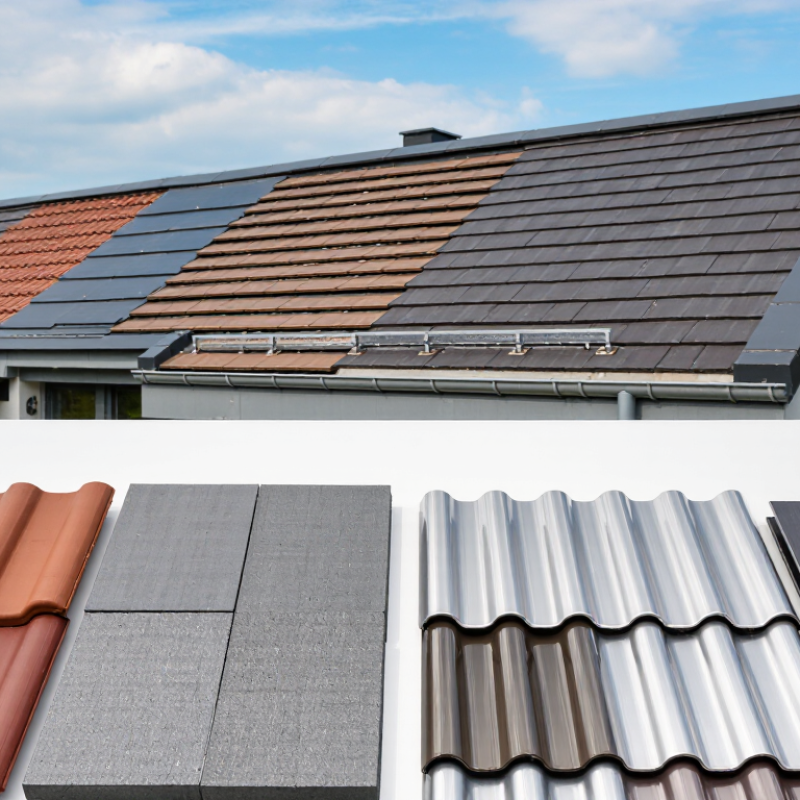
There is no universal winner for every building. A lightweight composite tile may suit a renovation, while dense clay or concrete may offer stronger thermal stability. Cost, roof structure, climate, and local building requirements must shape the decision. Product certifications should be verified through reliable testing bodies and current regional standards, not copied from unclear online listings.

Some comparisons remain imperfect. Manufacturers may use different test methods, and performance data may not reflect decades of exposure. That limitation deserves attention. The most reliable choice combines documented fire resistance with skilled installation and regular inspection. Look beyond the label. The right Fire Retardant Roof Tile should protect the structure, support safe maintenance, and remain dependable after years of sun, rain, wind, and temperature changes.
2026 Top Fire Retardant Roof Tile Which Is Best?

What Is a Fire Retardant Roof Tile?

A fire retardant roof tile is a roofing product designed to resist ignition, slow flame spread, and protect the roof structure during a fire. It does not mean the tile is completely fireproof. Heat, embers, installation quality, and nearby materials can still affect performance. A reliable tile should have documented fire-test results from an accredited laboratory. The rating usually applies to the complete roof assembly, not the tile alone. That distinction matters.

Common materials include clay, concrete, and specially engineered mineral composites. Their performance depends on density, thickness, water absorption, and surface condition. A small crack can become a weak point under intense heat. I have seen roof evaluations where excellent tiles performed poorly because gaps around vents were left unprotected. This is easy to overlook. Fire resistance also changes with underlayment, roof pitch, fasteners, and ventilation details. Product claims should therefore be checked against local building requirements and professional installation guidance.

Tips: Ask for a current fire classification and test report. Inspect edges, penetrations, and cracked tiles during routine maintenance. Do not choose by appearance alone. A heavier tile is not automatically safer, and this assumption deserves careful review. Consult a qualified roofing professional before making a 2026 replacement decision.
How Fire Ratings and Safety Standards Are Determined

2026 Top Fire Retardant Roof Tile Which Is Best?

Roof safety depends on the entire roof assembly, not tile material alone. Under ASTM E108 and UL 790, roof coverings receive Class A, B, or C ratings. Class A offers the strongest resistance to flame spread, severe fire exposure, and burning-brand penetration. Testing examines the tile, underlayment, deck, joints, and installation details together. A tile can perform well in a laboratory, yet fail when gaps, damaged underlayment, or poor vents create weak points. That distinction is often overlooked.

NFPA’s Fire Loss in the United States During 2023 reported about 1.39 million fires and approximately 3,670 civilian fire deaths. These figures explain why code compliance matters beyond marketing language. The International Building Code commonly recognizes Class A assemblies for higher-risk areas, but local authorities may set stricter requirements. Check the complete test report, not only a product brochure. I have seen specifications become unclear when “fire retardant” is treated as equal to “Class A.” It is not always the same.

Tips:

Ask for the tested assembly number, installation limits, and maintenance instructions. Confirm whether the rating includes the underlayment and roof deck. Inspect cracked tiles, open ridge caps, and leaf buildup before wildfire season. Document repairs with photographs. Small details matter. A final review by a qualified roofing professional or building official can expose assumptions that a label cannot.

Which Roof Tile Materials Offer the Best Fire Resistance?

Clay, concrete, and slate roof tiles generally offer the strongest fire resistance. They are noncombustible materials and can withstand flying embers better than many combustible coverings. Concrete tiles also provide useful thermal mass, slowing heat transfer during a short exposure. Slate performs well too, but its weight requires careful structural design.

Metal roofing can resist ignition, but the result depends on its coating, joints, ventilation, and underlayment. A thin metal sheet may heat quickly, even when it does not burn. Fire resistance is rarely determined by the surface alone. The roof deck, insulation, vents, and eaves all influence the tested rating. Details matter.

From practical inspections, clay and concrete tiles are often reliable choices for wildfire-prone areas. However, cracked tiles can expose vulnerable layers beneath them. I once assumed that a heavy tile roof was automatically safer; that assumption was too neat. Certified assembly testing and local building requirements deserve more attention. Look for documented fire classifications, secure fixing systems, and ember-resistant vents. The best material may change with climate, roof pitch, maintenance access, and structural capacity. A tile that performs well in a laboratory may perform poorly after careless installation. Shortcuts remain a concern.

2026 Top Fire Retardant Roof Tile Which Is Best? - Which Roof Tile Materials Offer the Best Fire Resistance?

Roofing Material Typical Fire Resistance ASTM E108 / UL 790 Classification Combustibility Key Fire-Resistance Advantages Important Limitations Typical Weight Best Application Overall Fire-Resistance Assessment
Clay Tile Excellent Commonly Class A when installed as part of a tested roof assembly Noncombustible Does not readily ignite, melt, or contribute fuel to a roof fire; performs well against firebrands and radiant heat. Individual tiles can crack or break during impact; underlayment, vents, eaves, and installation details still affect the complete roof rating. Approximately 600–1,100 lb per roofing square Wildfire-prone regions, hot climates, and long-life residential or commercial roofs One of the best choices
Concrete Tile Excellent Commonly Class A when included in a tested roof assembly Noncombustible Provides strong resistance to ignition and firebrand exposure; dense mineral composition limits flame spread. Heavy structural load; tiles may crack under severe impact or freeze-thaw conditions; the roof assembly must be properly detailed. Approximately 900–1,200 lb per roofing square Residential roofs requiring high fire resistance and durable mineral roofing One of the best choices
Natural Slate Excellent Often qualifies for Class A because slate is noncombustible; verify the tested assembly Noncombustible Very low ignition potential and excellent resistance to flame and embers; can provide a service life of many decades when correctly installed. High material and installation cost; significant weight; requires suitable roof structure and skilled installation. Approximately 800–1,500 lb per roofing square Premium construction, historic buildings, and high-durability roofs Premium fire resistance
Metal Roofing Very Good Often Class A with compatible underlayment and roof-deck construction Noncombustible, although coatings and attached components may vary Metal sheets do not normally ignite and can resist burning embers; lightweight compared with most mineral tile systems. Heat can transfer through the roof assembly; exposed fasteners, gaps, underlayment, and penetrations must be properly protected. Approximately 50–150 lb per roofing square Lightweight fire-resistant roofs, retrofit projects, and steep- or low-slope applications subject to code requirements Excellent when correctly assembled
Fiber-Cement Roofing Tile Very Good Many products are tested to Class A; confirm the product-specific listing Generally noncombustible or highly fire resistant, depending on formulation Mineral-based composition offers low flame spread and good resistance to ignition compared with combustible roofing products. Can be brittle during handling; performance depends on cement content, reinforcement, underlayment, and installation method. Approximately 250–500 lb per roofing square Projects seeking a tile appearance with lower weight than clay or concrete Strong option
Fiberglass Asphalt Shingles Very Good Many products achieve Class A when installed over an approved roof deck and underlayment Combustible petroleum-based surface, but fiberglass reinforcement improves fire performance Widely available Class A products; relatively low cost; fiberglass mat helps slow flame spread. Can soften or degrade under prolonged high heat; edges, valleys, vents, and installation details can become weak points. Approximately 225–350 lb per roofing square Cost-conscious residential construction where a tested Class A assembly is required Good value for fire resistance
Organic Asphalt Shingles Moderate to Good Classification varies; many older or lower-rated products may be Class C rather than Class A Combustible organic felt core Some products include fire-resistant surfacing and may achieve higher ratings when tested as a complete assembly. Organic reinforcement generally provides less fire resistance than fiberglass reinforcement; product documentation must be checked carefully. Approximately 250–400 lb per roofing square Replacement roofs where the specific product has a verified fire classification Acceptable only after verification
Wood Shingles or Shakes Limited to Good Untreated products are commonly Class C; specially treated products may achieve Class B or Class A in approved assemblies Combustible Fire-retardant treatments and approved assembly designs can improve performance; natural appearance and low weight are advantages. Untreated wood can ignite from embers and may support flame spread; treatment can weather over time and requires maintenance. Approximately 250–400 lb per roofing square Design-focused projects only where local wildfire and building codes permit the product Not the preferred choice for wildfire exposure

Important: Fire ratings apply to the complete roof assembly, not necessarily to the covering material alone. Classification can be affected by the roof deck, underlayment, ventilation, fasteners, slope, penetrations, eaves, and installation method. ASTM E108 and UL 790 Class A is generally the highest commonly used external fire-exposure classification in the United States. Always verify the current product test report and local building or wildfire-code requirements before selection.

How to Compare Durability, Cost, and Installation Requirements

2026 Top Fire Retardant Roof Tile Which Is Best?

A reliable comparison starts with durability, not appearance. Check the tile’s fire classification, testing standard, and documented resistance to heat, impact, frost, and ultraviolet exposure. A tile may resist flames but still crack under hail or repeated freeze-thaw cycles. In roof inspections, small cracks around fastener points often become expensive leaks. That detail is easy to miss.

Cost includes more than the purchase price. Add delivery, structural reinforcement, underlayment, flashing, fasteners, labor, and future repairs. Heavier tiles may require stronger roof framing, increasing installation costs. Lightweight products can reduce structural work, but their impact resistance deserves careful checking. I once focused too heavily on material price. That was a poor comparison. Long-term maintenance changed the result.

Installation requirements should match the building and local conditions. Confirm the roof pitch, tile dimensions, ventilation design, and fixing method before ordering. Coastal areas may need corrosion-resistant fasteners, while cold climates demand suitable underlayment and drainage details. Ask for test reports, installation instructions, warranty conditions, and installer qualifications. A qualified professional should inspect the existing structure before work begins. Do not assume every fire-rated tile fits every roof. That assumption can create safety and cost problems. Compare complete installed costs over twenty years, not just the first invoice.

How to Choose the Best Fire Retardant Roof Tile in 2026

How to Choose the Best Fire Retardant Roof Tile in 2026

Choosing the best fire retardant roof tile starts with tested performance, not appearance.

NFPA estimated 344,600 home structure fires in the United States during 2023. These fires caused about 2,890 civilian deaths and $12.9 billion in direct property damage. A roof may look strong, yet its complete assembly can still fail under embers.

Look for a tile system tested to UL 790 or ASTM E108. Class A performance offers the strongest external fire exposure rating in common building practice.

Confirm the result applies to the tile, underlayment, battens, and installation method. Tile alone is not enough. Ask for current laboratory reports, product thickness, and documented installation limits. The International Building Code also links roof covering requirements to local wildfire exposure and construction conditions.

Material choice matters.

Clay and concrete tiles are generally noncombustible, but cracks, gaps, and poor edge detailing can create weak points. Check the roof after severe weather. Small damage is easy to miss.

In my experience, installers often focus on tile placement and overlook vents, valleys, and eaves. That is a mistake.

The National Interagency Fire Center reports that wildfire activity remains a serious planning concern across many regions, although annual conditions vary. Local wind, ember exposure, roof pitch, and maintenance should influence the final decision.

A cheaper tile with verified testing may outperform a premium-looking tile without complete assembly evidence. Always verify the report date. Older documents may not reflect current production or installation details.