Why Choose Long Life Roof Tiles for Global Buyers?
For global buyers, roof tiles are more than a finishing material. They protect homes, warehouses, schools, and historic buildings from rain, heat, wind, and sudden temperature changes. Long Life Roof Tiles attract attention because they can reduce replacement frequency and support more predictable maintenance planning. Yet durability is never guaranteed by a product name alone.
Mark Graham, former Vice President of Technical Services at the National Roofing Contractors Association, has emphasized, “A roof is only as good as its installation and maintenance.” This practical view matters across international markets. A tile may perform well in a laboratory, but local weather, roof pitch, underlayment, fixing methods, and installer experience can change the result. Buyers should examine technical data, water absorption, freeze-thaw resistance, fire performance, color stability, and documented service history. Samples help too. A small test roof can reveal cracking, uneven edges, or installation difficulties before a large shipment arrives.
No tile is invincible. Even Long Life Roof Tiles need suitable design, careful handling, and periodic inspection. Salt air may affect coastal projects. Heavy hail may challenge thin profiles. Poor ventilation can shorten roof life, even with premium materials. These details are easy to overlook. They should not be.
This guide explores why Long Life Roof Tiles are considered by global buyers seeking dependable lifecycle value. It also examines their limitations, certification needs, supply considerations, and installation realities. The strongest choice is not always the most expensive tile. It is the tile that matches the building, climate, budget, and maintenance capability.
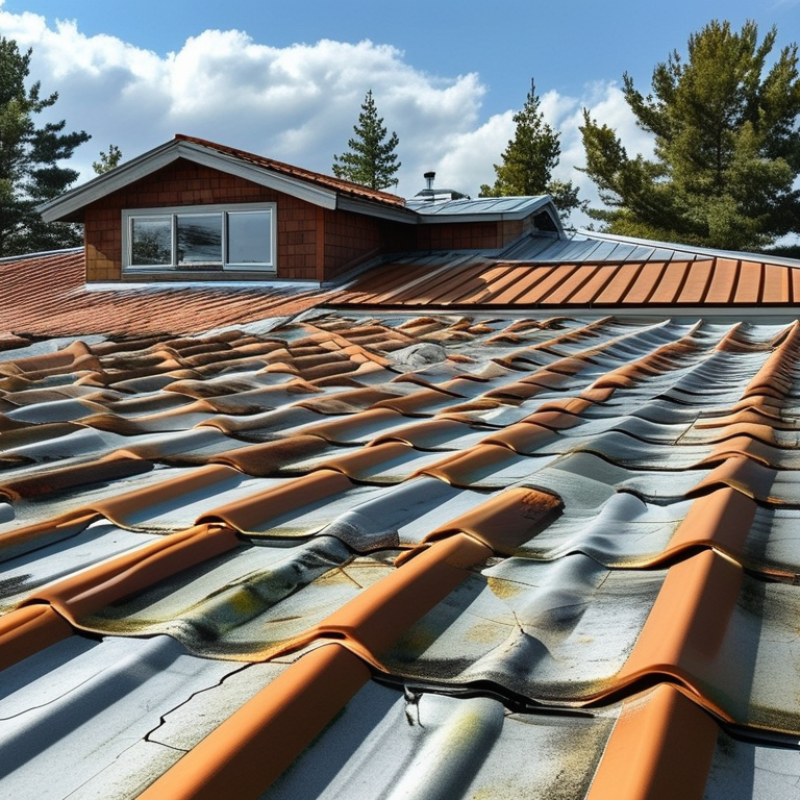
Roof-Tile Longevity: 50+ Years for Quality Clay and Concrete Products
Why Choose Long Life Roof Tiles for Global Buyers?
Roof-Tile Longevity: 50+ Years for Quality Clay and Concrete Products
Quality clay and concrete roof tiles can serve for 50+ years when properly selected and installed. Their dense structure helps resist rain, sunlight, frost, and daily temperature changes. In coastal areas, salt exposure still requires careful material evaluation. Experienced buyers should review water absorption, breaking strength, frost resistance, and dimensional consistency before ordering. A long service life begins with verified production data, not attractive surface color alone.
Tips: Match the tile profile to local weather. Use tested underlayment and corrosion-resistant fixings. Check roof ventilation before installation. Keep spare tiles for future repairs. Small mistakes can shorten service life.
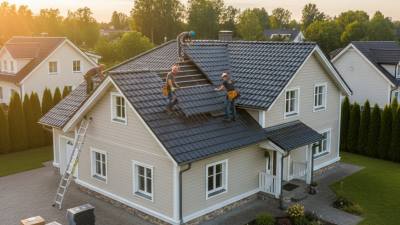
Installation quality often decides whether a tile reaches its expected lifespan. Poorly aligned battens can create uneven loads and cracked edges. Weak roof structures may also cause movement during storms. Regular inspections help identify loose tiles, blocked drainage, and damaged ridge fittings. Cleaning should be gentle, because aggressive tools may harm the surface. This is where practical experience matters.
The 50-year figure is a realistic reference, not an automatic promise. Climate, roof pitch, maintenance, and workmanship all influence performance. Some projects may last longer; others may need earlier repairs. Buyers should ask for test reports, installation guidance, and clear warranty conditions. That extra review takes time, but it can prevent expensive replacement work later.
Why Choose Long-Life Roof Tiles?
Typical service-life ranges for common roofing materials, measured in years
Quality clay and concrete roof tiles commonly provide a service life of 50 years or more.
Their long-term performance depends on installation quality, climate, ventilation, maintenance,
and resistance to moisture, frost, and thermal movement. The figures shown are typical industry
ranges rather than product guarantees.
Material Science Behind Durability: Clay, Concrete, and Polymer-Modified Tiles
Clay, concrete, and polymer-modified roof tiles endure for different scientific reasons. Clay is fired at high temperatures, creating a dense ceramic structure with strong color stability. Its low moisture absorption can reduce freeze-thaw damage, but poorly fired clay may crack under sudden temperature changes. Small details matter.
Concrete tiles combine cement, graded aggregates, water, and mineral pigments. As cement hydrates, it forms a hardened matrix that resists impact and heavy rain. Their performance depends on curing quality, surface density, and accurate water control. In field inspections, chipped edges often reveal handling problems rather than material failure. Concrete is heavy, though, so roof framing must be checked before installation.
Polymer-modified tiles add selected polymers to improve flexibility, adhesion, and resistance to repeated wetting and drying. These additives can help limit microcracks and improve performance in coastal or highly variable climates. Yet polymer content alone does not guarantee durability. Ultraviolet exposure, thermal movement, roof pitch, and ventilation still matter. Laboratory testing should include water absorption, freeze-thaw cycles, flexural strength, and accelerated weathering. Results should be read alongside local climate data, not treated as universal promises. A tile that performs well in a dry inland region may age differently beside salty sea air. Product specifications can also omit installation weaknesses. Experienced buyers should examine test methods, maintenance guidance, and replacement access before choosing long-life roofing materials.
Weather Resistance Data: Wind, Freeze–Thaw, UV, and Heavy-Rain Performance
Why Choose Long Life Roof Tiles for Global Buyers?
Weather Resistance Data: Wind, Freeze–Thaw, UV, and Heavy-Rain Performance
Long-life roof tiles earn attention through measured weather performance, not appearance alone. In coastal regions, wind testing should report uplift resistance, fixing methods, and failure points. A tile may withstand strong gusts in a laboratory, yet poor installation can expose the roof edge. Check test conditions carefully. They matter.
Freeze–thaw data is essential for northern markets. Reliable assessments often record performance after repeated water absorption and freezing cycles. Look for surface cracking, edge damage, and strength loss. Passing one test does not guarantee every climate. Drainage, tile density, and local temperature changes also influence service life. Real roofs can be less forgiving.
Ultraviolet exposure gradually fades surfaces and weakens some finishes. Good technical files should identify exposure hours, color change, and coating condition. Heavy-rain testing should examine leakage risk, water flow, and overlapping joints. A roof that performs well during steady rain may struggle under wind-driven downpours. This is an overlooked detail. Buyers should compare complete reports, not isolated claims. Installation records, maintenance guidance, and regional field experience add useful evidence. Still, no tile is indestructible. Even durable materials require correct spacing, secure fasteners, clean gutters, and periodic inspection. Lab data gives confidence, but site judgment remains necessary.
Lifecycle Economics: Lower Replacement Frequency and Long-Term Roof Value
Why Choose Long Life Roof Tiles for Global Buyers?
Roofing cost is not only the purchase price. It includes labor, transport, disposal, scaffolding, and disruption during replacement. The National Association of Home Builders’ Life Expectancy of Home Components report lists concrete and clay tiles among the longest-lasting residential roofing materials. Depending on installation and exposure, service life can reach 50 years or more. That interval can reduce replacement events across a building’s ownership period.
The economics become clearer over a 50-year assessment period. The European Commission’s Level(s) framework uses 50 years as a reference study period for building life-cycle assessments. A tile roof needing one major replacement may create fewer labor and waste costs than a shorter-lived alternative requiring several renewals. RICS Whole Life Carbon Assessment guidance also stresses realistic service-life assumptions, not optimistic marketing claims. That distinction matters.
Long life is not automatic. Roof pitch, salt air, freeze-thaw cycles, underlayment quality, and installation practice can change performance. A buyer should request tested wind, water, and frost-resistance data for the target climate. Structural capacity also needs checking because tiles are heavier than many sheet materials. Real roofs are messier. Maintenance still matters. Broken tiles, blocked drainage, and poor flashing can shorten the expected service life, even when the tile itself remains durable. The estimate is useful, but it should be reviewed against local labor rates, climate records, and the building’s planned ownership period.
Why Choose Long Life Roof Tiles for Global Buyers? – Lifecycle Economics: Lower Replacement Frequency and Long-Term Roof Value
Illustrative lifecycle comparison for a 100 m² roof over a 60-year evaluation period. Costs are shown in USD and represent typical mid-market installed ranges rather than brand-specific quotations.
Calculation basis: Lifecycle cost includes the initial installed cost, expected replacement costs during the 60-year period, and routine maintenance. It excludes financing, structural upgrades, storm damage, local taxes, inflation, energy savings, and major roof-deck repairs. Actual service life and cost depend on climate, installation quality, ventilation, roof pitch, local labor rates, and maintenance practices.