2026 Top Sheet Roof Types Which Is Best for Global Buyers?
Choosing the right Sheet Roof in 2026 is not simply a question of price or appearance. Global buyers face different climates, building traditions, transport conditions, and maintenance expectations. A roof that performs well in a dry inland warehouse may struggle beside salty coastal air. Snow, tropical rain, strong sunlight, and daily temperature changes all influence the final choice.
Mark Graham, a respected roofing technical educator and former NRCA technical leader, has often emphasized a practical principle: “A roof is a system, not merely a covering.” That reminder matters when comparing corrugated steel, standing seam, aluminum, zinc, and coated metal sheets. The panel profile is only one part of the decision. Buyers must also examine coating quality, substrate thickness, fasteners, flashing, drainage, insulation, and installation accuracy. Small mistakes around a screw or roof edge can become visible leaks after one severe storm.
There is no universal winner. That assumption fails.
For a coastal project, aluminum or a carefully specified corrosion-resistant steel system may offer stronger long-term value. Standing seam sheets can suit modern commercial buildings where concealed fasteners and thermal movement matter. Corrugated profiles remain practical for agricultural buildings, workshops, and cost-sensitive projects. Yet budget pressure can hide future expenses. A cheaper sheet may demand earlier repainting, replacement, or repair.
This guide compares leading Sheet Roof types for global buyers. It considers durability, climate suitability, maintenance, installation complexity, appearance, and total ownership cost. Recommendations remain conditional, because the best roof depends on the building, location, and installer. That is the honest part.
What Are Sheet Roofs and How Are They Classified?
Sheet roofs are roofing panels manufactured in flat or profiled forms. They cover buildings with overlapping sheets, fasteners, flashings, and sealing elements. Unlike small individual tiles, each panel can span a wider area. This often reduces installation time and visible joints.
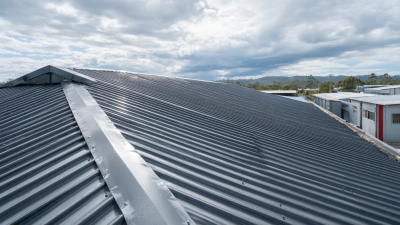
The main classification uses four practical factors: material, profile, coating, and application. Material categories include galvanized steel, aluminum, zinc, fiber-cement, and insulated sandwich panels. Profiles may be corrugated, trapezoidal, standing seam, or flat. Their ribs influence drainage, stiffness, and resistance to wind uplift. Coatings can provide protection against moisture, ultraviolet exposure, salt air, or industrial pollution.
Climate changes the decision.
A coastal warehouse may need corrosion-resistant material and carefully sealed fasteners. A cold storage building may require insulated panels to limit heat transfer.
Low-slope roofs need reliable joints because rainwater moves more slowly. Steep profiles can shed heavy rain quickly, but they may create more wind exposure.
Check local building codes.
Thickness matters too. Thicker sheets usually resist dents better, yet they add weight and cost. On actual projects, buyers sometimes focus only on the panel price. That can be misleading. Transport, cutting waste, accessories, labor, and maintenance may change the final budget. Classification helps compare products, but it is not perfect. A suitable roof depends on climate, structure, usage, and installation quality.
Which Materials and Profiles Are Available for Sheet Roofing?
Sheet roofing materials vary by climate, budget, and building use. Zinc-coated steel offers strength and broad availability. It suits warehouses, farm buildings, and residential projects. Aluminum is lighter and resists coastal corrosion. However, it can dent more easily during transport. Stainless steel performs well in severe environments, but its cost is higher. Copper provides a distinctive appearance and long service life. It also needs careful detailing around fasteners and drainage points.
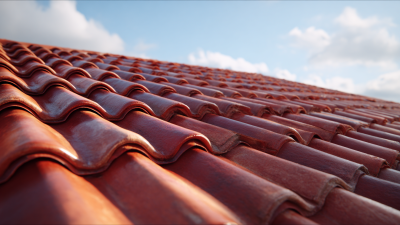
Profiles affect drainage, span, appearance, and installation speed. Corrugated sheets are economical and handle moderate rain efficiently. Trapezoidal profiles usually provide greater stiffness for wider spans. Standing seam systems reduce exposed fasteners and support clean architectural designs. Tile profiles can match traditional buildings, though they may require more supporting structure. In field inspections, poor overlap details cause more leaks than material choice. This is easy to underestimate.
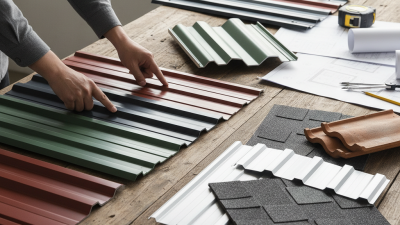
Tips: Check local wind, snow, salt, and fire requirements before ordering. Compare sheet thickness, coating mass, fastener compatibility, and warranty terms. Ask for technical data, not only attractive samples. For hot regions, reflective finishes can reduce roof temperatures, but ventilation still matters. Allow for thermal movement, especially with long aluminum or steel sheets. A small measuring error can create expensive cutting waste. It is tempting to choose the cheapest profile, yet replacement work may cost far more.
2026 Top Sheet Roof Types: Which Is Best for Global Buyers?
The chart compares indicative service-life midpoints for widely used sheet-roofing materials. Actual performance depends on coating quality, thickness, installation, ventilation, maintenance, humidity, salt exposure, snow, and local building standards. Common profiles include corrugated, trapezoidal, standing-seam, and tile-look sheets.
How Do Climate, Building Use, and Installation Affect Roof Choice?
Climate should guide sheet roof selection before appearance or price. In hot regions, light-colored metal sheets with reflective coatings can reduce heat entering a building. In humid areas, ventilation and anti-condensation layers matter greatly. Coastal air requires careful corrosion protection and compatible fasteners. Snowy locations need stronger profiles, tighter supports, and verified load calculations. High-wind sites also demand tested fastening patterns, not rough estimates.
Building use changes the best option. A warehouse may prioritize long spans, daylight panels, and quick installation. A home often needs better insulation, rain noise control, and comfortable indoor temperatures. Agricultural buildings face moisture, ammonia, and condensation from animals. Retail or office spaces may require concealed drainage and a cleaner appearance. Small details matter. A warm roof can still fail when humid air reaches a cold sheet underside.
Installation quality can decide whether a good roof performs well. The roof pitch must move water efficiently, while overlaps need correct direction and sealing. Cut edges should receive suitable protection. Installers must allow for thermal movement, especially on long sheets. I have seen leaks caused by over-tightened screws, blocked gutters, and poorly placed penetrations. Those mistakes are easy to underestimate. A lower quotation may hide weaker supports or fewer inspections. Buyers should request structural calculations, installation records, local code compliance, and references for similar climates. No choice is perfect; maintenance access and future repairs deserve equal attention.
What Are the Costs, Lifespans, and Maintenance Needs of Each Type?
For global buyers, sheet roofing costs vary by material, labor, insulation, and local weather. Galvanized steel usually costs about $25–$55 per square meter installed. It can last 30–50 years with proper coating and drainage. Inspect cut edges, fasteners, and scratches each year. Rust often begins in overlooked areas.
Aluminum
generally costs $40–$85 per square meter. It resists coastal corrosion and may serve for 40–60 years. However, soft panels can dent under hail or careless installation.
Zinc
costs roughly $70–$140 per square meter. Its service life can exceed 60 years, but poor ventilation may cause staining and premature problems.
Copper
is the premium option, commonly reaching $100–$220 per square meter. It can last 70 years or longer, yet its price is difficult to justify for modest buildings.
Polycarbonate
sheets cost about $20–$60 per square meter and suit patios, workshops, and daylight areas. Expect 10–25 years, depending on ultraviolet protection and heat exposure. Clean them gently; harsh tools can damage the surface.
These figures are not promises. Shipping distance, roof pitch, thickness, and installer skill can change the final price sharply. A low quotation may exclude flashings, insulation, or removal of the old roof. Ask for a written material specification. Also check sample panels after intense sun and heavy rain. That small test can expose weaknesses before a full purchase.